Here's what nobody tells you about pleasure and your cycle
Your favorite vibrator doesn't feel the same all month. That's not a bug. It's biology.
Hormone fluctuations reshape your nervous system week by week. Your sensitivity to touch changes. The time it takes to become aroused shifts. Orgasm intensity peaks and valleys. And if you're using a lemon vibrator or any clitoral vibrator at pattern 5 during one week and it feels perfect, then the same pattern feels aggressive the next week, you're not losing your mind. You're cycling through predictable hormonal phases where your body's response to stimulation genuinely changes.
Most people either ignore this or blame themselves ("Something's wrong with me") when the real answer is simpler: matching your vibrator intensity to your cycle phase transforms pleasure from frustrating to reliable.
The four phases and how your sensitivity shifts
Menstruation (days 1-5ish)
Estrogen and progesterone are bottoming out. Your pelvic floor is already contracting to shed the uterine lining, so it's already "busy." Sensitivity is lower. Arousal takes longer. Pain threshold is also lower, which means aggressive vibration can feel irritating instead of good.
This is when I recommend lower intensity patterns (1-3 on your Lem vibrator) and longer warm-up time. Some people find this phase completely uninteresting for partnered sex or solo play, which is fine. Others find that gentle stimulation helps with cramps. The clue is listening to your own body, not following a script.
Follicular phase (days 6-13ish)
Estrogen is climbing. Your brain is flooded with feel-good neurotransmitters. This is when sensitivity peaks and arousal becomes almost effortless. Your clitoris literally swells slightly as blood flow increases. Pattern 5 on your lemon clitoral vibrator might feel perfect now, whereas it felt like too much during menstruation.
This is also when orgasms tend to come faster and feel more intense. Your pelvic floor is relaxed and responsive. If you've struggled to orgasm at other times, this is your window. Lean into it.
Ovulation (days 14-16ish)
Luteinizing hormone (LH) spikes, testosterone peaks (yes, people with vulvas produce it), and arousal hits overdrive. This is arguably the "horniest" phase. Sensitivity is high. Orgasm intensity is often peak. Some people find that multiple orgasms come more easily during this window.
This is when using your lemon vibrator at higher intensities often feels perfect. Your body is primed for it. The stimulation that felt aggressive two weeks ago now feels just right.
Luteal phase (days 17-28ish)
Progesterone rises and estrogen dips again, but the pattern is different than menstruation. Sensitivity gradually declines. Arousal takes longer again. Your nervous system is more easily overwhelmed. Some people report that direct clitoral stimulation starts to feel too intense halfway through this phase. Others notice they need longer warm-up or more indirect stimulation (vibrating near the clitoris instead of directly on it) to feel good.
Several days before your period, sensitivity dips lowest. This is when the lemon sucker or indirect vibration often feels more pleasant than direct clitoral vibration.
How to adjust your lemon vibrator across the cycle
Think of this less as "rules" and more as a starting point. Your cycle is yours, and bodies vary wildly.
During menstruation and early luteal. Start with patterns 1-3. If that feels dull, bump to 4. Avoid jumping straight to 6+. Give yourself longer warm-up time, maybe 10-20 minutes of lower intensity before increasing. Use water-based lubricant even if you normally don't, because estrogen is low and tissue lubrication naturally decreases.
During follicular and ovulation. Patterns 4-6 often feel amazing. Arousal arrives faster. You might surprise yourself with how quickly sensation builds. This is when many people discover they like higher intensities they thought they didn't like before.
Late luteal (days 24-28). Back off intensity again. Switch to patterns 2-4. If direct stimulation starts feeling scratchy or overwhelming, try angling your lemon clitoral vibrator differently so it's stimulating the clitoral hood or surrounding tissue instead of the clitoris head-on. The sensation is still there, but gentler.
Why tracking matters (but not obsessively)
You don't need an app or a calendar. Just noticing the pattern over two or three cycles is enough. Most people realize pretty quickly: "Oh, week 2 of my cycle is when I actually want to use this, and week 4 I need something gentler." That's the insight that changes everything.
The benefit isn't just comfort. It's reliability. If you know your clitoral vibrator is going to feel too intense during the luteal phase, you can either adjust intensity or adjust your expectations instead of thinking something is broken. That mental shift alone reduces frustration.
What happens if you're on hormonal birth control
Hormonal birth control flattens the peaks and valleys. You're getting a steady dose of hormones instead of a monthly surge and drop. Some people on the pill, patch, or ring report that sensitivity feels more consistent month-to-month, which can be wonderful. Others find that their baseline sensitivity is lower, which changes how they feel about their lemon vibrator.
If you're on hormonal birth control and your pleasure feels flat or muted, it's worth a conversation with your doctor about whether a different formulation might work better. You're not broken. Your hormones are just different, and different can mean different sexual response.
Cycle syncing sex actually works
This isn't new-age thinking. It's neuroscience. Your brain chemistry, blood flow, and nervous system sensitivity genuinely change week to week. When you match stimulation intensity to those changes, pleasure becomes more reliable. Your vibrator feels better because it's actually better calibrated to what your body is doing.
The bonus: this knowledge works whether you're using your lemon vibrator solo or with a partner. It explains why some sessions feel effortless and others feel like you're working harder for the same result. You're not. Your body is different.
The real point
Your cycle isn't a limitation on pleasure. It's information. Once you know how your sensitivity, arousal, and orgasm intensity shift month to month, you can design sessions that actually fit your body instead of fighting it.
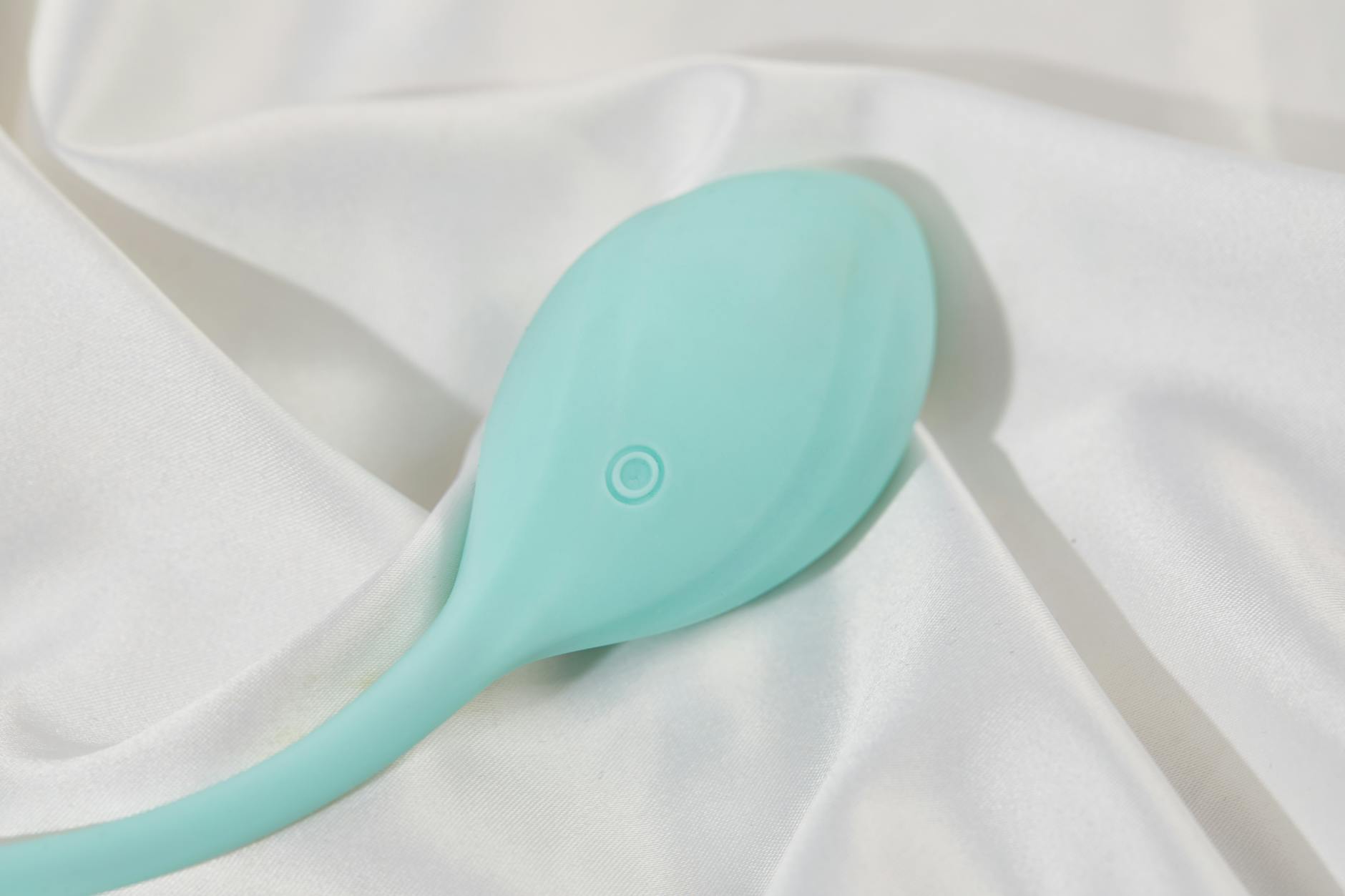
Photo by IFONNX Toys on Pexels
Common questions about vibrators and your cycle
Can cycle tracking improve orgasm during the luteal phase?
Absolutely. During the luteal phase, your nervous system is more sensitive to overwhelming input. Reducing vibrator intensity by 1-2 levels and extending warm-up time often makes orgasm more achievable, not less. The goal during this phase isn't necessarily peak intensity. It's sustainable pleasure. Many people find that lower intensity, longer duration stimulation actually produces better orgasms during the luteal phase because their body isn't fighting the sensation.
Does the lemon clitoral vibrator work differently across my cycle?
Yes. The Lem's suction stimulation works by creating gentle pressure waves rather than direct vibration, which means it's naturally less intense than direct-contact vibrators. During high-sensitivity phases (follicular and ovulation), you might use higher suction levels. During low-sensitivity phases (menstruation and late luteal), you might stick to lower settings or use it for shorter sessions. The vibrator is the same. Your tolerance and preference shift.
What if my cycle is irregular?
Irregular cycles make pattern recognition harder, but not impossible. Instead of tracking by day, track by sensation. Notice when you naturally gravitate toward higher intensity versus lower. Notice when arousal feels effortless versus like work. That internal feedback is just as valuable as a calendar, and it's probably more accurate for your body anyway.
Can hormonal birth control change how my vibrator feels?
Yes. Hormonal birth control suppresses the hormone fluctuations that create the monthly sensitivity shifts. Some people feel less variation, which they prefer. Others feel their baseline sensitivity drops, which can be frustrating if they liked high-intensity stimulation before starting birth control. If your vibrator feels boring after starting hormonal contraception, talk to your doctor about whether a different formulation might feel better. This is a legitimate reason to switch methods.
Is it normal to need different settings at different times of my cycle?
Completely normal. This is expected, not a sign something is wrong. Your nervous system sensitivity genuinely changes. If you needed the same stimulation intensity all month, that would be the unusual thing. Your lemon vibrator feeling different across your cycle is proof it's responding to your actual physiology.
What's the best time in my cycle to introduce a new vibrator?
Follicular phase or ovulation. Sensitivity is high, arousal is easy, and you're more likely to have a positive experience that builds confidence. Once you know you like a vibrator during that phase, you can adapt your use during other phases. Starting during low-sensitivity phases (menstruation or late luteal) can create a false negative impression. The vibrator might be perfect for you. Your timing is just off.
What comes next
Once you've noticed your cycle's effect on your pleasure, you can start making intentional choices. You can learn how to adjust settings on your lemon vibrator for different phases. You can explore what changes when you transition to partnered use across your cycle. And if you notice that sensitivity drops significantly after hormonal changes, you'll have the framework to understand why and what to do about it.
Your pleasure matters. And it deserves to be matched with the right intensity at the right time. That's not complicated. It's just paying attention.