The weird liminal space nobody talks about
Stress doesn't just kill your sex drive. It rewires how your body receives pleasure. When you're in survival mode, everything shuts down. The nervous system prioritizes threat detection over sensation. Then one day the pressure lifts, work settles, or the deadline passes, and you think: okay, now we can finally reconnect. Except your body doesn't flip back on like a light switch.
That gap between when stress leaves and when desire returns is real. It's not broken. It's normal.
What happens to pleasure under stress
Here's the actual physiology. Chronic stress keeps your nervous system in sympathetic dominance. Your blood is redirected to your muscles (fight or flight), away from your genitals. Cortisol spikes suppress dopamine and testosterone. Your pelvic floor tenses. Arousal takes longer. Sensation feels muted or distant.
When the stress finally lifts, your nervous system doesn't automatically reset to baseline. It takes time. Some people recover sexual desire within weeks. Others take months. Neither timeline is wrong.

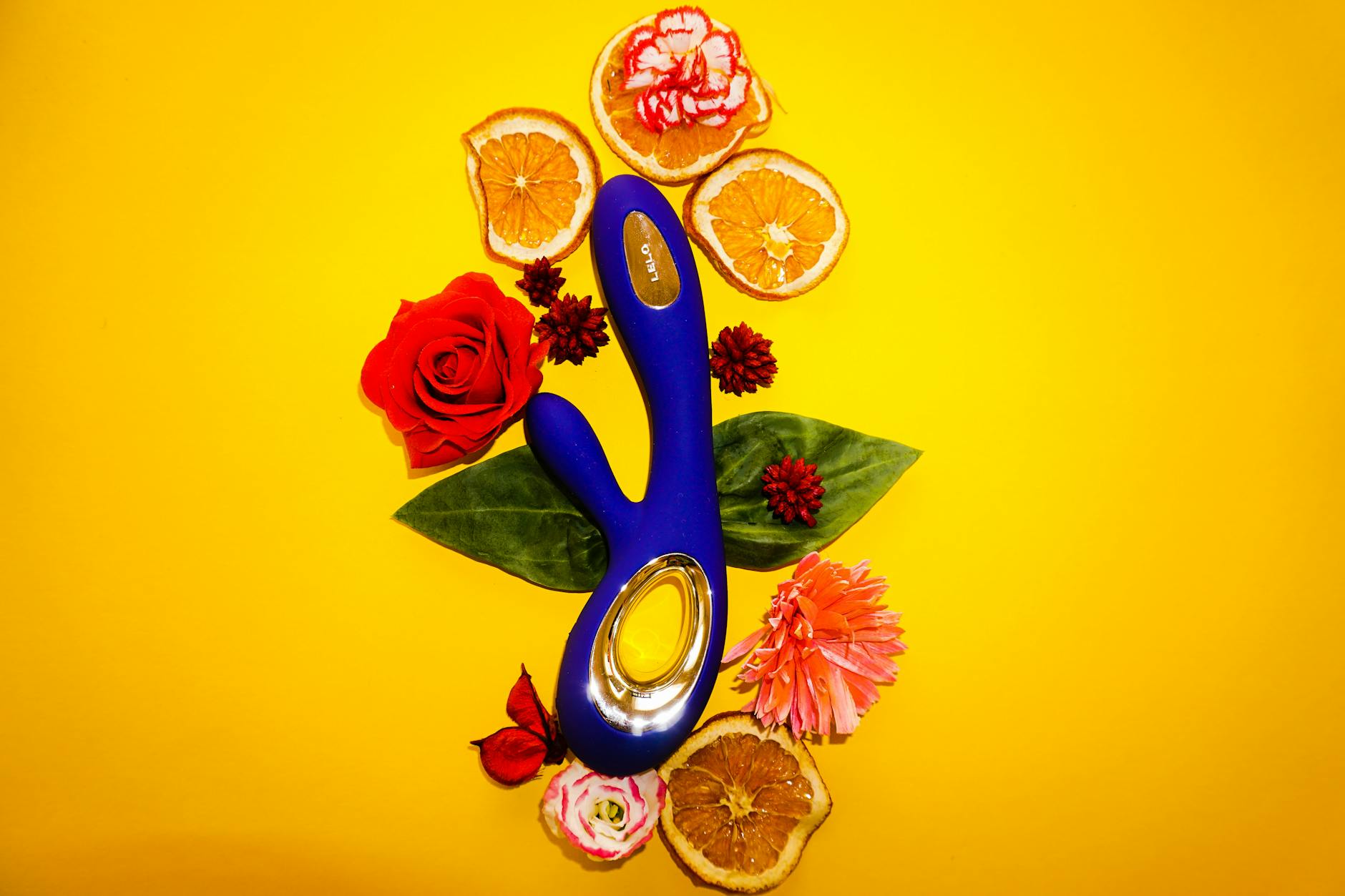
Photo by FounderTips on Pexels
Why lemon vibrators work better than waiting it out
Waiting for desire to return on its own is patience. Using a lemon clitoral vibrator during that window is active nervous system rewiring.
Here's why the approach matters. Clitoral suction technology (the design behind a lemon vibrator like the Lem) works differently than traditional vibratory stimulation. Instead of rapid vibration, it creates a gentle pulsing suction that mirrors natural stimulation. For someone whose nervous system is still re-sensitizing after stress, this gentler approach is less overwhelming while still delivering measurable sensation.
The suction pattern also triggers blood flow to the tissue more gradually. You're not shocking the system back to life. You're coaxing it awake.
The three phases of rebuilding
Phase 1: Nervous system orientation (weeks 1-2)
Start solo, with time, with zero pressure to feel anything specific. Your goal here is not orgasm. It's to reintroduce sensation safely. Spend 15-20 minutes just exploring the Lem on the lowest setting. Settings 1 and 2 on most lemon vibrators are genuinely subtle. You're teaching your nervous system it's safe to feel again.
Why solo first? When you're rebuilding after stress, adding a partner's expectations complicates the nervous system's ability to settle. Solo play removes that layer. It's not about rejecting your partner. It's about reclaiming your own sensory map first.
Phase 2: Graduated intensity (weeks 2-4)
Once the lowest settings feel known to your body, begin experimenting with settings 3 and 4. Pay attention to what shifts. Does a particular pattern feel good? Does your attention drift, or do you find yourself more present? Spend time here. This is where your brain starts remembering that pleasure is accessible again.
Most people in this phase aren't reaching orgasm yet, and that's fine. You're rebuilding tolerance for sensation, not chasing a outcome.
Phase 3: Reintegration with a partner (weeks 4-6)
Once you've spent a few weeks solo and your nervous system has started to settle, you can introduce a lemon vibrator into partnered sex. But do it deliberately. Tell your partner: I'm still re-learning my own body. This isn't about you not being enough. This is about me knowing what I need right now.
Start the same way. Lowest settings. Let your partner watch or participate without adding performance pressure. Some couples find that using a lemon vibrator together actually deepens connection because it removes the stress of trying to do it the old way when the old way isn't available yet.
Common friction points and how to move through them
"I feel nothing on the lowest setting."
This is normal after extended stress. Your nervous system is still dampened. Resist the urge to jump to settings 5 and 6. Instead, give it another week on settings 1-2. Your sensitivity will return. Rushing intensity can re-traumatize a nervous system that's just starting to feel safe. Patience here is the intervention.
"I feel it, but it's uncomfortable or itchy."
This usually means either the contact is too direct or your skin needs hydration. Try using a thin lubricant even if you don't feel like you need one. Stress depletes skin moisture. Water-based lube helps the tissue tolerate sensation better. And angle the lemon vibrator slightly so it's not applying direct pressure to the same spot continuously.
"Using it solo feels awkward or selfish."
Unpack this with your partner or a therapist if you have one. Stress often comes bundled with guilt and a sense of not being allowed to take up space. Reclaiming solo pleasure is part of nervous system reset. It's the opposite of selfish. It's how you rebuild your own sexual citizenship.
"My partner feels threatened or left out."
Have this conversation outside the bedroom. Tell them: I'm rebuilding a relationship with my own body right now. This isn't about replacing you. This is about arriving to sex as a full person instead of a depleted one. Many couples actually find that when one partner uses a lemon clitoral vibrator solo first, they eventually bring more energy and presence back to partnered sex.
The role of breath and presence
Stress lives in your body as held breath and scattered attention. When you're using a lemon vibrator to rebuild pleasure, sync your breathing with the sensation. As you turn up intensity gradually, let your breath deepen with it. This sounds small. It's not.
Deep breathing signals safety to your nervous system. It tells the stress response: we're not in danger. We can relax. This is the actual rewiring happening. The vibrator is just the tool. Your breath is the accelerant.
When to bring a partner in
Not every couple is ready to use a lemon vibrator together. Some partners feel insecure. Some feel confused about how to participate. This is valid, and it doesn't mean you should abandon your own pleasure to soothe their discomfort.
If your partner is resistant, you have options. One: give them time. Explain the nervous system piece. How to Use a Lemon Vibrator When Your Partner Has Lower Desire covers this more directly. Two: use it solo, without apology. Your body's pleasure matters independently of their comfort level. Three: if the resistance is really entrenched, that might be a sign to work with a couples counselor. Sex is rarely the actual issue. It's usually about control, safety, or unresolved conflict.
The Lem vibrator and other lemon clitoral vibrators work precisely because they put the power back in your hands. Literally.
Managing expectations as you rebuild
Here's what probably won't happen: you won't suddenly feel like you did before stress hit. Your baseline has shifted. You've learned something about your own fragility and resilience. That changes how you experience pleasure. What you'll likely find instead is a more intentional, less automatic version of desire. You'll know what you actually want instead of what you think you should want.
That's an upgrade, even though it doesn't feel like it while you're in the mess of rebuilding.
Give yourself permission to move slowly. Most people are culturally trained to believe sex should be spontaneous and effortless. After stress, it won't be. It'll be deliberate and focused and sometimes awkward. That's the work of reclamation. And it's worth it.
Frequently asked questions
How long does it actually take for sex drive to return after stress?
It varies wildly. Some people rebound within a few weeks. Others take 3-6 months. Factors include the intensity and duration of the stress, whether the stressor is still active, your overall health, medication, sleep, and how much physical activity you're getting. If six months have passed and you're still experiencing zero desire, that's worth mentioning to a doctor. It might not be stress anymore. It might be hormonal or depression-related, both of which need professional attention.
Is using a lemon vibrator when I don't feel like having sex a sign I'm forcing myself?
No. There's a difference between forcing yourself into partnered sex (which isn't healthy) and using a tool to explore your own sensations solo in a low-pressure context. The Lem vibrator and similar lemon clitoral vibrators aren't performance devices. They're exploration tools. You're not trying to achieve anything. You're reacquainting yourself with what sensation feels like. That's consent with yourself.
Can using a lemon vibrator alone make it harder to orgasm with a partner later?
Not if you're using it correctly. The lemon suction design is actually closer to natural stimulation than traditional vibrators are. If anything, relearning your own pleasure patterns solo makes partnered sex easier because you know what actually works for your body. You can communicate it more clearly. The problem happens when people use extreme intensity and then expect partners to replicate it. That's about managing intensity, not about the tool itself.
Should I use a lemon vibrator if I'm still with the person who caused the stress?
Yes, but with a caveat. If the stress came from the relationship itself or if your partner caused the stress, using a vibrator might feel like a band-aid. You might need couples therapy or individual therapy first. But if the stress came from work or illness or external circumstances, a lemon clitoral vibrator can actually help you reconnect within the relationship because it reminds you that pleasure is still possible even when circumstances were hard.
What if I still feel nothing after using a lemon vibrator for a month?
That's a sign to loop in a professional. The stress response might be deeper than typical. You might be experiencing depression. You might have hormonal changes happening independently of stress. A doctor can run blood work. A therapist can help you understand whether the numbness is protective (your nervous system is still defending) or pathological. Don't just keep waiting.
Can a partner use a lemon vibrator on me if I'm not ready yet?
Only if you genuinely want that. The safest approach for rebuilding after stress is solo first. But some couples feel closer when they explore together. If you go that route, set clear boundaries. Tell them what settings you want to try. Tell them you might need them to pause. Tell them you'll communicate clearly. And mean it. The safety of knowing your partner will listen to you is huge for nervous system recovery.
The real work starts after pleasure returns
Once your desire has come back, the next phase is understanding what changed. Did you learn something about what you actually want versus what you thought you were supposed to want? Did the stress exposure reveal anything about your relationship or your own needs? These questions aren't what a lemon vibrator answers. But using one gives you the space to ask them.
Your pleasure matters. It's not a luxury. It's not selfish. It's a signpost that your nervous system trusts you and the world enough to feel good again. That's not small.
If you're navigating this alone or with a partner who doesn't understand, get in touch. We're here to talk through it.