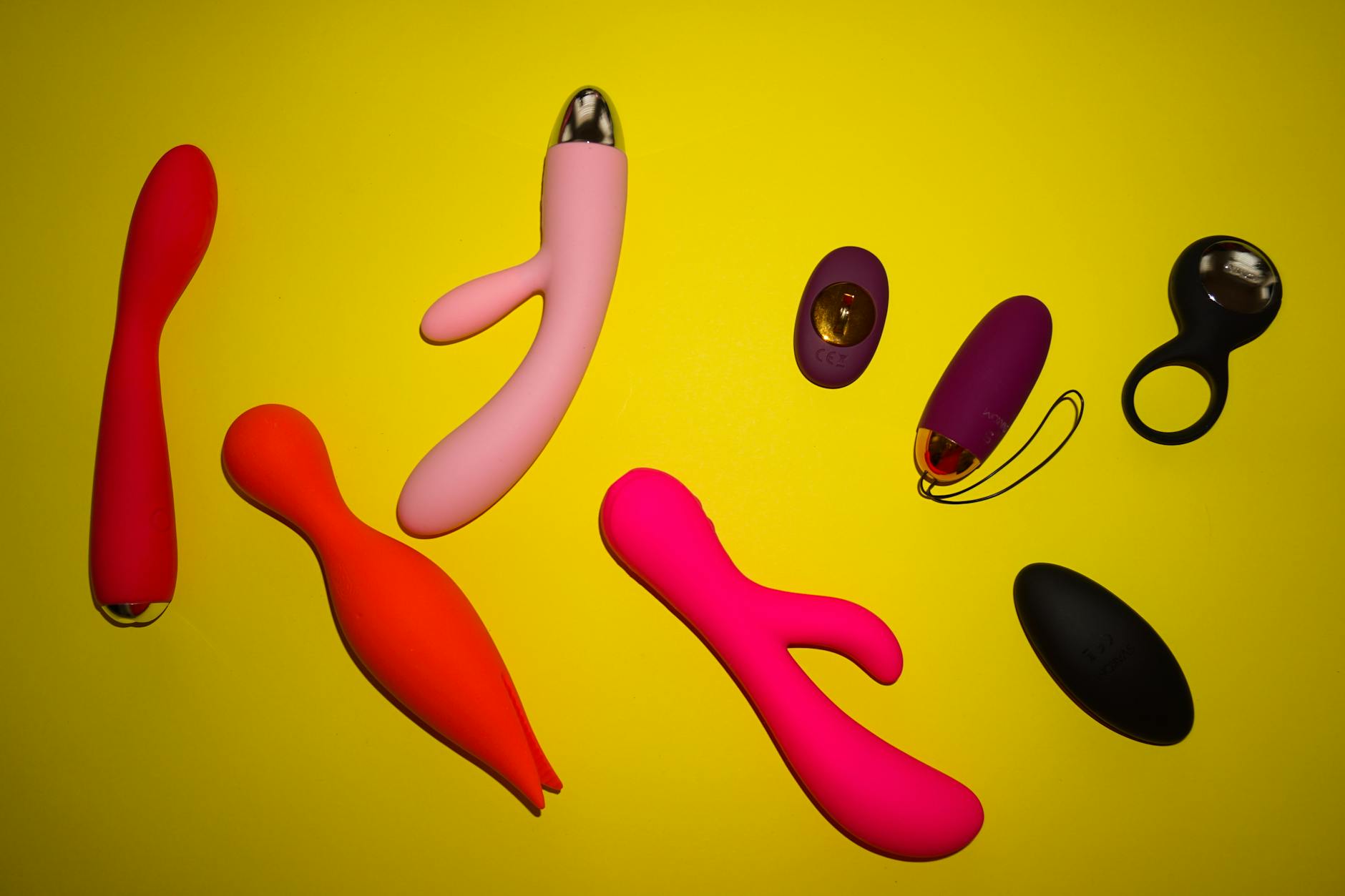
The thing nobody tells you about desire mismatch
Let's be real. When one partner wants sex more often than the other, it stops being about sex pretty fast. It becomes about rejection, shame, resentment, and feeling unseen. The lower-desire partner feels pressured. The higher-desire partner feels unwanted. Both end up lonely in the same bed.
Here's the part that changes things: introducing a lemon vibrator into the dynamic doesn't solve a mismatched libido problem. It solves the isolation problem. It gives the higher-desire partner a way to meet their own needs without turning their partner into someone they're not, and it removes the weight of "I'm not enough" from the lower-desire partner's shoulders.
Why this works better than you'd expect
Desire mismatch in long-term relationships is wildly common. One study found that about 30 percent of people report a significant gap between their partner's sexual interest and their own. The trap most couples fall into is trying to negotiate their way out of it. "If you just came to bed more often." "If you just wanted me more." Both are asking the other person to change something they can't.
A lemon vibrator, or any personal pleasure tool, shifts the conversation entirely. Instead of "You don't want me enough," it becomes "I can take care of this for myself, and you're welcome to be part of it if you want to."
The magic isn't in the toy itself. It's in the permission structure it creates. For the higher-desire partner, it's permission to not wait around feeling rejected. For the lower-desire partner, it's permission to not perform desire they don't feel. And for both, it's an invitation to show up differently.
The conversation before the vibrator arrives
Don't spring a lemon clitoral vibrator on your partner. Talk about it first, and frame it carefully.
Start with the relationship problem, not the toy. Something like: "I've been thinking about how we're out of sync on desire, and I don't want that gap to make us feel disconnected. I've been thinking about ways to take some pressure off both of us."
Then introduce the idea: "There's something I've been curious about that might actually help. It's not about replacing you or anything being wrong with what we do. It's about me having a way to enjoy myself without making you feel like you have to be in the mood all the time."
Listen to their response. Some partners feel relieved. Others feel a little threatened at first. That's normal. The threat usually isn't about the toy. It's about fear that you're moving toward each other less, not more. Reassure them: "This is actually a way I want to stay connected to you, just differently."
How to actually introduce it into your intimate life
Three approaches, depending on your dynamic:
Approach 1: Solo use, shared space. You use the lemon vibrator on your own while your partner is present. They don't have to participate, but they're in the room. This works well for partners with lower desire because there's zero pressure on them to perform. They can watch, touch you, talk to you, or just be there. Many lower-desire partners find this way less anxiety-inducing than partnered sex because the outcome (your pleasure) isn't dependent on their arousal.
Approach 2: They help you. Your partner uses the lemon vibrator on you while you're together. This gives them a role that doesn't require them to be in the mood. They get to give you pleasure without it being about their own desire or performance. A lot of lower-desire partners report actually enjoying this more than sex, because the pressure is off and it feels less obligatory.
Approach 3: Teasing and foreplay. Use the lemon vibrator as part of foreplay, but not the whole event. Your partner stimulates you first, then you use the vibrator together as a way to get you closer to orgasm before moving into partnered sex. This keeps the vibrator in the relationship context while honoring that your partner might not want the longer, higher-pressure experience of fully partnered sex.
What changes when the lower-desire partner feels less pressure
Here's something that happens a lot, and it's worth knowing: when the higher-desire partner stops making their partner feel responsible for meeting their sexual needs, desire often shifts. Not always. But often.
The lower-desire partner relaxes. They stop equating sex with performance and pressure. They start noticing that their partner is still attracted to them, still thinking about them, still wanting them. That actually matters to a lot of people. And when the pressure valve opens, sometimes desire follows.
I'm not saying "buy a lemon vibrator and your partner will suddenly want you more." That's magical thinking. But I am saying the pressure you've both been under might be the actual problem, and removing that pressure sometimes creates space for something new.
Setting boundaries around the vibrator
One thing to agree on upfront: is this a solo tool, or is it sometimes shared?
Some couples feel good about "I use this when you're not in the mood, and we don't talk about it much." Others prefer "We use this together sometimes, and I might also use it alone." Others draw a line at "This is my solo thing, please don't ask to be involved."
None of these is wrong. The point is you've both said it out loud, so there's no awkward confusion later. You're not hiding a lemon vibrator in the nightstand and pretending it doesn't exist. You're acknowledging it exists, you've both agreed to it, and you know what the boundaries are.
How to talk about desire after introducing the vibrator
This is where most couples get stuck. They introduce a vibrator and then never mention desire again, which means nothing actually shifts emotionally.
Instead, check in. "How are you feeling about how things are going?" Not during sex. Not in the middle of the night. A regular, calm conversation where you can both actually think.
Be honest. "I feel less resentful, which helps me feel closer to you in other ways." Or "I'm worried it means you don't want me anymore." These are the conversations that matter.
If the lower-desire partner is feeling relieved and less pressured, say it. That relief is important information for the higher-desire partner. It means the vibrator is doing what it's supposed to do.
If the higher-desire partner is feeling more satisfied, that matters too. When one person feels less constantly rejected, the whole tone of the relationship can shift.
When to consider professional support
If introducing a lemon vibrator helps and you both feel closer, great. But if desire mismatch is tied to something bigger. resentment, disconnection, unresolved conflict. that's when couples therapy makes sense.
A sex-positive therapist can help you untangle whether the desire mismatch is about sex, or whether it's a symptom of something else (emotional distance, unresolved hurt, different attachment needs). The vibrator is a tool, not a fix.
The real shift
What I've noticed after years of working with couples is that desire mismatch stops feeling like a character flaw when both people stop trying to negotiate it away. A lemon vibrator, or how you use a lemon vibrator with your long-term partner, isn't about fixing anyone. It's about making room for both people to feel okay.
Your partner with lower desire isn't broken. You with higher desire aren't needy. You're just different. And a lemon clitoral vibrator can be part of a bigger conversation where you both get to be okay with that difference instead of fighting it.
FAQ: Lemon Vibrators and Desire Mismatch
How do I bring up using a lemon vibrator without making my partner feel inadequate?
Frame it around your own pleasure, not their failings. Try: "I want to explore more ways to feel good, and I think we could both relax more if I had a tool to use on my own." This removes the implication that they're not enough. The goal is lightening the load on both of you, not highlighting what one person isn't doing.
Will using a lemon vibrator make my partner want sex less?
Unlikely. In fact, removing the pressure to perform for a higher-desire partner often makes them feel safer and more connected. Lower-desire partners frequently report feeling less anxiety around sex when they know their partner has another outlet for pleasure. That ease can actually create more space for intimacy.
What if my partner is offended by the idea of a lemon vibrator in our relationship?
That's worth exploring. Is it about feeling replaced, religious beliefs, or something else? Listen without getting defensive. Their feelings are data. You might need to understand what's underneath the "no" before you can move forward. Sometimes it's negotiable. Sometimes it isn't. Both require conversation.
Can we use a lemon vibrator without talking about it with my partner?
Technically yes. But it won't solve the real problem, which is the isolation and resentment that comes with desire mismatch. Secrecy keeps you both in shame. Openness, even awkward openness, actually helps. Check out how to use a lemon vibrator when you feel disconnected from pleasure for more on reclaiming pleasure in partnership.
Is a lemon vibrator better than other clitoral toys for couples?
A lemon vibrator works well for partnered situations because of how the suction sensation works. It doesn't require the same direct friction that traditional vibrators do, and that can feel less intimidating for a partner to be part of. But the best toy is the one that feels good to you. The real benefit is whatever creates permission and reduces pressure.
What if my partner wants to use the lemon vibrator on me but I'm nervous?
Start slow. Use it solo first so you know what it feels like. Then you can walk your partner through what feels good. Let them know they're not doing anything wrong if you need them to adjust settings or technique. Communication during pleasure is normal and actually brings couples closer.
Mismatched desire doesn't have to be a wall between you. Sometimes it just needs a conversation, a shift in expectations, and permission for both of you to be exactly who you are. A lemon vibrator can be the opening that conversation needs.