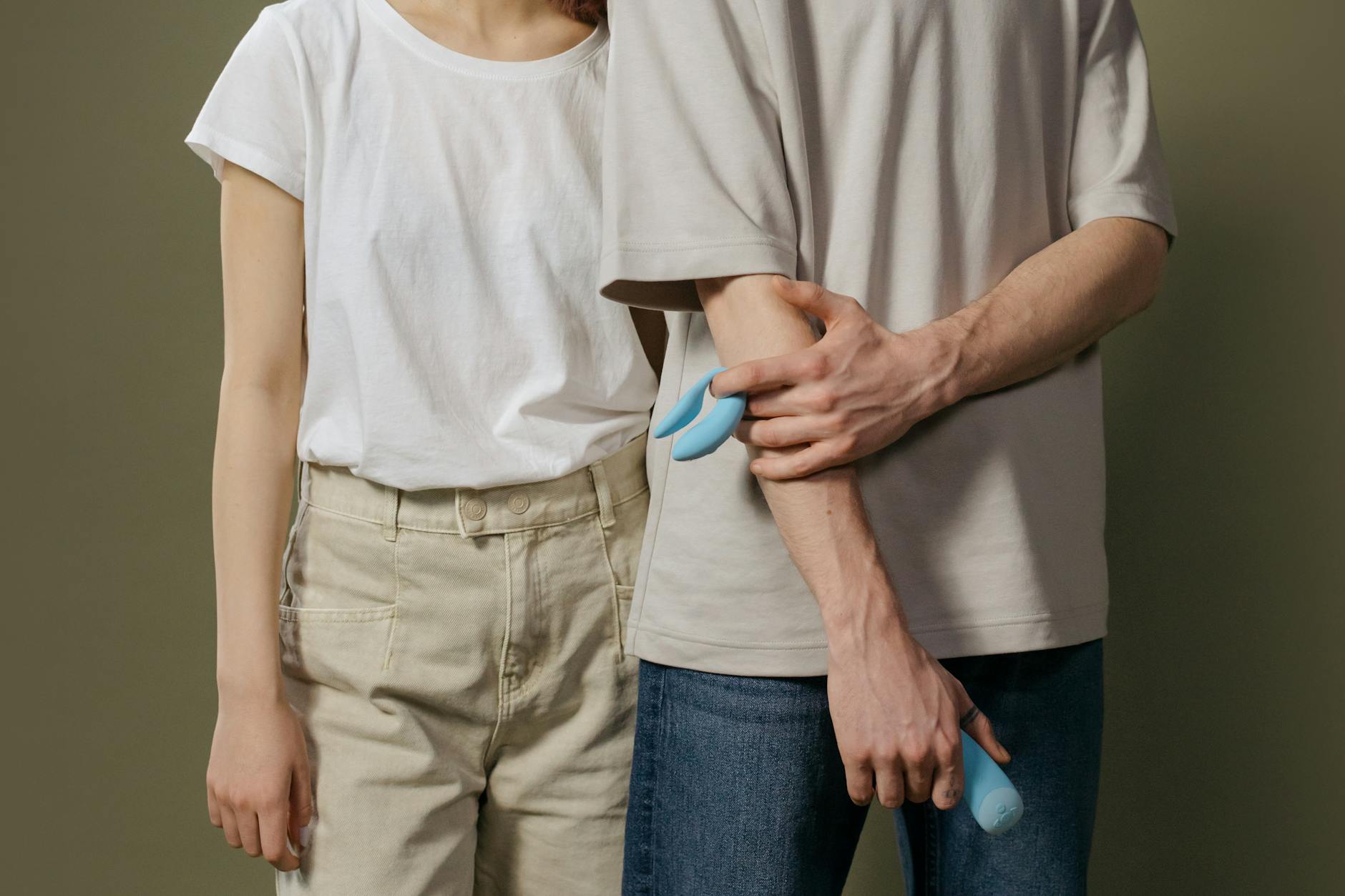
Here's the thing about sensation memory
Your nervous system remembers pleasure. But if you've been away from it for months, or years, or even just a few weeks, the memory and the reality don't match. You pick up your lemon clitoral vibrator again. You hit pattern two. And suddenly you're thinking, "Wait, was this always this intense?"
It wasn't. You were. Your baseline for stimulation has shifted, which means everything downstream from that baseline has shifted too.
What actually happens when you take time away from toys
Let me separate the myths from the mechanics here, because this matters.
When you stop using vibrators (or any intense external stimulation) for a stretch, three things happen to your nervous system:
First, your sensory threshold resets downward. Your clitoris has about 8,000 nerve endings, and they're calibrated constantly based on recent input. If you're used to pattern five on your lemon vibrator multiple times a week, your nerves adapt. They expect that intensity. When you stop for a while, they recalibrate to baseline. This is called desensitization recovery, and it's completely normal.
Second, your pelvic floor changes its resting tension. If you've been stressed, anxious, or just absent from your own body, your pelvic floor typically becomes tighter. Tension in the pelvic floor can amplify sensation from external stimulation. What felt manageable before now feels magnified because the supporting muscle is bracing.
Third (and this is the part nobody talks about), your anticipatory arousal shifts. Anxiety about sensation itself can make sensation feel sharper. You're not just experiencing the vibration. You're simultaneously monitoring it, judging it, and bracing against it. Your brain is doing three jobs at once. Of course it feels overwhelming.
The difference between physical and psychological intensity
Here's a distinction that changes everything. When you return to your Hello Nancy lemon vibrator after time away, you need to ask: "Is this overwhelming because the sensation is genuinely too strong, or because I'm anxious about sensation?"
Physical overwhelm feels like actual discomfort. Sharp, bright, almost electric. It's in your body.
Psychological overwhelm feels like panic, like you need to escape, like you can't predict what comes next. It's in your nervous system.
They need different approaches. Confusing them is exactly why people abandon toys and assume their body has changed permanently. Their body hasn't. Their relationship with sensation has.
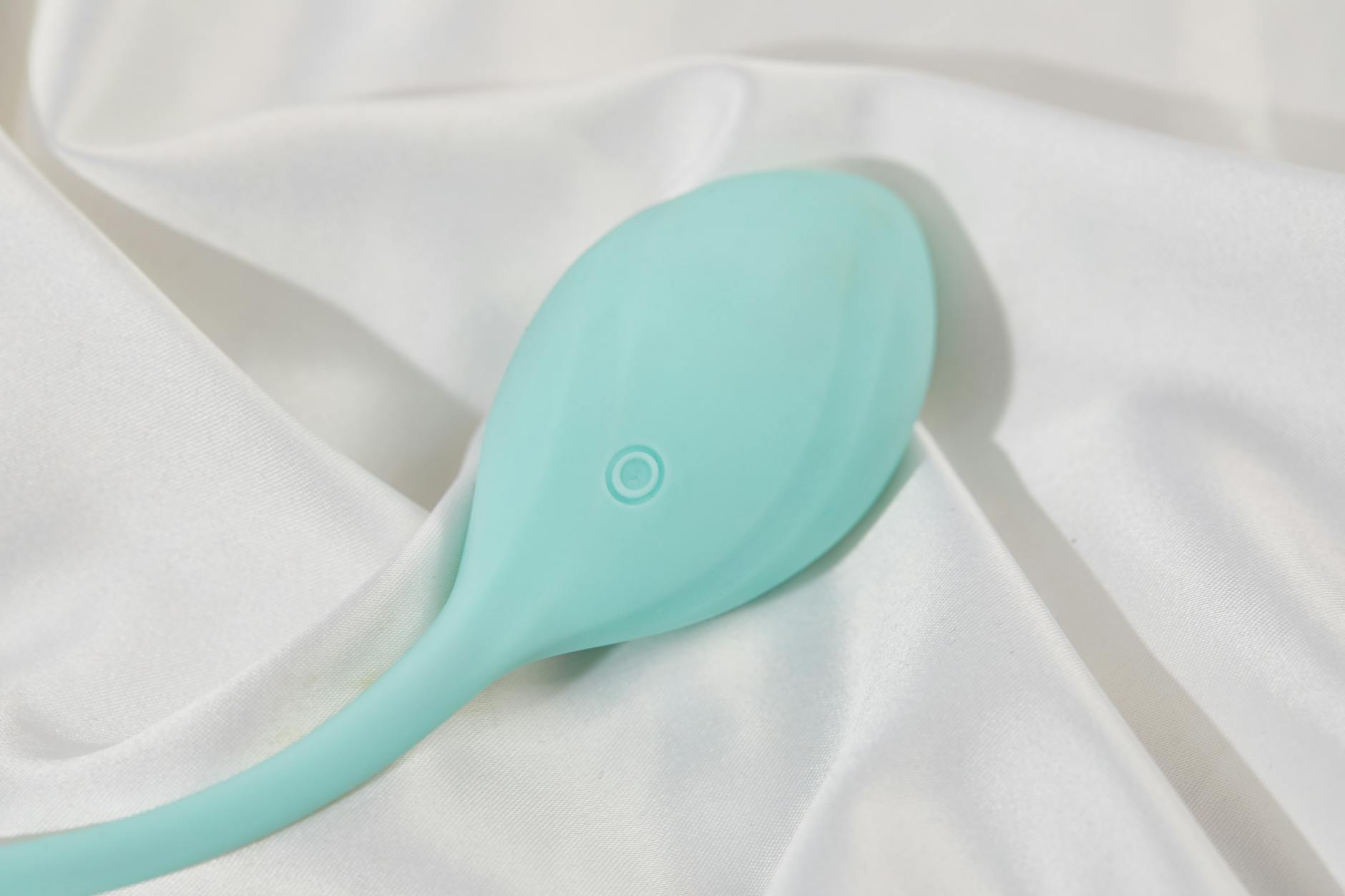
Photo by IFONNX Toys on Pexels
Why lower settings feel worse than higher ones sometimes
This is the counterintuitive part. Pattern one on your lem vibrator sometimes feels more jarring than pattern three.
Why? Pattern one is often an irregular pulse. Your nervous system has evolved to detect novelty and threat. An unpredictable vibration pattern activates more of your attention than a steady rhythm does. Your brain is spending energy trying to anticipate the next pulse. That's exhausting.
Pattern three, if it's a steady rhythm, can feel less overwhelming even though it's technically more intense. Steadiness is predictable. Your nervous system can relax into it.
Additionally, lower settings sometimes have more surface tremor and less deep resonance. That surface-level vibration can feel ticklish or nervous. Higher settings often have more uniform frequency distribution, which can feel more focused and less scattered.
So if you're returning to a lemon clitoral vibrator and thinking "I'll start gentle," start gentle with a steady pattern, not an erratic one. There's a reason that matters.
The warm-up window that most people skip
When you haven't used a vibrator in a while, your body needs permission to ease back in. I don't mean permission from anyone else. I mean from yourself.
Try this sequence: on your first use back, don't go directly to the toy. Spend fifteen minutes exploring sensation without it. Use your fingers. Notice where touch feels good. Locate the spots that still remember. Let your nervous system remember that pleasure is on the menu before you introduce the more intense stimulus.
Then, when you do use the lemon vibrator, start with the toy against fabric or your hand, not directly on skin. Let your nervous system feel the vibration at a remove first. It's like slowly raising the volume instead of turning it all the way up.
Most people skip this and wonder why everything feels shocking. It's not shocking to your body. It's shocking to your nervous system because you're giving it no runway.
How your vaginal barrier changes the sensation
If you've been taking time away from penetrative sex, partnered sex, or toy use, the tissue of your vulva and vaginal opening can become less resilient. This isn't damage. It's just that tissue thrives on regular, gentle use.
When tissue is less resilient, sensation from external vibration can feel sharper because there's less cushioning. The vibration transfers more directly to the nerve endings. This is why people often describe the same lemon vibrator as feeling "different" after a break. The toy didn't change. The tissue did.
The fix is consistency over intensity. Using your Hello Nancy toy at lower settings two or three times a week rebuilds tissue resilience faster than using it at high intensity once a month. Your tissue responds to regular, moderate stimulation.
Rebuilding your baseline: the three-week reset
I typically recommend a three-week protocol for anyone returning to vibrators after a significant break.
Week one: pattern one or two, five to ten minutes, three times that week. Solo, no pressure to orgasm. Just sensation. The goal is recalibration, not climax.
Week two: same pattern, but now try two sessions, extend to fifteen minutes if it's comfortable. You're training your nervous system that this is safe and predictable.
Week three: introduce pattern three, but only for the second half of your session. Stay with pattern one or two for warm-up. Again, steadiness over newness.
By week four, most people find their baseline has shifted. Sensations that felt shocking in week one now feel appropriate. You haven't changed. Your nervous system has recalibrated.
This protocol works because it honors the actual neurobiology of sensation adaptation. You're not forcing your body to remember something it never forgot. You're reminding your nervous system of the pacing.
The role of arousal in what feels overwhelming
Here's something crucial that doesn't get discussed enough: a lemon clitoral vibrator feels dramatically different depending on your arousal level when you start.
If you're at forty percent arousal (you're interested, but not fully engaged), vibration can feel abrasive. Your tissues are less engorged. The bloodflow to your clitoris is partial. The toy feels like it's knocking on a door that isn't quite open.
If you're at seventy-five percent arousal (you're genuinely turned on, your body is responding), the same vibration feels rich and focused. Your tissues are plump. Bloodflow is full. The toy feels like it's dancing with you, not at you.
So if everything feels overwhelming, the first question isn't "Is my toy too intense?" It's "Did I spend enough time getting actually aroused before I used it?"
Most people returning to toys after a break skip the arousal phase entirely. They go straight to the toy as if the toy itself will generate arousal. It won't. The toy amplifies what's already there.
When to see a specialist
If you've been taking time away from pleasure because of pain, numbness, or past trauma, that's a different conversation. Pain with vibration isn't about intensity settings. It's about physiology or nervous system history that deserves real evaluation.
Similarly, if you're on medications that affect sensation (some antidepressants, blood pressure meds, hormonal changes), your baseline may have genuinely shifted. That's not something I'd recommend handling alone. A sex-positive gynecologist or pelvic floor physical therapist can help you understand what's changed and why.
But if you're just rusty? If you've just been away for a while and everything feels weird? That's your nervous system doing exactly what it should do. It's protective. It's recalibrating. And it responds beautifully to patience and consistency.
FAQ: Common questions about returning to lemon vibrators
Why does my lemon vibrator feel painful when it didn't before?
Pain usually signals tissue irritation or pelvic floor tension, not just sensation overwhelm. If the same toy that felt good before now hurts, something has shifted in your body. This could be dryness, tissue thinning, pelvic floor dysfunction, or inflammation. Don't push through it. See a pelvic floor PT or sex-positive gyn to figure out what changed. In the meantime, water-based lubricant can help, but that's a band-aid if there's an underlying issue.
Can you lose the ability to enjoy vibrators if you don't use them?
No. Your clitoris doesn't forget how to feel pleasure. But your nervous system does recalibrate. It's like muscles after a break from exercise. You haven't lost the capacity. You've lost the adaptation. Three weeks of consistent, gentle use brings that adaptation back.
Is it normal for lower settings to feel more uncomfortable than higher ones?
Completely normal. Lower settings on many lemon clitoral vibrators have less regular frequency distribution, so they can feel more scattered or ticklish. Higher, steady settings feel more organized to your nervous system. If pattern one feels weird, try pattern two or three. You might find a sweeter spot that feels less jarring.
How long does it usually take to feel comfortable with a lemon vibrator again?
For most people, three to four weeks of two to three sessions per week brings sensation back to feeling natural rather than shocking. Everyone's different, but that's the typical window I see in my practice.
Should I use lube even though I'm stimulating externally?
Not necessarily. But having lube nearby is smart. If sensation feels too sharp or sharp in an uncomfortable way, a tiny bit of lube can smooth the sensation without muting it. Water-based lubricant won't damage your lemon vibrator, so there's no downside to having it handy.
What if I'm still feeling anxious about intensity after three weeks?
Then the overwhelm is probably more nervous system than sensation. You might benefit from talking through what's driving the anxiety with a therapist or sex educator. Sometimes we're not actually scared of vibration. We're scared of the vulnerability that comes with pleasure. That's worth exploring separately.
The short version
Your lemon vibrator didn't forget you. Your nervous system recalibrated. Lower settings than you think you need, steady patterns over erratic ones, real arousal before you start, and consistent (not intense) use over three weeks. That's the path back. Your body remembers pleasure. It just needs permission to ease back in.