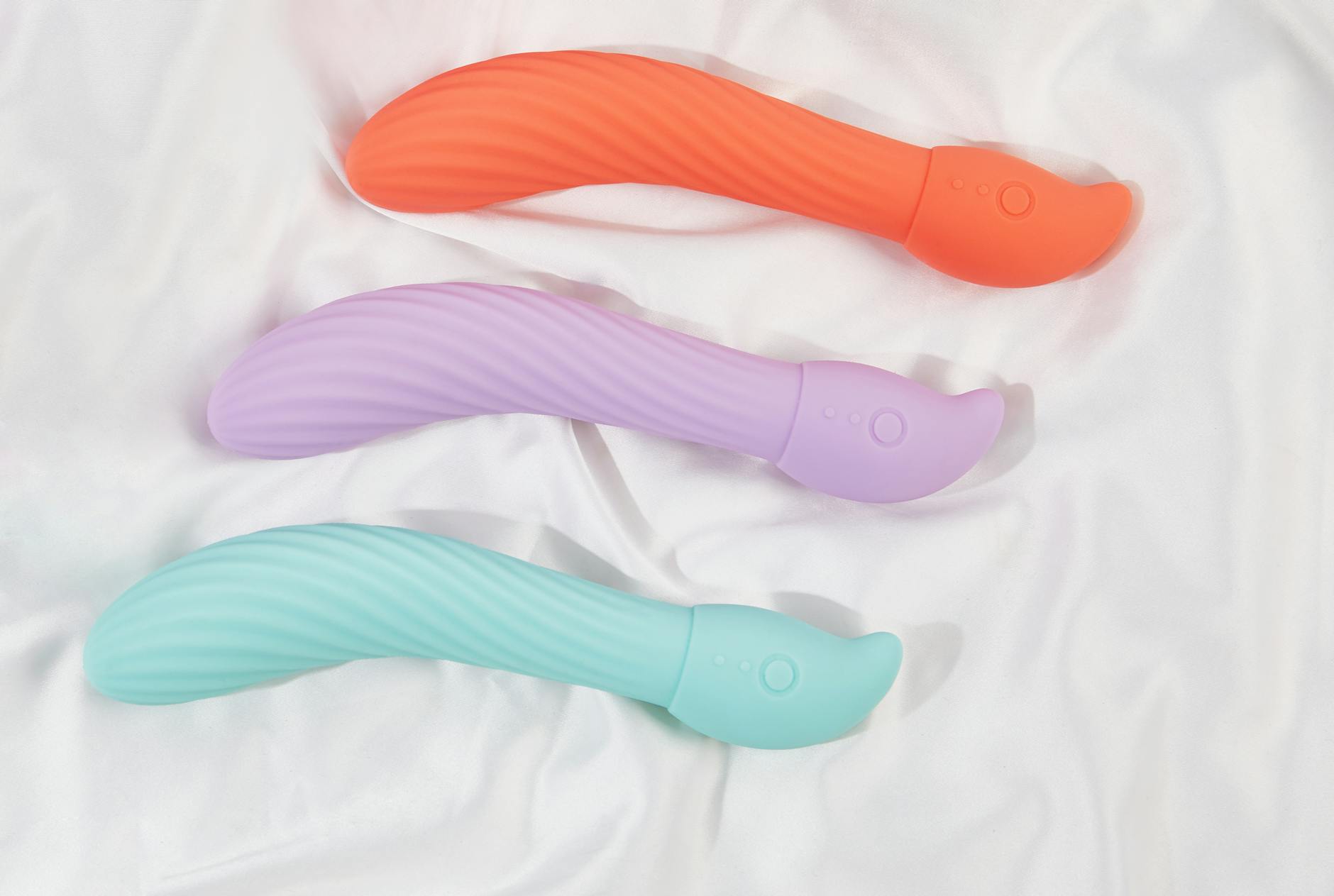
Here's what usually happens
You think about mentioning it. You rehearse the sentence in your head. You open your mouth at dinner, panic, and ask about their day instead. Three months later, you're still fantasizing about it but haven't said a word.
The silence isn't about shame. It's about vulnerability. Bringing up anything about sex feels like you're critiquing what already exists, or admitting you want something your partner might not give you, or worse—that you've been thinking about this long enough to actually plan it out. That last one feels like too much honesty.
But here's the thing: partners who talk about toys end up having better sex. Not just more adventurous sex. Better sex. The kind where both people are actually present and excited.
Why the conversation feels harder than it is
Most of the fear comes from a misread. You're imagining your partner hearing "I want a lemon vibrator" as "I'm not satisfied with you." But what actually lands, when you frame it right, is "I want us to explore something together that could feel amazing for me." Those are wildly different messages.
The second one isn't a critique. It's an invitation.
I've worked with hundreds of couples through this conversation. The patterns are consistent. The ones who succeed do three things: they pick the right moment, they use the right words, and they frame it as collaborative, not solo. Let's build the exact script.
Timing matters more than you think
Don't bring this up during sex. Don't bring it up when you're stressed about work, or they're stressed about work, or you're in the car with their parents in the back seat.
The sweet spot is calm, private, and not in the bedroom. Many couples I work with find the conversation flows best over coffee on a weekend morning, or during a walk. Something about side-by-side movement (versus face-to-face intensity) makes vulnerability easier.
Avoid bringing it up right before bed or right after sex when they're tired. Give them the space to actually think and respond, not just grunt agreement because they're ready to sleep.
If you have kids at home, wait until they're at school or asleep. You need 20 minutes of actual privacy, not the feeling that someone might walk in.
The opening line that actually works
Forget "I have something I want to talk to you about." That makes it sound like a problem.
Try: "Hey, I've been thinking about something and I want to run it by you because I value your thoughts." Or simpler: "Can we talk about something that's been on my mind?"
The key word is "with," not "to." You're not announcing something. You're starting a conversation.
When they're ready (they'll probably say yes), here's the actual line:
"I've been curious about trying a lemon vibrator together. I think it could feel really good, and I like the idea of exploring it as part of what we do together. What do you think?"
Notice what that does:
- "I've been curious" (not "I need" or "I want") sounds like exploration, not demand
- "together" (not "alone" or "with myself") makes it collaborative
- "feel really good" is honest without being clinical
- "as part of what we do together" frames it as expanding your shared intimacy, not replacing anything
The question at the end matters. You're asking them to think, not just react.
What if they say no (and how to handle it)
Some partners will hesitate. That's normal. Hesitation isn't rejection.
If they say "I don't know, that sounds weird," or "I'm not sure I'm comfortable with that," here's where most people panic and backtrack. Don't. Instead, stay curious.
"What feels weird about it to you?" or "What would make you more comfortable?" These open the door to understanding what's actually going on. Often it's not about the lemon vibrator itself. It's about feeling replaced, or inadequate, or like something's wrong.
Once you know the actual worry, you can address it. "I'm not looking for something you can't give me. I'm looking for something we can do together that feels good for my body." That's different from defending the toy. You're defending the relationship.
If they're still a hard no after a real conversation, that's information. And it's worth asking yourself why: Is this a boundary they need respected, or is this about shame or insecurity they haven't worked through? Those require different responses.
But statistically? Most partners who are hesitant initially come around once they understand it's not a threat.
How to talk about it without making them feel inadequate
This is the real mine field, and I want to be direct. Many people assume that asking for a vibrator means "you're not enough." That's the story they tell themselves, and you have to actively dismantle it.
Here's what helps: separate pleasure from performance.
"I love how you make me feel. This is about something different. A lemon clitoral vibrator stimulates nerves in a way that's just physically different from anything hands can do. It's not better or worse—it's just a different sensation. And I want to experience it with you watching, touching me, being part of it."
That last part matters. You're not disappearing into solo time. You're inviting them into it.
You might also mention that many women need clitoral stimulation that's more sustained or intense than most partners can comfortably provide with hands alone. That's not a criticism of them. It's basic anatomy. The lemon vibrator isn't a replacement. It's a tool that makes certain sensations possible.
Introducing it for the first time (the actual moment)
Don't just pull it out of a drawer like a magic trick. That kills the conversation you just had.
Instead, bring it up a day or two after the talk, when you've both had time to think. "I ordered one. It arrives Thursday. Are you still feeling okay about trying it together?"
This gives them a chance to back out before it's physically in the room. Most won't. They'll be nervous and excited.
When it arrives, show it to them together before you use it. Let them hold it, see that it's not intimidating, understand how it works. Some partners feel more comfortable when they have control—when they're the one holding it, or at least choosing the settings. Honor that.
The first time you use it together, keep it simple. Start slow. You might say something like "Let me show you what it feels like" and then guide their hand to show them the sensation it creates. That's collaborative and intimate.
As you get more comfortable, you'll find what works. Some couples use it together during partnered sex. Some prefer solo play while their partner is present and engaged. There's no one right way. The point is you figured it out together.
If you want to use one solo (and your partner needs to hear it)
Here's something I see often: one person thinks the lemon vibrator is only for partnered play, so they don't mention that they want to use it when alone too.
Don't do that. Have the conversation about both.
"I'm also interested in using this sometimes when I'm alone. It helps me understand my body better, and honestly, it just feels good. I want you to know because I don't want it to be a secret."
Secrets around pleasure poison things. Openness, even when it's awkward, builds trust. Many partners who were hesitant about toys actually feel relieved when they understand their partner has a healthy solo life too. It takes pressure off them to be everything.
Why this matters more than you realize
You're not just having a conversation about a lemon vibrator. You're modeling what it looks like to want something, ask for it clearly, and handle rejection or hesitation with respect. That's the blueprint for every other conversation you'll ever have in this relationship.
People who can talk about sex openly also tend to communicate about money, time, emotional needs, and everything else with more ease. It's all the same skill: saying what you want without shame, listening without defensiveness, and finding the middle ground together.
So yes, this feels big. It is. But not because of the toy. Because of what it teaches you both about intimacy and honesty.
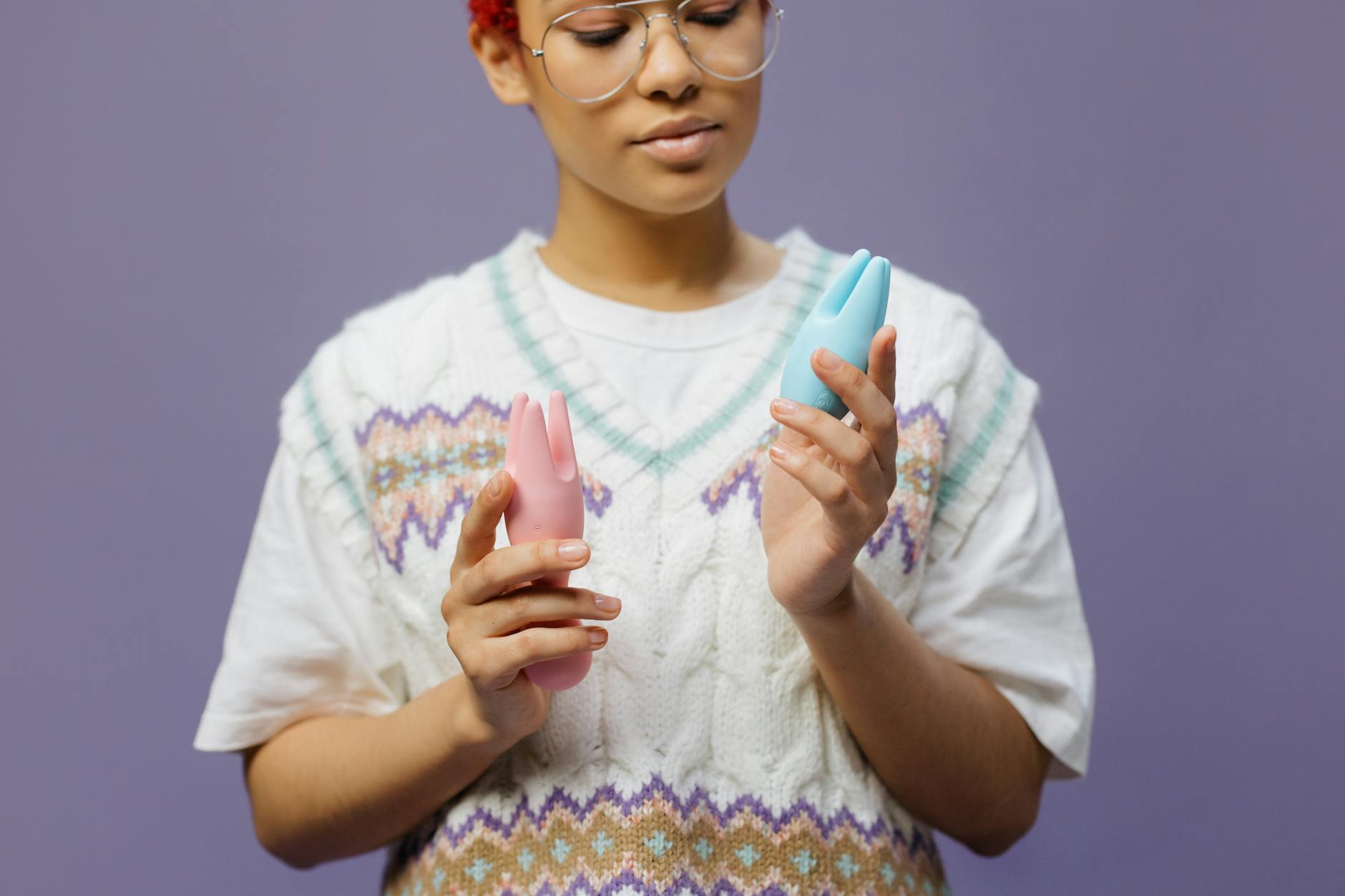
Photo by cottonbro studio on Pexels
What happens after the conversation
Most partners feel relief after the talk, even if they were nervous going in. Relief that you trusted them enough to be honest. Relief that this wasn't a betrayal, but an invitation.
Some will surprise you. They might say "I've been wanting to suggest something like this too" or "I'm way more interested than I thought I'd be." Let that land. You've just opened a door.
Others will need time. They'll think about it for a few days, then mention it again. That's fine. Processing is part of it.
The key thing: after the conversation, your lemon vibrator stops being scary and becomes just a tool. Something you might use together, something you might use solo, something that's just part of your life. The shame and mystery dissolve once it's been named.
Frequently asked questions
What if my partner gets jealous or insecure after I introduce a lemon vibrator?
Insecurity is common, and it's worth addressing directly. Ask them specifically what they're worried about. Are they afraid of being replaced? Feeling inadequate? Worried you'll prefer solo play? Once you know, you can respond to the actual fear, not just reassure generally. Many couples find that letting their partner control the toy (holding it during sex, choosing settings) helps them feel included rather than replaced. If the insecurity persists after honest conversation, that might be worth exploring with a couples therapist.
Is it okay to use a lemon vibrator during partnered sex with my partner inside me?
Absolutely, and many couples prefer this. The lemon clitoral vibrator can provide consistent stimulation to the clitoris while your partner moves inside you, which many people find intensifies everything. Start with lower settings while you're adjusting to the combined sensation. Communication is key—check in about what feels good and what feels overwhelming. Some positions work better than others, so you might need to experiment.
How do I bring this up if we've had awkward sex talks in the past?
Your history matters. If previous conversations about sex went badly, acknowledge that gently. You might say "I know we haven't always found it easy to talk about this stuff, but I want to try because I think it could be good for us." This shows awareness and intention, not criticism. Keep this conversation shorter and lower-stakes than you might otherwise—give them space to think rather than pressure for immediate enthusiasm.
What if my partner wants to use a lemon vibrator but I'm not sure I do?
That's equally valid. You don't have to want the same things sexually to have a good relationship. What matters is that you're both heard and respected. You might say "I love that you're excited about this. I want to take time to think about whether this is something I want, and I don't want to pressure myself. Can we check back in next week?" That's honest and fair.
Can I send my partner an article about lemon vibrators instead of talking?
Texting an article might feel safer, but it usually backfires. It can feel passive-aggressive or like you're avoiding the actual conversation. The vulnerability of speaking directly matters. That said, after you've talked, sending articles about communication or pleasure can be helpful context-setting. But start with words, not links.
How long after the conversation should we try it together?
There's no rule, but I'd suggest waiting at least a few days—long enough that the conversation has settled, but not so long that anticipation becomes dread. Some couples wait a week or two. Others are ready the next day. The point is you've both had time to think and feel ready, not pressured. If one of you is clearly still hesitant, wait longer.
The real bottom line
Introducing a lemon vibrator isn't about the toy. It's about claiming your own pleasure and inviting your partner into that. It's about saying "I deserve to feel good" and "I want us to explore this together." Those are powerful statements.
The conversation will probably be less awkward than you think. Your partner will probably be more curious than you expect. And afterward, you'll both feel closer, not further apart. That's what happens when you risk honesty.
If you need support navigating this conversation or other relationship challenges, we're here to help. Reach out anytime at /contact.
See also
For more on building intimacy with your partner, check out how to use a lemon vibrator with your partner and how to transition lemon vibrator use from solo to partnered sex. You might also find can you use a lemon vibrator during sex with your partner helpful as you think through the practical side of things.