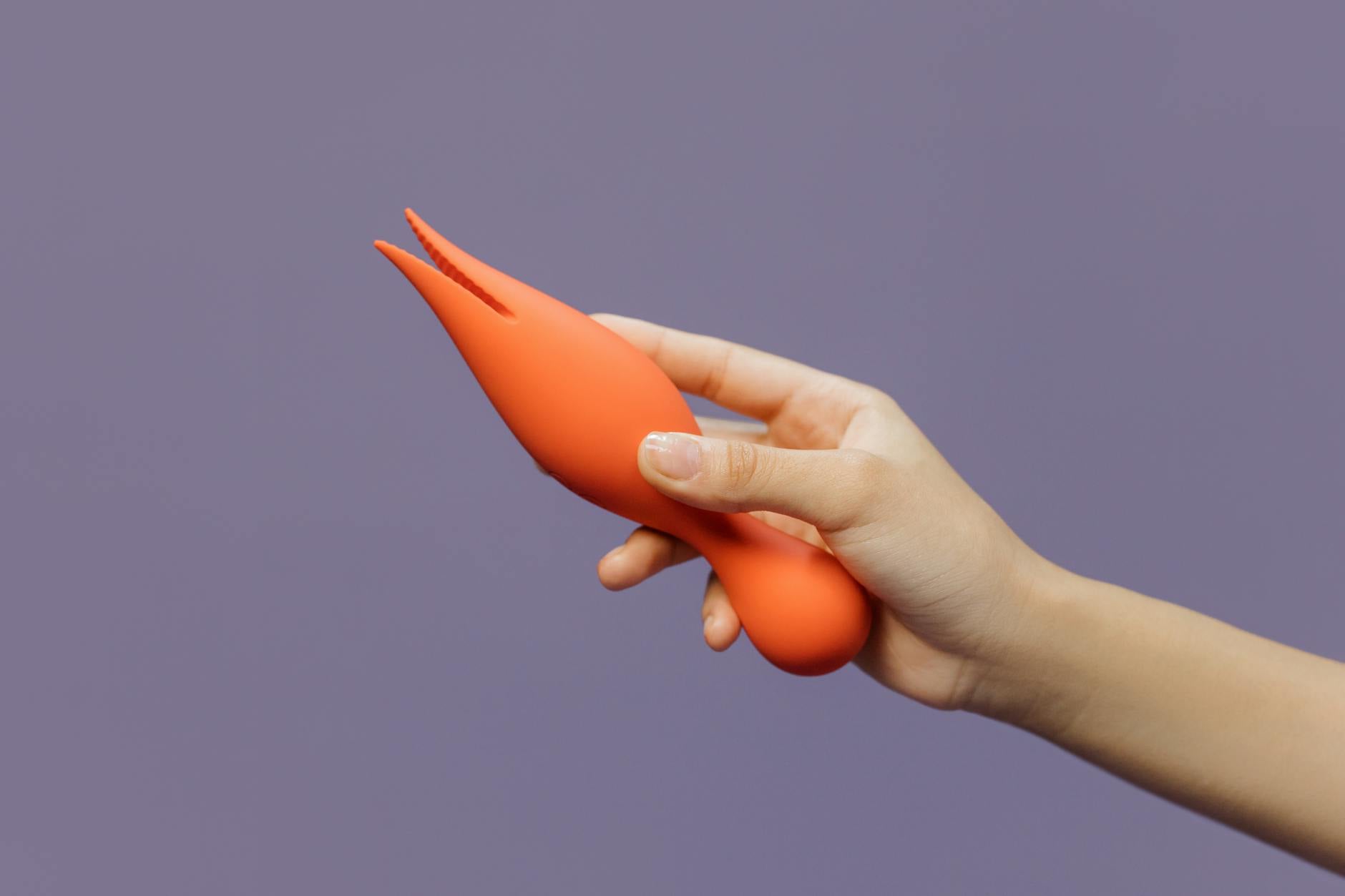
The intensity trap is real
We've been sold a story. That the best sex is the most intense sex. That you're doing it right only if you're breathless, shaking, seeing stars. That every session should build toward some kind of peak moment. And if it doesn't? You failed.
Honestly? This narrative is exhausting. And for a lot of people, it's also a fast track to disappointment.
I work with couples in their 30s, 40s, and beyond, and one of the most liberating conversations I facilitate is the moment someone realizes they've been chasing a version of pleasure that doesn't actually belong to them. The intensity model works for maybe 20% of the population, in maybe 20% of their sessions, under very specific circumstances. For everyone else, it's a setup for feeling like something is wrong.
Here's the thing: sustained pleasure is a completely different animal. It's the difference between sprinting and hiking. One is breathless and finite. The other is deep, continuous, and genuinely restorative. And once you understand how to access it, particularly with a lemon clitoral vibrator, you often find you don't want to go back.
Why intensity culture got it wrong
A lot of the intensity fetish comes from porn, and a lot comes from the way male pleasure is typically framed. If we're being straightforward, many people with penises are chasing a specific endpoint because that's often how their bodies are wired. Intensity, speed, building toward orgasm. Fine for them. Less universal for everyone else.
But here's what nobody talks about: sustained stimulation activates different neural pathways than intensity does. When you move past the chase and into continuous, moderate engagement, your nervous system downshifts from a sympathetic response (fight-or-flight energy) into a parasympathetic one (rest-and-digest). That's where the real pleasure lives. That's where you can actually feel.
Think of it like music. A high note is attention-grabbing. But a sustained chord that resonates through your whole body? That changes how you experience the moment. It's the difference between a spike and a sustained hum.
How your body responds to sustained stimulation
When you commit to moderate, consistent pressure with a device like the Lem, your body does something interesting. The initial rush of novelty settles, and then sensation deepens. Nerve endings that were overloaded at high intensity actually become more responsive at a lower, sustained level. Your pelvic floor relaxes instead of tensing. Your breathing steadies. Your mind, weirdly, both sharpens and softens at the same time.
Many of my clients describe this as feeling "more themselves." Less like they're performing pleasure and more like they're actually experiencing it. The distinction matters clinically. When you're in sympathetic overdrive chasing intensity, you're somewhat dissociated. You're outcome-focused. When you shift to parasympathetic engagement, you're present. You notice sensations you've skimmed past a hundred times before.
This is why people often report that their most memorable sessions aren't their most intense ones. They're their most present ones. And presence requires sustained, moderate engagement, not constant escalation.
The lemon vibrator as a sustained pleasure tool
One reason I often recommend lemon adult toys to clients exploring this shift is their design. The Lem, specifically, is built for this. It's not a device chasing maximum intensity. It's precise, consistent, and engineered for long sessions without fatigue.
Here's how to use it differently:
Start low, stay low. Most people use their lemon clitoral vibrator on the highest setting immediately, then wonder why they feel numb after 10 minutes. Instead, begin on pattern 1 or 2. Yes, genuinely that low. Let your body wake up. Spend 5-10 minutes just noticing what those gentle patterns feel like. You're not building toward anything yet. You're just arriving.
Anchor your focus. One of the hardest parts of shifting from intensity to sustained pleasure is the mental reset. Your brain is still expecting a sprint. Use that. When your mind wanders to outcomes or performance, gently anchor it back to the physical sensations. What does the suction feel like in this exact second? How does your breath feel? What micro-sensations are you catching that you normally miss? This is meditation with a vibrator, and it's powerful.
Expand your timeline. If you normally masturbate for 10-15 minutes, budget 30-45. Not because you need more time to finish. You might not "finish" at all, and that's fine. You're extending the window because sustained pleasure lives in time, not in endpoints. Some sessions will end in orgasm. Some won't. Both are valuable. Both count.
Use lube intentionally. Water-based lubricant isn't just for partners. It transforms how your lemon sexual toy feels against tissue, creating a smoother, less abrasive sensation. That reduction in friction actually helps shift from intensity to sustained pleasure, because the interaction becomes less aggressive and more enveloping.
The rhythm that sustains
If you're used to varying intensity to stay interested, sustained pleasure requires a different approach. Instead of changing intensity, change focus.
Spend 5 minutes on the clitoris. Then move the device in smaller circles, barely moving the tip. Then return fully. Then use slower, longer strokes with the contact. You're keeping the intensity constant but rotating your attention across different areas and different rhythms. This keeps you engaged without turning up the dial.
Many people find this actually extends sensation. Because you're not numbing out one area with constant high intensity, different spots remain responsive. Your body stays surprising to you.
The pleasure-anxiety loop you might hit
Here's a real thing that happens when people shift from intensity to sustained pleasure: initial anxiety. Your brain, wired for performance and outcomes, will feel uncomfortable without a clear finish line. You might feel bored. You might feel like you're "doing it wrong" because nothing dramatic is happening. This is completely normal.
Stay with it for three to five sessions before you judge the approach. Your nervous system genuinely needs time to recalibrate. By week two, most people find they're not bored. They're actually more present and more satisfied. The absence of performance pressure becomes liberating instead of anxiety-inducing.
If anxiety persists, that's worth exploring separately, possibly with a therapist. But often, the anxiety is just your nervous system doing what it's been trained to do. It settles down once it realizes there's no test it's failing.
Pleasure as a sustained practice
One more thing I want to name: shifting your relationship with pleasure from intensity-chasing to sustained engagement actually changes your life outside the bedroom. When you practice being present with sensation, noticing without judgment, extending the timeline, and releasing outcome-focus, those skills transfer. You start eating differently, moving differently, connecting with partners differently.
Pleasure, sustained and present, is genuinely transformative. It's not frivolous. It's not selfish. It's actually how you remember what it feels like to be alive. And if a lemon clitoral vibrator is your gateway to that practice, that's legitimate and valuable.
The orgasm will happen or it won't. That's not the point anymore. The point is how present you are while you're experiencing your own body. That's the pleasure worth chasing.
Frequently asked questions
What if sustained pleasure just feels boring to me?
Boredom often signals that your nervous system is still in performance mode. Before you decide sustained pleasure isn't for you, check: Are you actually expecting a sprint? Are you clock-watching? Are you judging yourself for "not getting anywhere"? If yes to any of those, the boredom is just your brain insisting on the old story. If you genuinely try three to five sessions with real intention and it still doesn't work, that's different. But give it honest time.
Can I combine intensity and sustained pleasure in one session?
Absolutely. Start with 15-20 minutes of sustained, moderate stimulation. Let your body settle and deepen. Then, if you want, build intensity in the final 5-10 minutes. The sustained foundation actually makes any intensity that follows feel richer, not cheaper. You're building on a real structure instead of starting from zero.
Is sustained pleasure the same as tantric practices?
There's overlap, but they're not identical. Tantra is a spiritual framework with philosophy and ritual. Sustained pleasure, as I'm describing it, is just a different neurological approach to your own body. You don't need beliefs or practices beyond presence and consistency. That said, if tantra interests you, sustained pleasure is honestly a better entry point than intensity-chasing.
Does sustained pleasure take longer to create an orgasm?
Not always. Some people actually find they reach orgasm faster from a parasympathetic state because their body isn't tensing against stimulation. Others find orgasm is less relevant because the entire experience becomes equally pleasurable. The timeline depends on your body and your nervous system state, not the technique. That's actually the point. You're not engineering outcomes. You're creating conditions for whatever your body naturally does.
What if my partner wants intensity and I want sustained pleasure?
This is a conversation, not a conflict. Many couples find a rhythm where they alternate styles, or they do sustained pleasure as foreplay and intensity as a finale. Some discover that the partner who thought they wanted intensity actually prefers sustained pleasure once they try it. Others find they genuinely have different preferences, and that's fine. It just means being intentional about communication and maybe exploring solo sessions with your lemon sucker separately from partnered time. No rule says both have to work the same way.
Can I use sustained pleasure with partners?
Yes. You can use a lemon vibrator during partnered sex the same way you'd use it solo. The difference is that sustained pleasure becomes a shared experience. Your partner experiences the pace, the presence, the non-outcome-focused energy. For a lot of couples, this actually deepens intimacy more than intensity-chasing does, because presence is contagious.
If you're curious about integrating pleasure toys into partnered sessions, how to use a lemon vibrator with partners who prefer slower buildup has concrete strategies for creating that shared space.
The real win
The shift from intensity-chasing to sustained pleasure isn't a downgrade. It's an upgrade to a version of pleasure that's actually sustainable. Not just in that session, but in how it changes your relationship with your body, your time, and your expectations.
The lemon vibrators and other clitoral vibrators designed for precision and consistency become vehicles for that shift. They're tools for slowing down, for presence, for remembering that you don't have to perform pleasure to deserve it.
If something isn't working in your pleasure life, the answer usually isn't more intensity. It's more presence. Your body already knows what that feels like. You're just learning to stop running past it.
Want to talk through what sustained pleasure could look like for your specific situation? Get in touch. I'm here to help you build a pleasure practice that actually works.