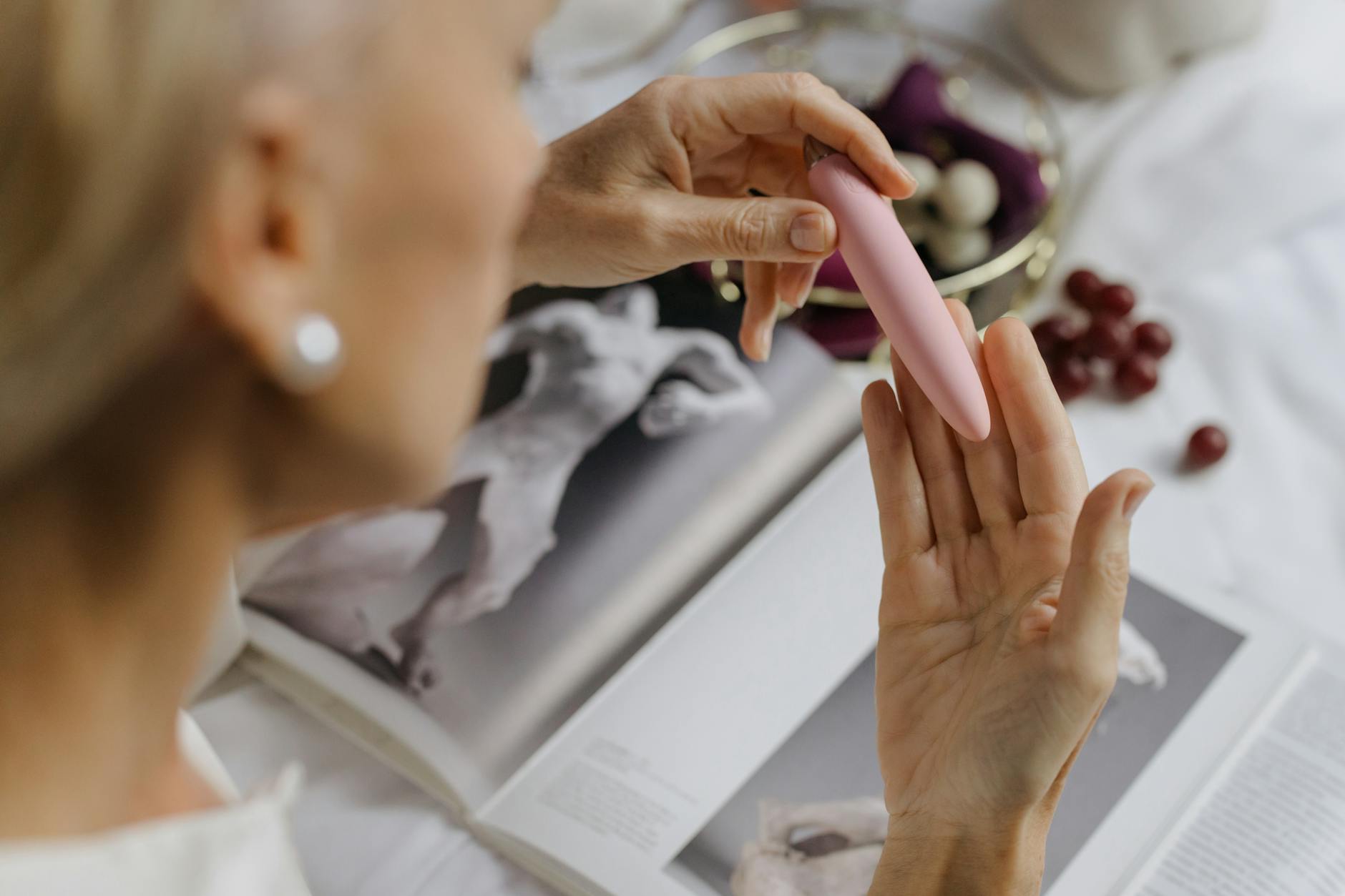
Here's what nobody tells you about sensation
Your clitoris is not a machine that only gets better with more stimulation. In fact, the opposite is often true. When you use the same pattern, same speed, same toy in the same way for months or years, your nervous system stops paying attention. That's desensitization, and it's wildly common. You're not broken. You're not losing your mind. Your body is just doing what nervous systems do: adapt to repetition.
The good news is that sensation recovery is absolutely possible. And lemon vibrators, specifically their suction mechanism, offer one of the cleanest paths back.
Why you might be experiencing numbness
Desensitization happens for a few specific reasons, and knowing which one you're dealing with changes your strategy.
Repetitive stimulation fatigue. If you've been using the same toy at the same intensity for a long time, your nerve endings simply stop firing as enthusiastically. It's adaptation, not damage. Your body is protecting itself from overstimulation.
Vibration dependency. Some people find that after years of vibrator use, direct touch or manual stimulation starts to feel like nothing. Your nervous system has gotten so used to rapid mechanical sensation that slower stimuli feel inactive.
Stress and cortisol. When your nervous system is in a low-grade state of alertness (work stress, relationship tension, sleep deprivation), your capacity for pleasure literally shrinks. Cortisol dampens arousal signals. You might have the perfect toy and the right partner, but your brain is offline.
Medication changes. Certain antidepressants, birth control formulations, and thyroid medications can flatten sensation gradually enough that you don't notice until months in.
The reset protocol
Recovering sensation takes intention, but not willpower. Here's the framework I recommend to clients:
Week 1-2: Pause. Yes, actually stop. Not forever, just 10-14 days. No vibrators, no solo play. Let your nerve endings go quiet. This sounds counterintuitive, but a brief sabbatical resets your baseline. You're not being punished. You're clearing the static.
Week 3: Rediscover touch. Start with hands only. Warm water, maybe a little water-based lubricant. Slow exploration. The goal is not orgasm. The goal is feeling. You might notice sensation you'd completely forgotten about. Let yourself be curious, not goal-oriented.
Week 4: Introduce lower intensity. If you own a lemon clitoral vibrator like the Lem, this is where it gets strategic. Start with the lowest pattern (usually pattern 1 or 2) and the shortest session. Five minutes, not 20. Your nervous system needs to remember what low-level sensation feels like before you rebuild to intensity.
Why lemon vibrators excel at sensation recovery
Most vibrators use vibration as their only tool. A clitoral suction toy like the Lem works differently. Suction stimulates the entire clitoral network (yes, most of the clitoris is actually internal) without the repetitive high-frequency sensation that leads to desensitization in the first place.
This matters because suction naturally creates sensation variation. Even at pattern 1, the sensation shifts slightly with each pulse. It's not the same repetitive buzz you might have been habituated to.
Start with the gentlest suction settings. Place it and hold still for 30 seconds. Notice what you're actually feeling. Most people report that lower intensity on a suction toy generates way more sensation awareness than higher speeds on a vibrator ever did.
Rewiring your response to intensity
Once you've spent 2-3 weeks at lower patterns, you can explore higher settings, but here's the catch: don't go back to your old pattern immediately.
Instead, rotate. Use pattern 1 for three sessions, then try pattern 2. Spend time at pattern 2. Maybe a week. Your nervous system is learning that variation itself is interesting.
This also prevents you from slipping back into the same groove that created desensitization in the first place. Variety is not just more fun. It's how you maintain sensation long-term.
The partner integration piece
If you have a partner, they need to understand this is a reset, not a dry spell. You're not rejecting them or the toy. You're recalibrating. Some couples find that this phase is actually a great time to focus on non-penetrative intimacy, longer foreplay, or manual exploration together.
The lemon clitoral vibrator can be part of partnered play at any stage of recovery. Some people find it easier to use a suction toy during partnered sex because it doesn't require the same intense focus or the specific angle that vibrators do.
What to avoid during recovery
Don't test yourself constantly. "Is it working yet?" is the wrong question. Your nervous system needs patience, not pressure.
Don't assume you need to go higher and faster once you start feeling sensation again. The temptation is real. Resist it. Keep exploring the middle range of settings. That's where sustainable pleasure lives.
Don't blame yourself if it takes longer than two months. Some people reset in 4-6 weeks. Others need 8-12 weeks. That's normal. Your nervous system has its own timeline.
The maintenance play
Once you've recovered sensation, the key is not sliding back into the same habits. This means varying your approach:
Rotate between solo and partnered play. Vary when you play (morning, evening, weekend). Switch between different patterns on your lemon vibrator. Use it for 5 minutes sometimes, 15 minutes other times. Include manual stimulation alongside it, not instead of it.
Think of it like exercise. Same routine, same intensity, same time every day and your body adapts. Variation keeps your nervous system engaged and responsive.
When to see someone
If you've done the reset protocol for 8-12 weeks and sensation isn't returning, mention it to your doctor. Desensitization usually responds to time and variation, but sometimes it signals something else. Thyroid changes, hormonal shifts, or medication adjustments might be the real culprit. That's not a failure. That's just information.
Similarly, if numbness showed up suddenly alongside other changes (mood shifts, energy drop, relationship strain), it might be worth talking to a therapist. Desensitization and emotional distance sometimes show up together. Treating one without addressing the other can feel incomplete.
The reality
Sensation recovery is not exciting or dramatic. It's slow and quiet and requires patience you probably didn't think you had. But it works. And what people report on the other side is usually this: orgasms feel more present. Sensation feels more varied. The whole thing stops feeling like a performance and starts feeling like something your body is actually experiencing.
That shift is worth the wait.
FAQ
What if I still have low sensation after 12 weeks?
First, check the obvious: Are you still stressed? Sleep-deprived? On a medication that changed recently? Those factors compound desensitization. If those are stable and sensation hasn't improved, bring it up with your doctor. Sometimes numbness signals hormonal changes, particularly around perimenopause, that need actual treatment, not just waiting.
Can I use a lemon vibrator while I'm in the reset phase?
Yes, but strategically. Use it only starting in week 3, and only at the lowest patterns. The point of the reset is to break the cycle of repetitive overstimulation, not to add a new toy. Once sensation starts returning, a lemon clitoral vibrator becomes a really useful tool for maintaining that recovery because suction creates natural variation.
Does desensitization mean my partner isn't attractive to me anymore?
No. Desensitization is a nervous system thing, not a desire thing. You can be wildly attracted to someone and still have a numb clitoris. They're separate systems. That said, if numbness showed up around the same time your relationship changed, addressing that relationship dynamic matters too. Emotional distance and physical numbness often move together.
How long does the reset take?
Typically 4-8 weeks before you notice real change. Some people recover faster. Some take longer. Patience matters more than speed here. You're not trying to rush. You're trying to actually feel again.
Is it normal to feel frustrated during the reset phase?
Completely. You're used to orgasms. Suddenly they're slower or less intense or require more focus. That's frustrating. That's also temporary. Stay with it. Most people say the sensation they get back is worth the brief period of "why is this taking so long."
Can stress alone cause desensitization?
Yes. Chronic stress keeps cortisol elevated, which genuinely suppresses arousal and sensation. If you're stressed, numbness is often your body's way of saying it needs more rest, more relaxation, or more support. Sometimes the fix is not a new toy. It's a vacation, a therapist, or a genuine rest period.
Start here
Desensitization is frustrating, but it's not permanent. Whether you're working with a lemon clitoral vibrator or simply rediscovering your own hands, the path back is the same: pause, explore slowly, introduce variation, and trust your nervous system to remember what it knows how to feel.
Your sensation matters. Your pleasure is worth the investment. And you're not alone in this.
If you're struggling with sensation changes and want to talk through what's happening, reach out to us. We're here to help you figure out what works for your body, not someone else's.