Let's talk about what actually changes with lubrication
Somewhere in your 40s or early 50s, you might notice that what used to happen automatically now takes intention. Your body produces less natural lubrication. This isn't a sign that something's broken. It's a shift in how estrogen is working, and it changes how you approach pleasure. The good news? Lemon vibrators and other clitoral suction toys work brilliantly with this change, often better than traditional vibrators do.
Here's what's happening physiologically: estrogen maintains the tissue lining of the vagina and vulva. When estrogen drops, that tissue gets thinner and produces less of its own moisture. The sensation changes. The timeline changes. But your capacity for orgasm doesn't. Neither does your desire, though many people confuse the two because reduced lubrication can make everything feel more effortful.
Why lubrication matters for how vibrators feel
Lubrication does more than reduce friction. It distributes pressure, creates a glide, and changes how stimulation is transmitted to the nerve endings. Without it, direct vibration can feel sharp or overwhelming instead of pleasurable. This is especially true for traditional vibrators that rely on rapid mechanical movement against tissue.
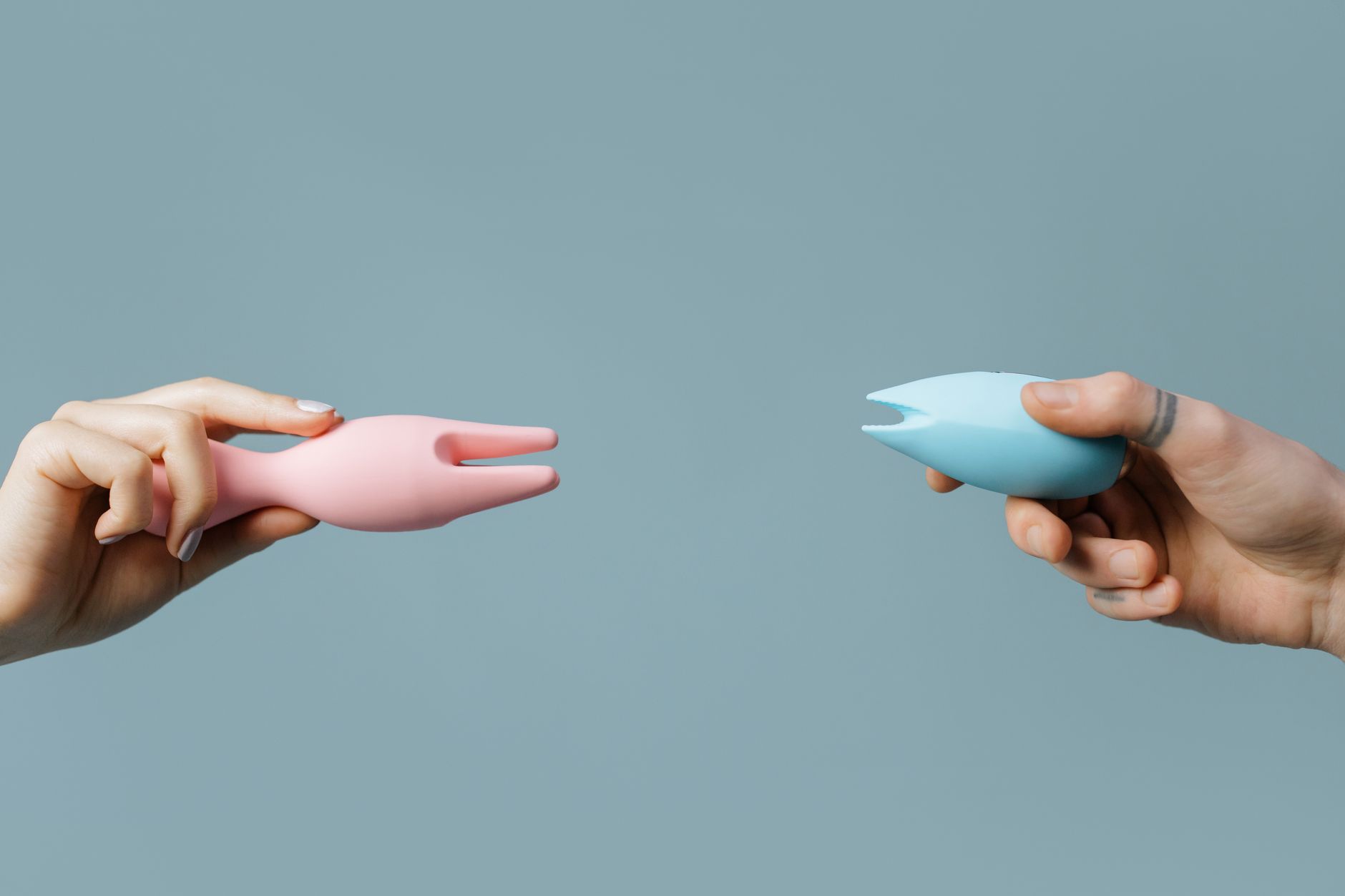
This is where the lemon vibrator's suction mechanism becomes genuinely clever. Instead of vibrating directly against tissue, suction creates gentle pressure and pulse stimulation. It works with reduced lubrication better than anything else because the stimulation method isn't friction-dependent. You're not rubbing. You're drawing.
Most people notice they can use a lemon clitoral vibrator with less discomfort and more sensation when natural lubrication is lower. The angle changes. The pressure feels different. And honestly, many of my clients say their most intense orgasms post-hormone-shift have come with a lemon sucker, not despite the dryness, but partly because of how the device compensates for it.
The lubrication upgrade you actually need
Let's separate the two types of lubrication: what your body makes, and what you add.
You can't force your body to make more estrogen-dependent moisture without medical intervention (topical estrogen creams, hormone therapy, or estrogen vaginal rings are all options worth discussing with your GP). What you can do is choose lubricants that work with a lemon vibrator and won't damage the device.
Water-based lubricants are non-negotiable here. They're compatible with silicone toys, they warm with your skin temperature, and they mimic natural lubrication better than anything else. Silicone-based lubes feel richer and last longer, but they can degrade silicone toys over time. Oil-based lubes trap bacteria and aren't great for vaginal health. Stick with water-based.
You want a lube that's slippery enough to let the lemon vibrator glide across your skin without catching, but thick enough that it doesn't just disappear in 30 seconds. A glycerin-free formula is worth the extra cost because glycerin can feed yeast and be uncomfortable for some people, especially when lubrication is already minimal.
Apply lube directly to the toy and to your vulva. Yes, both. The toy needs it to move smoothly. Your skin needs it because less natural moisture means less protection. Reapply mid-session if you need it. There's no such thing as "too much lube" at midlife.
How your warm-up timeline actually shifts
If you used to be ready for penetration or intense stimulation in five minutes, you're now looking at 15 to 25 minutes. This is information, not failure.
Arousability hasn't gone anywhere. Your nervous system is still responsive. What's changed is the speed at which blood flow increases and tissue engorges. This is partly hormonal and partly about pelvic floor tension that increases as estrogen drops. Your muscles hold more tension by default.
This means the warm-up isn't just about getting wet. It's about gradually shifting your pelvic floor from holding (which is the resting state now) to releasing. Start with external stimulation only. The lemon vibrator on low settings is perfect for this because it's not invasive. You're building arousal without forcing anything.
Many people find that longer warm-up with external-only stimulation actually creates more intense sensation than rushing to internal stimulation did. You're working with your body's current timeline instead of against it.
When to use external versus internal stimulation
Less natural lubrication often means internal stimulation feels less comfortable. That's real, and it matters. But external stimulation with a lemon clitoral vibrator? That's often the opposite. It feels better than it did before.
The clitoris doesn't need lubrication the way the vagina does. It needs protection from overstimulation and friction, which lubrication provides. But the suction mechanism of a lemon vibrator provides that in a different way. It's gentler on tissue that's naturally drier.
If you were a person who enjoyed both internal and external stimulation before midlife, you might find yourself shifting toward mostly external for a while. That's not a loss. External-only sessions with a device like the lemon sucker often produce stronger, more focused orgasms because the stimulation is concentrated.
If you want internal stimulation and lubrication is a barrier, that's when topical treatments matter. Vaginal moisturizers (used regularly, not just before sex) help maintain tissue hydration over time. Topical estrogen creams applied internally improve tissue thickness and lubrication production within two to four weeks.
Medication and lubrication you didn't know were connected
Some medications make dryness worse. Antihistamines, antidepressants, blood pressure medications, and anything that affects fluid retention can reduce lubrication. If you've started a new medication and noticed a shift, this is worth flagging with your GP.
You're not stuck with the side effect. Sometimes switching medications helps. Sometimes adding a low-dose topical estrogen fixes it. Sometimes it's just information that helps you stop blaming yourself and start planning differently.
This is especially relevant if you're on antidepressants, which many people are at midlife. The medication is keeping your mental health stable. The side effect is real. You don't have to choose between them. A conversation with your doctor about vaginal dryness as a side effect opens doors you might not know exist.
The psychology of lubrication shifting
Here's what I see clinically: when lubrication changes, people often interpret it as a sign that something is wrong with them or their relationship. Neither is true.
Your body is responding to real physiological shifts. Estrogen dropped. Your tissues changed. This is not a referendum on your desirability or your partner's attractiveness. It's biology.
But the psychological weight of reduced lubrication is real. It can make sex feel like it's requiring effort in a new way. That effort can feel like a loss compared to the ease you remember. Grieving that ease is fair. It's also temporary, or at least manageable, once you stop trying to force your body to work the way it did before.
If you have a partner, this is worth naming: "My body's lubrication has shifted, and I'm adjusting how we approach pleasure." Not "I'm broken," not "I'm less into this." A straightforward reframe. People with partners often find that the adjustment period becomes a chance to rebuild intimacy with new information.
Solo pleasure with a lemon vibrator during this transition is especially valuable because it lets you learn your body's new timeline without performance pressure. You're not managing anyone else's experience. You're just exploring what feels good now.
FAQ: Lubrication and lemon vibrators
Why does my lemon vibrator feel stronger when I use more lube?
Lubrication changes how the suction mechanism feels. The toy glides smoothly across your skin without catching, which distributes the suction more evenly. Without enough lube, the toy can stick or pull slightly, which feels uncomfortable instead of pleasurable. More lube means the sensation is transmitted more consistently.
Can I use coconut oil with my lemon vibrator?
No. Coconut oil is silicone-based and will degrade the silicone over time. Stick to water-based lubricants only. They're compatible with silicone toys and still feel natural.
How do I know if reduced lubrication is from midlife changes or something else?
Midlife-related dryness usually happens gradually over a few years as estrogen drops. It affects your entire vulva and vagina, not just one area. If dryness started suddenly or is localized, or if there's pain or burning, see your GP. It could be an infection, an allergen, or something else that needs treatment.
Does using a lemon vibrator regularly make dryness better or worse?
Regular use doesn't change the underlying dryness, but it does improve blood flow to the area, which can increase natural lubrication slightly over time. More importantly, regular pleasure keeps the tissue healthy and responsive. It's not a treatment for dryness, but it's part of maintaining sexual function.
Should I use a lemon vibrator or a traditional vibrator if I have less natural lubrication?
The lemon clitoral vibrator is generally more comfortable because suction doesn't depend on friction the way vibration does. You'll need less lube and experience less discomfort. If you prefer the feeling of direct vibration, you can absolutely use a traditional vibrator. You'll just need more lubricant and might experience more sensitivity.
Is topical estrogen cream safe if I've had breast cancer?
This is a conversation with your oncologist, not a general yes or no. Some people with a history of hormone-sensitive cancer can use topical estrogen safely because absorption is minimal. Others need to avoid it. Your medical team knows your specific situation.
What actually helps
Less natural lubrication at midlife isn't a problem to solve. It's a change to accommodate. The lemon vibrator is an excellent tool for that accommodation because it works with your body's current state instead of against it.
Water-based lubricant. A longer warm-up. External stimulation as your primary focus. If needed, a conversation with your GP about topical estrogen or vaginal moisturizers. These aren't Band-Aids. They're the way forward.
Your sexuality doesn't end when your lubrication changes. It shifts. And often, that shift opens up pleasures you didn't expect. Many people tell me their sexual confidence actually increases post-midlife transition because they stop performing for their body and start listening to it. That's when the real pleasure begins.