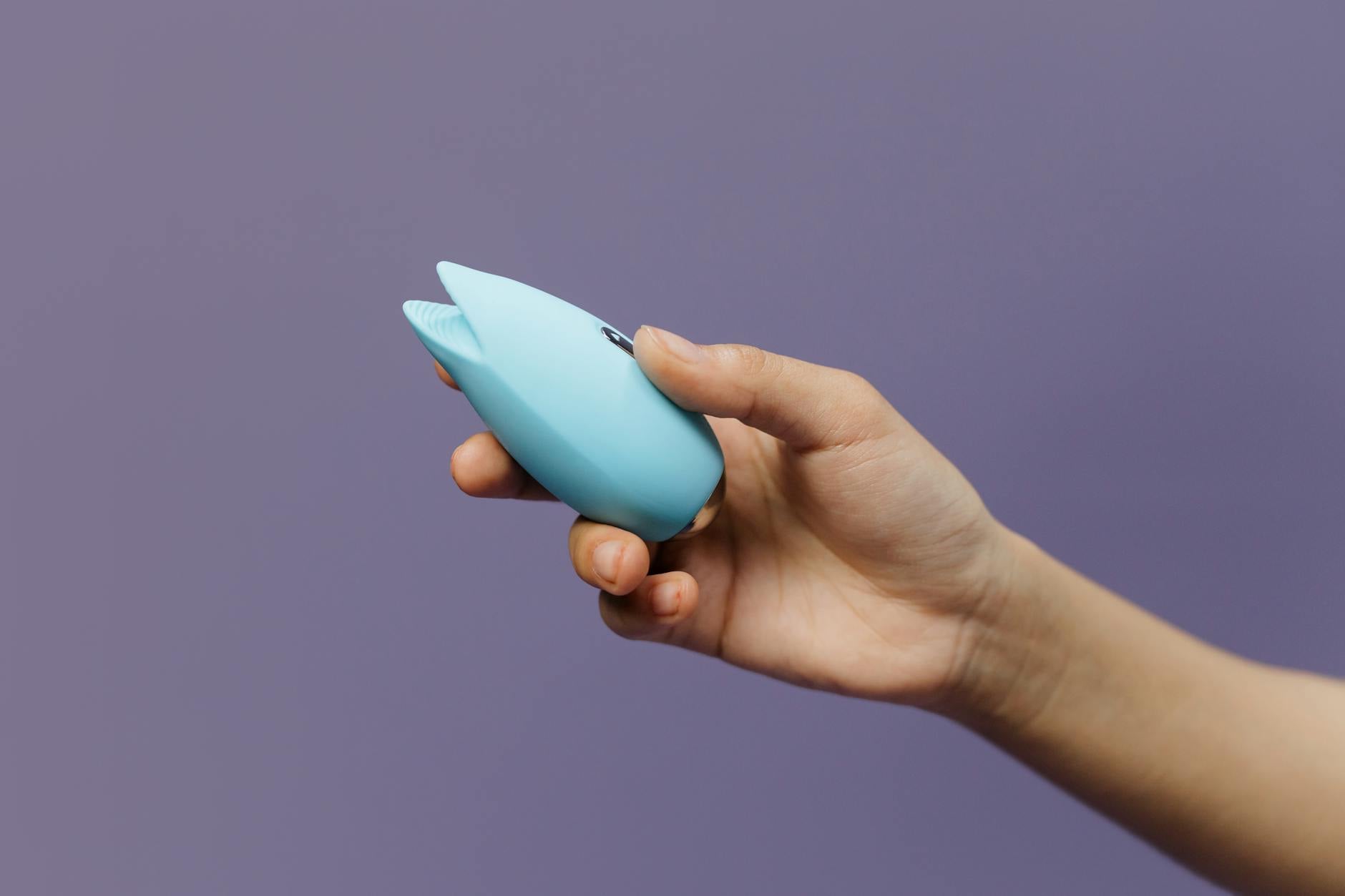
The disconnect is real, and it's more common than you think
Let's be real. You get home, pull open the drawer, turn on your lemon vibrator, and go through the motions. Five minutes later, it's over. Or worse, nothing happens at all. The device works fine. Your body works fine. But something between you and the experience has gone flat.
This isn't a failure of the tool. And it's not a failure of you. It's what happens when pleasure becomes routine instead of ritual.
What "mechanical" sex actually means
When solo play stops feeling good, it's usually not because the sensation has changed. It's because your mind checked out. You're touching your body the same way you'd fold laundry. Your lemon clitoral vibrator is doing what it's designed to do, but you're not actually present for it.
This happens for a few reasons. Work stress crowds your brain. You're using solo play as a sleep aid instead of as something you actually want. You've been using the same pattern at the same intensity for months, and your nervous system has stopped paying attention. Or you're rushing because you feel like you should want this more than you actually do right now.
The good news: mechanical sensation is fixable, and it doesn't require a new toy. It requires a reset in how you approach the time.
The pre-play mindset shift
Here's what changes everything. Stop treating solo play like a task on your to-do list.
Give yourself permission to not come. Seriously. Most of the pressure that kills pleasure comes from "I should orgasm in the next ten minutes." Remove that deadline, and suddenly your nervous system relaxes. You stop performing for yourself.
Ten minutes before you touch yourself, shift what you're doing. Put your phone in another room. Not just face-down. Actually remove it from reach. Your brain is wired to check notifications, and that competing attention is killing sensation. Dim the lights. Light a candle if that helps you feel intentional, or don't. The point is: you're signaling to yourself that this time is different from scrolling.
Take three slow breaths. Not meditation-style breathing. Just actually pause and feel your body in the space you're in. Notice temperature. Notice what your skin feels like against the sheets. This sounds simple because it is, but it's also the thing almost everyone skips.
How to rebuild sensation with your lemon vibrator
When your lemon sucker or Lem vibrator starts to feel mechanical, the fix is usually to slow down and change what you're paying attention to.
Start without the vibrator. Spend five to ten minutes touching yourself with just your hands. You might feel stupid doing this. You might feel impatient. Do it anyway. You're reminding your nervous system what sensation is. Notice texture. Notice pressure changes. Notice where you want more attention and where you want less.
When you pick up your lemon vibrator, don't go straight to the pattern that usually works. Start at the lowest setting. This matters because your brain has learned to tune out the intense vibration. Lower intensity forces you to pay closer attention, which sounds like less pleasure but is actually more.
Move it slowly across your vulva instead of holding it in one spot. This changes which nerves fire and keeps your attention from drifting. You're actively engaging with sensation instead of passively receiving it.
Pause. You read that right. Stop for fifteen seconds, put the vibrator down, and touch yourself with your hands again. Notice what changed. Did your skin get warmer? Did your clitoris swell slightly? This alternation between vibration and touch rebuilds the conversation between your body and your mind.
The rhythm that works
Mechanical sensation often comes from repetition without variation. You find a pattern that works, use it every time, and your body stops responding because it knows exactly what's coming.
Break the pattern. Start slow. Move to medium. Drop back to slow. Build to the higher patterns but don't stay there. This variation keeps your nervous system engaged. You're not just receiving sensation. You're riding it.
If you usually focus on your clitoris, spend part of your time on the broader vulva. The areas around your clitoris have different nerve density and can feel intensely good when you actually pay attention to them. Your lemon clitoral vibrator works perfectly for this because the suction pattern stimulates a wider area than traditional vibration.
Change position halfway through. If you're lying down, sit up. If you're on your back, roll to your side. Different positions change pressure and angle, and they also interrupt the automatic brain state that makes things feel mechanical.
When to check if something else is going on
If you've tried all of this and solo play still feels like a chore, it's worth asking whether disconnection is about arousal or about something deeper.
Are you actually wanting pleasure right now, or are you doing this because you think you should? That's different, and the answer matters. Sometimes the solution isn't a better technique. It's giving yourself permission to not do this today.
If disconnection from sensation is new and sudden, check your medications. SSRIs, some birth controls, and antihistamines can flatten arousal in ways that make even good stimulation feel muted. Talk to your doctor. There are often options.
If you've been stressed or grieving or in a relationship transition, your body might genuinely not be interested in pleasure right now. That's not broken. That's accurate. Solo play can wait.
If mechanical sensation is happening alongside other relationship or intimacy issues, that's worth exploring with a therapist who specializes in sexual health. Sometimes disconnection from self-pleasure reflects disconnection from your body in other areas.
Building a sustainable ritual
Once you've reconnected with sensation, the goal is to keep it sustainable. That means you're not forcing yourself to use your lemon vibrator on a schedule. You're checking in with actual desire.
Maybe solo play happens twice a week. Maybe it's once a month. The frequency matters less than the intentionality. You're doing it because you want the experience, not because you think you should.
Keep some element of newness. Rotate which patterns you use. Try a different room or time of day. Read something erotic first if that helps you get curious. Listen to audio that turns you on. The point is that you're actively choosing what this experience includes instead of defaulting to the same five-minute routine.
Remember that pleasure isn't linear. Some sessions are going to feel incredible. Some are going to feel meh. Some are going to feel like nothing clicks. That's not failure. That's variation, which is actually a sign your nervous system is still engaged and responsive.
Your relationship with yourself and with pleasure matters. A lemon vibrator is a tool that works beautifully when you're actually present for it. The mechanical feeling you're experiencing isn't a sign that something is broken. It's an invitation to reconnect.
FAQ: Rebuilding pleasure and sensation
Why does my lemon vibrator feel less intense over time?
Your nervous system habituates to stimulation. When you use the same pattern consistently, your body stops processing it as novel, so it registers as less intense even though the vibration hasn't changed. The fix is variation. Switch between patterns, take breaks, or alternate between vibration and manual touch to reset your sensitivity.
Can I use my lemon clitoral vibrator every day without losing sensation?
You can, but you'll probably maintain sensation better if you take occasional breaks. If daily use is what you want, rotate which patterns you use and spend part of your time on different areas of your vulva. The key is novelty within consistency.
What if my brain just won't quiet down during solo play?
That's actually one of the most common reasons pleasure feels mechanical. You're mentally somewhere else. Try a hard stop on thoughts by naming five things you can see, four you can feel, three you can hear, two you can smell. This regrounds your attention in your body. You can also try reading erotica first or listening to audio designed for arousal. These give your brain something to focus on besides the worry that's crowding your attention.
Is it normal to not want solo play for weeks at a time?
Completely normal. Desire fluctuates with stress, hormones, relationship status, and just life phase. If you're not feeling it, you don't have to force it. When you do feel curious again, the practices here will help you reconnect.
How do I know if mechanical sensation is related to a health issue?
If you're also experiencing other changes like fatigue, mood shifts, pain, or difficulty with partnered sex, talk to your doctor. If mechanical sensation appeared suddenly alongside medication changes, that's worth discussing too. If everything else feels fine and it's just that solo play has gotten routine, that's usually about ritual and presence, not health.
Can a different toy help if sensation feels flat?
Sometimes, but not usually. The issue is usually between your ears, not in the device. That said, if you've been using the same lemon vibrator for years, trying something different like air-suction technology can genuinely reset your nervous system's response. But the real work is internal.
The bottom line
Mechanical sensation during solo play isn't a reflection of your body or your capacity for pleasure. It's what happens when your mind checks out. The fix is simple in theory but requires real intention in practice: slow down, remove distractions, build variation into your routine, and remember that you're not trying to achieve an orgasm. You're trying to feel something. When you chase presence instead of outcome, pleasure usually follows.