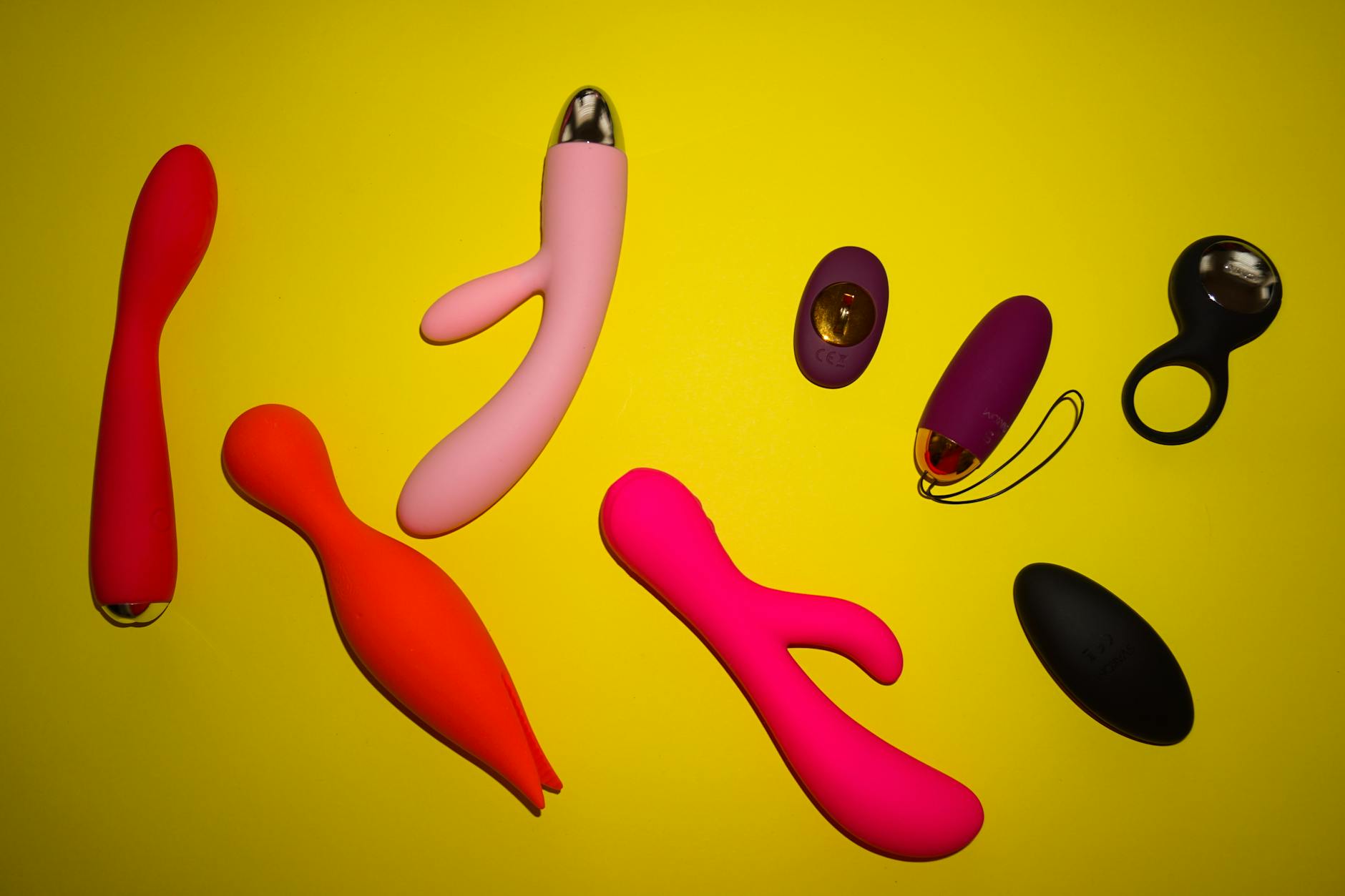
Let's be real about grief and your body
Grief doesn't just live in your chest or your head. It lives in your nervous system, your muscles, your skin. When you've lost someone important, your body goes into a kind of protective lockdown. Physical sensation feels wrong. Touch feels intrusive. And sex? Sex might feel like a betrayal of the person you're grieving, or a betrayal of your own sadness. All of that is completely normal.
Here's what most people don't know: your body's resistance to pleasure after grief isn't a sign that something's broken. It's a sign that you're grieving properly. And that same body can, slowly and safely, remember pleasure again. A lemon vibrator can be part of that rebuilding process.
Why grief shuts down physical pleasure
When you experience significant loss, your brain recalibrates your nervous system into a survival state. Cortisol and adrenaline spike. Your body deprioritizes anything that feels frivolous, including arousal. At the same time, pleasure becomes complicated. Part of you might feel guilty enjoying anything at all when the person you loved is gone. Another part of you might feel numb, as though sensation itself has been muted.
This is called grief-induced anhedonia. It's not depression exactly. It's a temporary rewiring of your reward pathways. The good news? It's also temporary. Your nervous system can relearn pleasure. It just needs safety, patience, and the right approach.
Solo pleasure as a reclamation tool
Working with a lemon vibrator or any clitoral vibrator alone, not with a partner, serves a specific purpose when you're grieving. It's not about performance. It's not about proving anything to anyone. It's about reconnecting with your own body in a space where you control everything.
Many of my clients find that solo exploration after grief feels less loaded than partnered sex. There's no one watching, no expectation, no sense of needing to be okay for someone else's sake. You get to be messy. You get to cry during it. You get to stop halfway through. This is your space.
Starting with sensation, not orgasm
If you're grieving heavily, the goal is never orgasm. That's the mistake most people make when they pick up a toy after loss. They think they need to feel pleasure again, immediately, and when it doesn't happen, they assume something's permanently broken.
Instead, start with sensation. The whole point of a lemon vibrator or similar clitoral vibrator is that it creates a very specific, localized sensation that doesn't require you to be aroused first. You're not waiting for your body to cooperate. The vibration itself does the work.
Begin at the lowest setting. Place the Lem against your vulva, clothed if you want, just to feel the vibration. Don't try to make anything happen. Just feel. This might feel strange. It might feel numb. Both are fine. You're training your nervous system that sensation is safe again.
The rhythm of rebuilding
Here's a six-week framework I recommend to grieving clients who want to rebuild physical intimacy with themselves.
Weeks 1-2: Five minutes, lowest setting, fully clothed. The goal is exposure, not arousal. Some days you'll feel nothing. Some days you'll feel something small. Both are progress.
Weeks 3-4: Five to ten minutes, lowest or second-lowest setting, skin contact. You're allowing your nervous system to register sensation against bare skin without the pressure of reaching any particular outcome.
Weeks 5-6: Ten to fifteen minutes, you're in control of intensity. If pleasure starts to emerge, great. If it doesn't, that's still success. You're rebuilding the neural pathway that says your body is safe for pleasure again.
Not everyone moves through this at the same pace. Some people take three months. Some take longer. The timeline matters less than the consistency. Your nervous system needs to know that this is safe, regular, intentional.
Why a lemon vibrator specifically helps
Clitoral vibrators like the Lem are designed with a particular kind of stimulation in mind. They use suction or targeted vibration that doesn't require you to achieve arousal first. This matters for grieving bodies because grief often creates a catch-22: you need arousal to feel pleasure, but you can't feel arousal because you're numb.
A lemon sucker or similar device bypasses that catch-22. The vibration itself can wake up nerve endings that have been dormant. You're not fighting against your nervous system. You're working with it.
Dealing with guilt
Many grieving people report feeling guilty about pleasure. How can you enjoy sex when the person you love is dead? How can you feel good when they suffered? This is one of the most common blocks I see in my practice.
Here's what I tell my clients: pleasure is not a betrayal of grief. Pleasure is a sign that you're alive. The person you're grieving would likely want you to have a full life, including a full sexual life. And even if they wouldn't, your healing matters. Your body's capacity for joy and sensation matters. These aren't selfish. They're essential.
If guilt comes up during solo sessions with a lemon vibrator, notice it. Don't push through it aggressively. But also don't let it stop you completely. Grief and pleasure can coexist. They do, in fact, coexist in most human healing.
When to involve a partner again
If you're in a relationship, your partner might want to move back into sexual connection before you're ready. This is common, and it's worth addressing directly. Sex after grief isn't the same as sex after a bad day. Your nervous system has been fundamentally altered. Rushing back into partnered sex can actually delay your healing.
I recommend rebuilding solo first, with a tool like a lemon vibrator, then gradually introducing a partner into that space. Maybe that means your partner sits quietly while you explore. Maybe that means they eventually help. But the pace of that transition should be entirely yours.
You might also find that your partner's touch, which used to feel good, now feels like too much. That's grief too. It can change your entire nervous system's relationship to touch. That's not permanent either. But it needs acknowledgment and patience.
The role of breathwork alongside your practice
When you're grieving, your nervous system lives in a shallow, quick breathing pattern. This actually prevents pleasure from building. Deep, slow breathing signals safety to your nervous system. It tells your body that this moment is not a threat.
When you're using a lemon vibrator, try pairing the sensation with intentional breathing. Breathe in for four counts. Hold for four. Exhale for four. This isn't spiritual or woo. It's physiology. Your vagus nerve responds directly to slow breathing, and that shifts your entire nervous system out of threat mode.
Knowing when to pause and seek support
If after eight to ten weeks of gentle practice with a clitoral vibrator you still feel completely numb and disconnected, it's worth talking to a therapist or grief counselor. Prolonged anhedonia can be a sign of complicated grief or depression. Both are treatable, and neither is a personal failure.
You're not broken. Grief is just very, very real. And so is your capacity to rebuild.
FAQs
Is it normal to feel nothing when using a lemon vibrator after grief?
Completely normal. Grief creates temporary numbness in your nervous system. Your body isn't broken. It's protecting itself. Many people report feeling nothing for the first two to four weeks. Consistency matters more than immediate sensation.
Can using a clitoral vibrator make grief worse?
Not if you approach it gently. In fact, many grieving people find that reconnecting with physical sensation, even in small ways, helps them move through grief rather than around it. If at any point it feels too heavy, stop and try again later. There's no rush.
Should I tell my partner I'm using a lemon vibrator while grieving?
That depends on your relationship. Some couples find that talking about solo exploration actually strengthens connection. Others prefer privacy during personal healing. What matters is honesty with yourself about what you need. If your partner asks, honesty is usually better than secrecy.
How long before sex feels comfortable again?
There's no standard timeline. Some people feel ready for partnered sex again in three months. Others take a year or more. The lemon vibrator is about rebuilding your relationship with your own body first. Everything else follows that.
Is it okay to use a lemon vibrator if I'm still actively grieving?
Yes. In fact, many therapists recommend it. Grief doesn't pause while you rebuild. You can grieve and also gently reconnect with pleasure. These aren't opposites. They're part of the same healing process.
What if my partner wants sex and I'm not ready?
You need to tell them. Clearly and compassionately. Your nervous system has been altered by grief. You're rebuilding. That's not rejection of them. That's self-preservation and healing. If your partner can't respect that timeline, that's a separate conversation worth having with a couples therapist.
You're not alone in this
Grief is one of the most isolating human experiences. It can make you feel like your body will never feel pleasure again, like you've somehow betrayed the person you lost by wanting to feel good. None of that is true. Your body wants to heal. Your nervous system wants safety and connection again. A lemon vibrator is just one small tool that can help you rebuild that connection to yourself. The real work is showing up, gently and consistently, and trusting that your capacity for pleasure isn't gone. It's just resting. And you're going to wake it up again.