The thing no one tells you about infidelity and sex
Betrayal rewires your nervous system. Not permanently. Not irreversibly. But right now, your body doesn't trust. It jumps at touch that used to be safe. It shuts down when you want it open. And worse, you might not even know which sensation triggers the shutdown until you're already there.
Rebuild starts alone. That's not sad. That's strategic.
Why solo pleasure matters more than partnered sex right now
After infidelity, the most common pattern I see is couples rushing back to sex to "prove" the relationship is fixed. It rarely works. Your nervous system needs to learn something first: that your pleasure is yours, separate from trust, separate from your partner's behavior, separate from what happened.
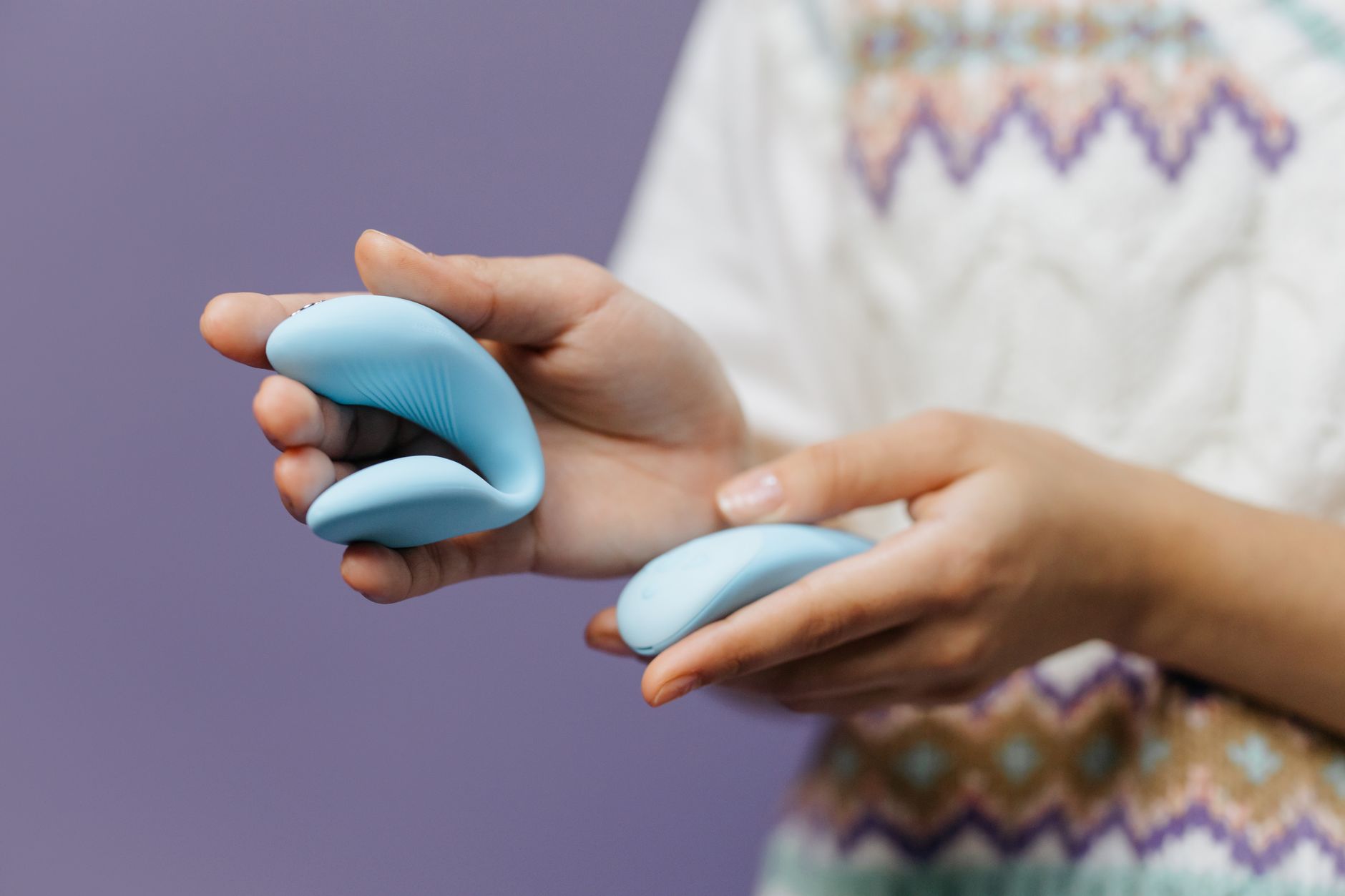
When you use a lemon vibrator alone, you're not performing. You're not managing your partner's feelings or proving anything to anyone. You're reconnecting with a sensation that belongs entirely to you. This matters neurologically. Your brain needs evidence that pleasure is still possible without the person who hurt you. That evidence rewires the fear.
Research on trauma recovery shows that reclaiming physical autonomy through masturbation supports nervous system regulation. You're literally teaching your body that it can feel good safely.
The specific mechanics of rebuilding arousal after trauma
Betrayal trauma often locks the body into a hypervigilant state. Your clitoris might feel numb because your nervous system is flooded. Or it might feel hypersensitive because you're braced for threat. Either way, sensation feels confusing instead of pleasurable.
A lemon vibrator helps because:
Suction creates a different sensation. Traditional vibration can feel like anxiety in your body right now. Suction (like what the Lem provides) feels more like massage, more like pressure release. It's stimulating without being intense. You control the pressure, the duration, the stopping point.
You can start with pattern one. Most people dive straight to settings three or four. Resist that. Start at the lowest pattern. Spend five minutes there. Your goal isn't orgasm. It's sensation without overwhelm.
Rhythm is yours to set. With a partner, there's always negotiation (conscious or not). With a toy, there's no negotiation. This autonomy is healing. Use it.
Creating the safety structure first
Before you even reach for the lemon vibrator, three things need to be in place:
Physical privacy without apology. You need locked doors and time alone. Not stolen moments. Not rushed sessions. Thirty minutes where your phone is away and you're not listening for footsteps. If you're living with your partner during recovery, this might mean a conversation: "I need this time alone. It's part of my healing." That's not selfish. That's necessary.
Emotional permission. The guilt is probably significant. You might feel like you're "cheating" on reconciliation by pleasuring yourself alone. You're not. You're building the foundation for genuine intimacy later. This is repair work, not betrayal.
Clear stopping points. Decide in advance when you'll stop. Not when you feel like stopping. When you decide now. This gives your nervous system permission to relax into the experience instead of staying on guard for when to shut down.
The step-by-step path forward
Week one and two. Exploration without expectation of orgasm. Use the lemon vibrator on pattern one for five to ten minutes. Notice what patterns feel good without judgment. Notice what brings you back to your body versus away from it. Many people find that suction around the clitoral hood (rather than direct clitoral contact) feels safer and more grounding.
Week three and four. Introduce slightly longer sessions and patterns two or three if patterns one still feels light. If your body wants to shut down, stop immediately and rest. There's no failing here. Your nervous system is learning.
Week five onward. You might find yourself reaching longer durations or higher intensities. Or you might not. Both are fine. The goal is consistency, not escalation. Two or three times per week teaches your body that pleasure is reliable and safe.
During this entire phase, keep partnered sex separate. Don't try to translate this solo experience into partnered sex yet. They're different nervous system states, and rushing to combine them short-circuits the healing.
What happens when your partner wants to join
This conversation usually arrives around week six or eight, when you're starting to feel grounded in your own pleasure again. Your partner might ask to participate. You might feel ready to try. Here's how to navigate it:
Stay in control of the toy. If you use the lemon vibrator with your partner present, you hold it. You decide the intensity. You stay in your body, not in managing theirs. This is the boundary that makes partnered exploration feel safe rather than coercive.
The toy doesn't replace the work. A vibrator won't fix infidelity trauma. Therapy, honest conversation, and rebuilt trust do that. The toy is just a tool for reconnecting with your own arousal. It's not a fix for the relationship.
It's okay if you're not ready. If your partner suggests partnered exploration and your body says no, that's complete information. It means you need more solo time. There's no timeline for this.
When numbness won't lift
If you're three months into solo sessions with the lemon vibrator and your clitoris still feels numb or disconnected, that's not a failure. That's a signal. Sometimes trauma locks the body in place more deeply than solo pleasure can unlock.
A therapist trained in somatic experiencing or trauma-informed sex therapy can help. So can a gynecologist, especially if you've started antidepressants or other medications that affect arousal. Numbness might be neurological, hormonal, or deeply psychological. Professional support isn't giving up. It's using the right tool for the job.
The emotional piece that changes everything
At some point during this process, something shifts. You realize you're not using the lemon vibrator to prove you're okay or to hurry healing. You're using it because it feels good. Because your body is yours. Because pleasure isn't connected to betrayal or trust or your partner's choices anymore. It's just yours.
That's when you know you're actually rebuilding. Not performing recovery. Actually rebuilding.
People also ask
How soon after infidelity should I start using a vibrator again?
There's no universal timeline. Some people feel ready within weeks. Others need months. The question isn't "how soon" but "am I doing this for me or to fix my relationship?" If it's the latter, wait. Solo pleasure heals when it's purely about you, not about proving anything to your partner or rushing reconciliation.
Can using a lemon vibrator alone speed up trust rebuilding with my partner?
Indirectly, yes. When you're confident in your own pleasure and nervous system, you're less dependent on your partner to provide sexual validation. That shifts the entire dynamic. You're not performing for them. You're choosing them. That difference, over time, can actually deepen trust.
Will my partner feel threatened if I use a clitoral vibrator alone?
Some partners will. That's their wound to examine, not your problem to solve. Using a toy for solo pleasure isn't infidelity. It's self-care. If your partner frames it as cheating, that's a conversation with a couples therapist, not something that should stop you from healing.
What if I have no sensation in my clitoris after betrayal?
Numbing is a common trauma response. Start anyway. Use the lemon vibrator on the lowest pattern, not for orgasm, but for sensation awareness. Your nervous system may need weeks or months of gentle input before sensation returns. A trauma-informed sex therapist can accelerate this process.
Is it normal to feel guilty about enjoying a vibrator while rebuilding a relationship?
Completely normal. Guilt often signals that you've internalized the false belief that your pleasure belongs to your partner or that you owe them sexual availability. You don't. Reclaiming solo pleasure isn't selfish. It's necessary boundary work. The guilt will fade as your nervous system learns that your pleasure and your relationship can exist separately.
When should I introduce my partner to the lemon vibrator during sex?
Only when three conditions are met: you feel grounded in your own arousal alone, your partner has done their own work around the infidelity, and you're having honest conversations about what happened. Using a vibrator won't heal a relationship that's still broken. It just becomes another casualty of unresolved trauma.
Moving forward
Rebuild doesn't follow a straight line. Some weeks you'll feel grounded and confident. Other weeks your nervous system will spike and you'll need to go backward. That's not failure. That's healing. The lemon vibrator is just one tool. Therapy, honest conversation, time, and your own patience are the heavier tools that do the real work.
Your pleasure matters. Not someday. Now. Starting alone teaches your body that truth.