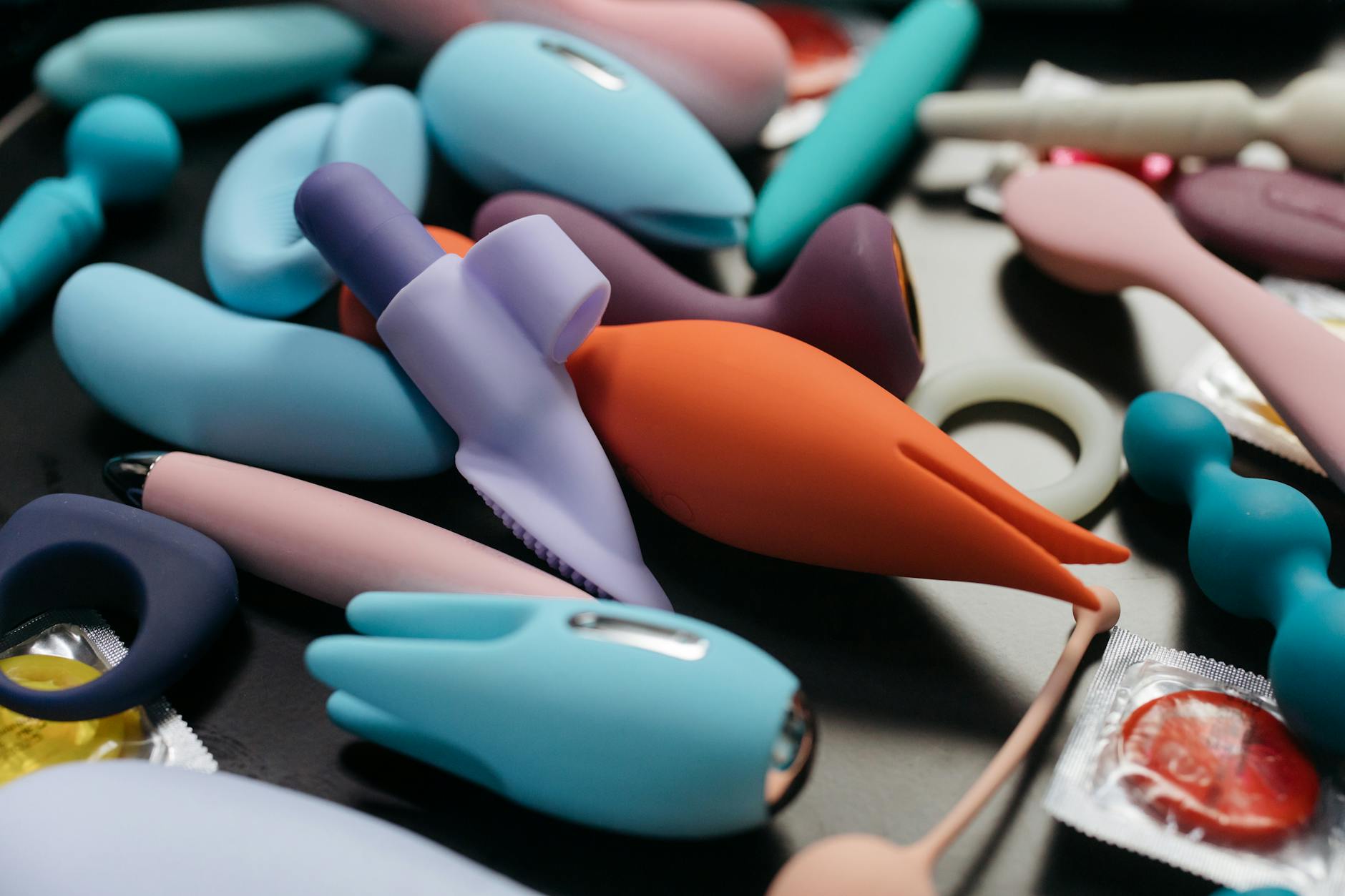
Here's the tension nobody talks about
One of you wants to bring a vibrator into the bedroom. The other is thinking: "Is this about me not being enough? Am I failing at something?" Or maybe they're just uncomfortable with the idea of toys, period. Awkward silence. One partner feels rejected. The other feels pressured. And suddenly what could have been exciting is just... tense.
This mismatch is one of the most common relationship blocks I see in my practice. And it's fixable, but only if you stop treating it like a negotiation and start treating it like information.
Why the hesitation happens (and it's not what you think)
When one partner resists toys, people assume it's about insecurity or prudishness. Sometimes it is. But more often, it's about control, vulnerability, or simple unfamiliarity.
Some people grew up in environments where pleasure was taboo. Others worry that introducing a toy means their partner is bored or looking for something they can't provide. Some are just overwhelmed by the number of options and don't know where to start. A few genuinely don't feel the desire to use toys, and that's valid too.
The resistant partner isn't the problem. The assumption that they need to be convinced is.
The conversation that actually works
Don't pitch the idea. Invite curiosity.
Instead of: "I want to try toys. Are you open to it?" (which demands an answer right now), try: "I've been thinking about how we could both feel more pleasure. I found something I'm interested in exploring. I'd love to understand what your thoughts are, no pressure either way."
That second version does three things:
First, it centers mutual pleasure, not your desire to use a toy. Second, it acknowledges that curiosity exists on your end without making it a test of their willingness. Third, it genuinely invites them to share what's actually going on for them.
Then listen. Don't defend. Don't try to logic them into comfort. If they say "I feel weird about it," ask what specifically. "Weird" is vague. Is it embarrassment? Concern about pressure? Fear of pain? Worry that you'll prefer the toy to them? Each reason has a different solution.
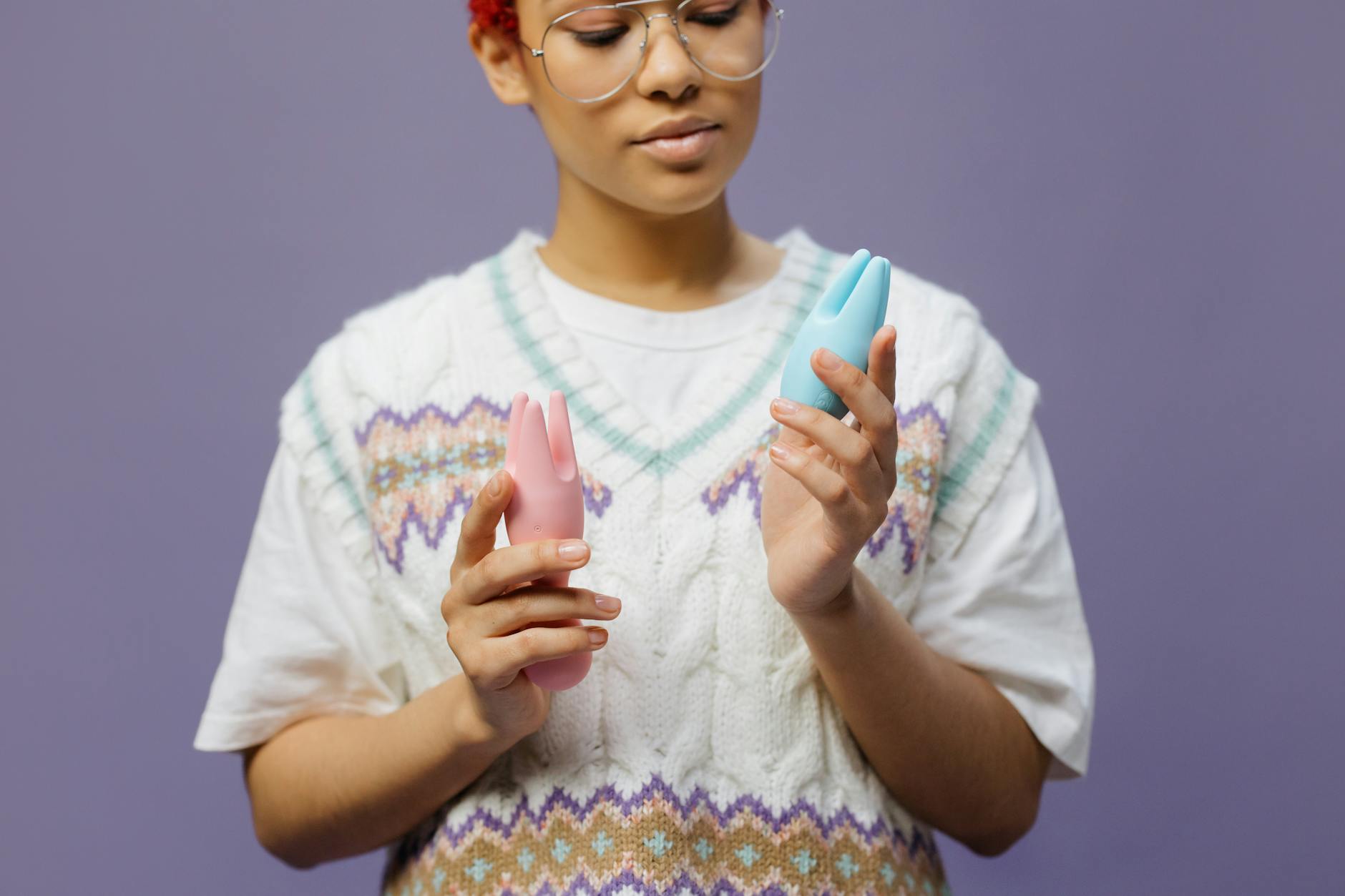
Photo by cottonbro studio on Pexels
What actually reassures a hesitant partner
Three specific moves:
1. Show them the tool. Not in a seductive way. Just as an object. Let them hold a lemon clitoral vibrator. Let them feel the weight, see the size, understand it's not intimidating. A lot of fear evaporates once someone realizes a vibrator is much smaller and less intense than they imagined.
2. Explain the mechanics without overselling. "This uses gentle suction to stimulate the area. It's designed to feel nothing like a partner. It's an addition, not a replacement." Be matter-of-fact. Clinical detail removes shame.
3. Make it about sensation, not performance. If your hesitant partner thinks a toy is a shortcut to faster orgasms, they'll worry you're impatient. If they understand you're curious about sensation or variety, that's different. Say: "I want to explore what feels good for both of us" instead of "I want to come faster."
Then give them time. Not everyone warms up immediately. Some people need weeks to feel okay with the idea. That's okay.
Starting small if they're reluctant
If your partner is still hesitant after a genuine conversation, don't push. Instead, invite them into a smaller experience.
Suggest starting with solo exploration on your end. Use the lemon vibrator alone, with their knowledge. Tell them afterward what you noticed. "I liked the sensation on the sides more than directly on top. I'm curious if that changes what we do together." This removes the pressure of performance and makes it educational rather than threatening.
Alternatively, suggest watching together without pressure to use it. Some people become more comfortable with toys by observing them in action before trying them.
Or reframe it: Instead of "Let's use this vibrator during sex," try "Can I use this on you to see what sensation you prefer?" You're taking the lead. They're receiving pleasure. That shift in dynamic often makes hesitant partners feel less vulnerable.
When comfort levels diverge and stay diverged
Here's what I tell couples where one person has enthusiastically embraced toys and the other hasn't budged: a mismatch in desire isn't failure.
It's okay if one partner uses lemon vibrators for solo pleasure and the other doesn't participate. It's okay if one person brings a toy into partnered sex and the other never touches it. You don't have to want the same things to want each other.
What matters is respect and communication. If your partner has said "I'm not interested," accept that. Don't bring it up in bed hoping they'll change their mind. Don't buy them toys as a gift expecting gratitude. Don't punish them by withholding your own pleasure.
Conversely, if you've said "I want to explore this," your partner doesn't get to shame you for it. They don't get to pretend you didn't have that conversation and then feel betrayed when you follow through.
The actual magic moment
Most of the couples who successfully navigate this difference report that curiosity wins out eventually. Not because one person convinced the other, but because shame and pressure lifted.
Once a hesitant partner realizes their "no" is actually respected, and their feelings won't change the outcome, something shifts. The conversation stops being a negotiation and becomes an exploration. Sometimes that leads to "Okay, I'm actually curious now." Sometimes it leads to "This isn't for me, and I'm fine with you exploring it."
Both are healthy outcomes. The unhealthy one is where one person gives in to avoid conflict while secretly resenting it, or where the other person feels they won the argument but lost trust.
When to involve a professional
If you've had the conversation multiple times and it keeps ending in hurt or defensiveness, that's a sign the real issue isn't about the vibrator. It's about something deeper: control, anxiety, trust, or intimacy.
A couples therapist or sex-positive relationship coach can help you untangle what's actually at stake. Sometimes it's worth having that support.
FAQ
Does using a vibrator mean my partner doesn't want me?
No. A vibrator is a tool for sensation, not a replacement for a partner. Most people who use vibrators in couples' sex actually report feeling more connected, not less, because there's less pressure and more pleasure to share. Your partner wanting to explore sensation doesn't reflect on your desirability.
How do I bring this up without sounding like I'm criticizing their performance?
Lead with curiosity, not critique. "I've been thinking about sensation and pleasure" is different from "I need more stimulation." One is exploration. The other sounds like complaint. Frame it around what you want to discover together, not what's missing now.
Is it normal to feel intimidated by a partner's interest in toys?
Completely. Many people internalize the false belief that a partner's pleasure with a tool somehow diminishes their own role. That's worth examining, ideally with a therapist. Your partner's pleasure isn't competition. It's something you both get to benefit from.
What if I've tried everything and my partner still refuses?
Then you have a choice about what that boundary means for you. Some people are fine with that limit. Others aren't. That's not a judgment on either of you. It's information about compatibility around this specific desire. You can explore whether it's truly a dealbreaker or whether you can live with the boundary. But you can't force someone past their "no."
Can a lemon clitoral vibrator make things less awkward if my partner is nervous?
Yes, sometimes. The gentleness of a suction vibrator like the Lem can feel less intense or intimidating than a traditional vibrator. Its design is also less phallic, which some nervous partners find less threatening. But the tool only works if the emotional foundation is there first. Start with conversation before introducing the toy.
How long does it usually take for a hesitant partner to warm up?
It varies wildly. Some people shift in days once they feel genuinely supported. Others need months. Patience without resentment is key. If you're feeling frustrated by the timeline, that's worth examining. It might mean you need more reassurance, or it might mean you have a compatibility question on your hands.
The real work is before the toy arrives
Honestly, the lemon vibrator itself is almost irrelevant. The work is the conversation, the listening, the willingness to sit with discomfort on both sides without demanding immediate comfort.
One partner gets to be curious. The other gets to move slowly. Neither gets to shame the other. That's the agreement that makes it possible.
Once you have that foundation, the tool just becomes a way to deepen what's already there. And that's when the real exploration begins.
If you're navigating this dynamic and feel stuck, a conversation with a relationship specialist can help. You don't have to figure this out alone. Reach out at any point in the process.