
The mismatch nobody talks about
Here's the thing about blended orgasms: they're not actually rare or complicated. Most people who have a vulva can access them. But they require internal and external stimulation happening at the same time, which means your partner needs to understand that clitoral focus alone, however skilled, is only half the equation.
The frustration I hear most often isn't "my partner won't touch me." It's "my partner touches my clitoris like it's the only part of me that matters, and I end up faking orgasms because I can't get them to understand I need more."
Why partners default to clitoral focus
It's not ignorance, usually. It's efficiency. The clitoris has 8,000 nerve endings concentrated in a small area, so it's the fastest, most reliable path to orgasm. Your partner learned early that focusing there works. Which it does. Just not for everyone, and not for everything.
Blended pleasure involves the vaginal wall, the g-spot, the anterior fornix, and the clitoris all firing at once. That requires coordination, stamina, and willingness to slow down and vary the rhythm. A lot of partners avoid it because it feels less straightforward.
A lemon vibrator changes the dynamic because it removes the pressure from your partner's fingers or tongue to do all the clitoral work. Now they can focus on penetration or internal stimulation while you handle the external sensation yourself.
Setting the conversation up for success
Don't lead with "you're doing it wrong." That triggers defensiveness immediately. Instead, start with desire: "I want to explore something with you. I think I could have incredible orgasms if we combined what you're doing inside with direct clitoral stimulation at the same time."
Then make it collaborative, not corrective. "I'm curious if you'd want to try using a toy with me so we can both focus on what feels best." Notice the shift. You're not saying he's failing. You're saying you want to deepen the experience together.
Some partners hear "vibrator" and feel threatened, like they've been replaced. Get ahead of that by being specific about what you're asking for: "I want you inside me while I use this. I want to feel you and the vibrator at the same time." That's a union, not a substitution.
How a lemon vibrator actually changes the dynamic
The lemon clitoral vibrator works for this specific situation because it's small enough not to intrude on your partner's access. Your partner can be fully present internally while you're handling external stimulation independently.
The suction mechanism is different from a traditional vibrator, which matters here. It doesn't numb the area through relentless buzzing. It creates a pulsing sensation that builds sensation gradually, which means you're less likely to reach orgasm before your partner is ready. That synchronization is what makes blended pleasure possible.
Start with your partner outside you. Use the lemon vibrator on your clitoris until you feel arousal building. Get comfortable with how it feels at different intensities. Then, once you're warmed up, have your partner enter you slowly while you continue with the toy. The rhythm doesn't have to be synchronized perfectly. You're aiming for stacked sensation, not choreography.
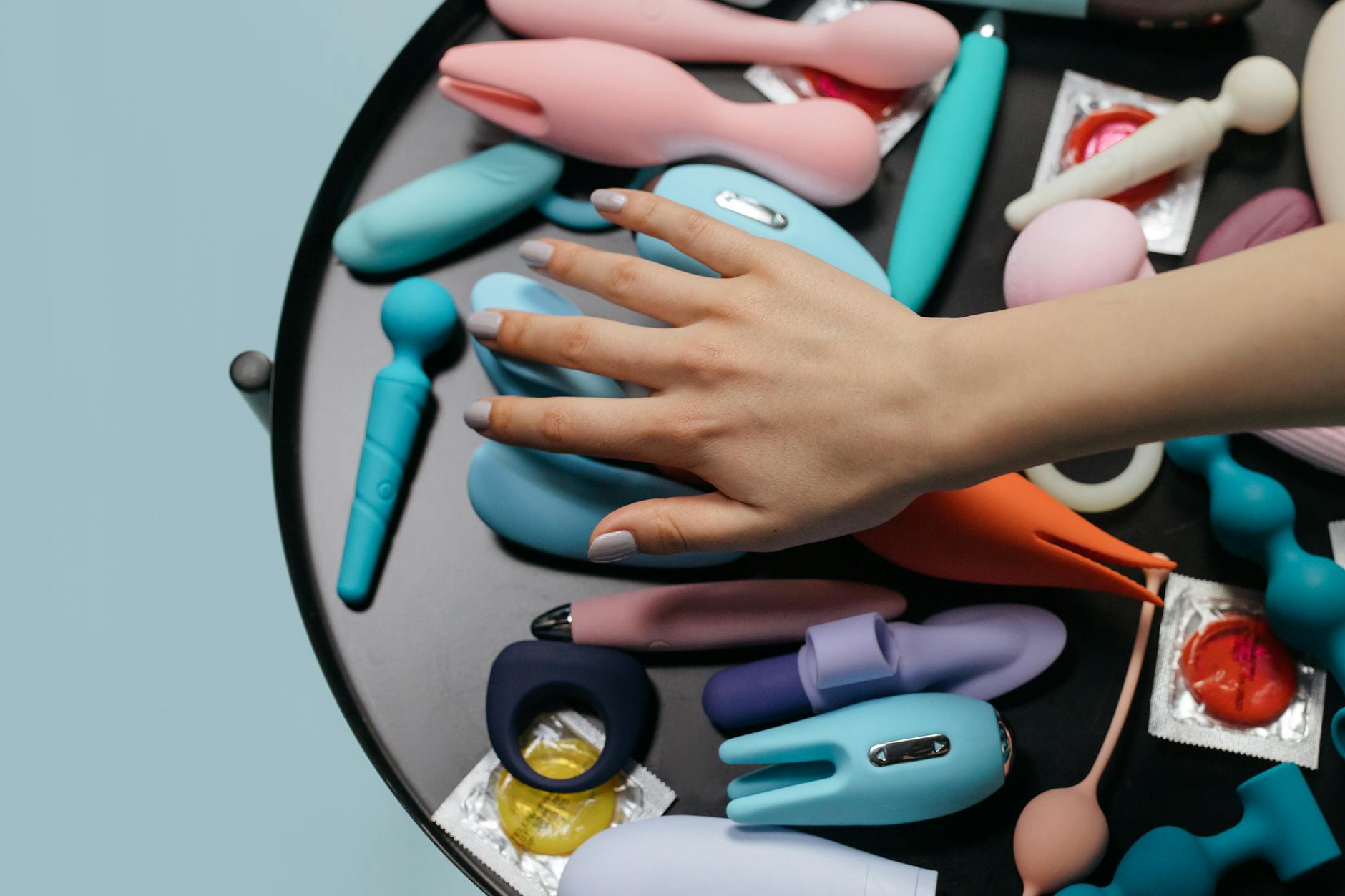
Photo by cottonbro studio on Pexels
The actual mechanics that work
Blended orgasms aren't accidental. They happen when three things align: internal fullness, external stimulation, and mental relaxation. Most people fail on the third one because they're too focused on the first two.
When your partner enters you, have them find a slow, steady depth rather than thrusting. Micro-movements work better than full strokes. Their job is to stay relatively still and let you control the motion with the lemon vibrator. You're leading the rhythm because you're the one who knows what combination of internal pressure and external sensation triggers that deeper response.
The intensity curve matters. Start the vibrator on a low setting. As your partner goes deeper or your arousal intensifies, you can increase the vibrator's intensity. The two sensations shouldn't peak at the same moment. Usually, you'll feel clitoral sensation building first, then internal pressure adding weight to it. That layering is the blended part.
If your partner finishes before you do, don't stop. A blended orgasm often takes longer than a clitoral-only one because you're working with multiple pleasure systems. Your partner can stay inside you while you continue with the vibrator, or they can move to using their hands inside you while you keep the toy steady. The point is mutual presence, not simultaneous peaks.
What kills the experience (and how to avoid it)
The biggest mistake is trying to blend orgasms while your partner is still performing. If they're focused on thrusting or moving, they can't pay attention to your cues. If you're focused on his rhythm, you can't focus on your sensation. That's why a tool like the lemon vibrator works so well. It gives you agency.
Second mistake: assuming one try is enough information. Blended pleasure is a skill. You'll be awkward the first time. Your timing will be off. Your partner might climax before you're ready. That's not failure. That's practice. Frame it that way from the start.
Third mistake: using a lemon vibrator as a replacement for conversation. The toy is a prop, not a translator. You still have to name what you want. "Go slower." "That pressure is perfect." "I need more intensity." Partners aren't mind readers, and a vibrator doesn't change that.
When your partner still resists
Some partners genuinely believe that bringing a toy into partnered sex means they're inadequate. That's a story they're telling themselves, not a fact. The most secure, confident partners understand that pleasure is collaborative. A vibrator isn't a competitor. It's a tool that makes more types of pleasure possible.
If that resistance persists after you've explained what you want and why, that's actually important information. It might mean your partner is dealing with performance anxiety, insecurity, or a different philosophy about intimacy than you have. That's not something a toy solves. That's something a conversation with a couples therapist can help with.
But most of the time, resistance softens once partners try it. The experience of being inside someone while they're getting clitoral pleasure simultaneously is intense and intimate for a lot of people. It feels less like they're being replaced and more like they're part of something bigger.
How to introduce the actual tool
Don't surprise your partner with a vibrator mid-sex. Talk about it first. Show them the lemon clitoral vibrator. Let them hold it. Explain the suction mechanism if they're curious. Answer the questions they don't ask but are clearly thinking.
Then, when you're actually intimate, start alone if possible. Use it by yourself first while your partner watches or while you're together but not penetrating. Get them used to the sight and sound of it. Normalize it.
The first time you use it during partnered sex, go slow. Your partner enters you after you've already been using the vibrator for a bit. That way, your body is already aroused and responsive. They're joining a pleasure session that's already happening, not initiating something new and unfamiliar.
After that first time, check in. Not in a demanding way. Just curiosity: "How was that for you?" Listen for genuine feedback, not just reassurance. If they say they felt disconnected or rushed, that's useful. If they say they loved how intensely you orgasmed, that's useful too.
The pleasure equation actually changes
Once you've experienced blended orgasms with a partner, especially with the focused sensation of a lemon vibrator, something shifts. You realize your body is capable of more than you thought. Your partner realizes their role is deeper than just performing. That changes the entire dynamic of intimacy.
You're no longer trying to chase one specific type of pleasure. You're building a landscape of sensation where multiple things can happen at once. Some sessions, you'll focus on blended pleasure. Other times, you'll want clitoral-only intensity or internal pressure. Having options means you're not stuck in one groove.
The relationship benefits extend beyond sex too. Couples who can communicate about pleasure, who can ask for what they want and listen to what their partner needs, tend to communicate better about everything else. You learn that vulnerability isn't weakness. You learn that your partner's pleasure isn't your job to engineer alone. You learn to play together.
That's what a lemon vibrator can unlock in a partnership where clitoral focus has been the default. Not just better orgasms. Better intimacy.
FAQ
Can you have a blended orgasm with a clitoral vibrator alone, without penetration?
Some people can. Others need that internal fullness to really feel the blend. A lot depends on how your body responds to internal pressure. If penetration doesn't intensify your pleasure, then a blended approach might not be your thing, and that's completely fine. Focus on what actually works for you.
What if your partner climaxes really quickly and blended orgasms feel impossible?
This is common and it's not about the toy. It's about stamina and communication. Your partner might benefit from lasting longer through techniques like the start-stop method or deep breathing. That said, you don't have to wait for your partner to penetrate you to use your lemon vibrator. Use it solo or with them present but not inside you. Pleasure doesn't have to be simultaneous to be partnered.
Is it normal for a blended orgasm to feel different from a clitoral-only orgasm?
Completely normal. Blended orgasms often feel deeper and longer because you're involving more nerve pathways. Some people describe them as waves instead of peaks. Some feel more internal. Every body is different. The point is that you get to explore what feels best to you, not what's supposed to feel best.
How do you use a lemon vibrator if your partner is sensitive about toys?
Start the conversation before you ever introduce the tool. Use language that positions the vibrator as part of connection, not a replacement. "I want to feel you and this sensation at the same time. I want that with you." Frame it as an expansion of your pleasure together, not a fix for what's lacking. Some partners come around once they see how much pleasure it creates for you. Some take longer. Be patient but also honest about what you need.
Can a lemon clitoral vibrator help if you've never had a blended orgasm?
It's possible. The focused sensation of the lemon vibrator, combined with internal stimulation, creates a really accessible pathway to blended pleasure. But try it without the pressure of "achieving" a blended orgasm. Just explore sensation. Notice what happens when your partner goes deeper while the vibrator is on. Notice what intensity feels good. Orgasm might follow. It might not. Both are okay.
What if clitoral stimulation during penetration actually makes you uncomfortable?
Then blended orgasms aren't your thing and that's completely valid. Some people find clitoral stimulation during penetration overstimulating or confusing. Your body knows what it wants. Honor that. There are infinite ways to have pleasure. You don't have to chase the one that doesn't feel good.
What actually matters here
The lemon vibrator is just a tool. What matters is that you and your partner are willing to have the uncomfortable conversation about what you both need. About what feels good and what doesn't. About the difference between pleasure that works fine and pleasure that feels transcendent.
Most couples stay stuck in one mode of intimacy because it's easier than asking for something different. But that's how resentment builds. That's how people end up faking orgasms for years. You deserve pleasure that actually feels good to you, not just pleasure that works for your partner.
If you're struggling to have this conversation, or if the mismatch feels bigger than just sexual preference, talking to a couples therapist can help. There's no shame in getting support navigating intimacy transitions. That's actually what trained professionals are for.