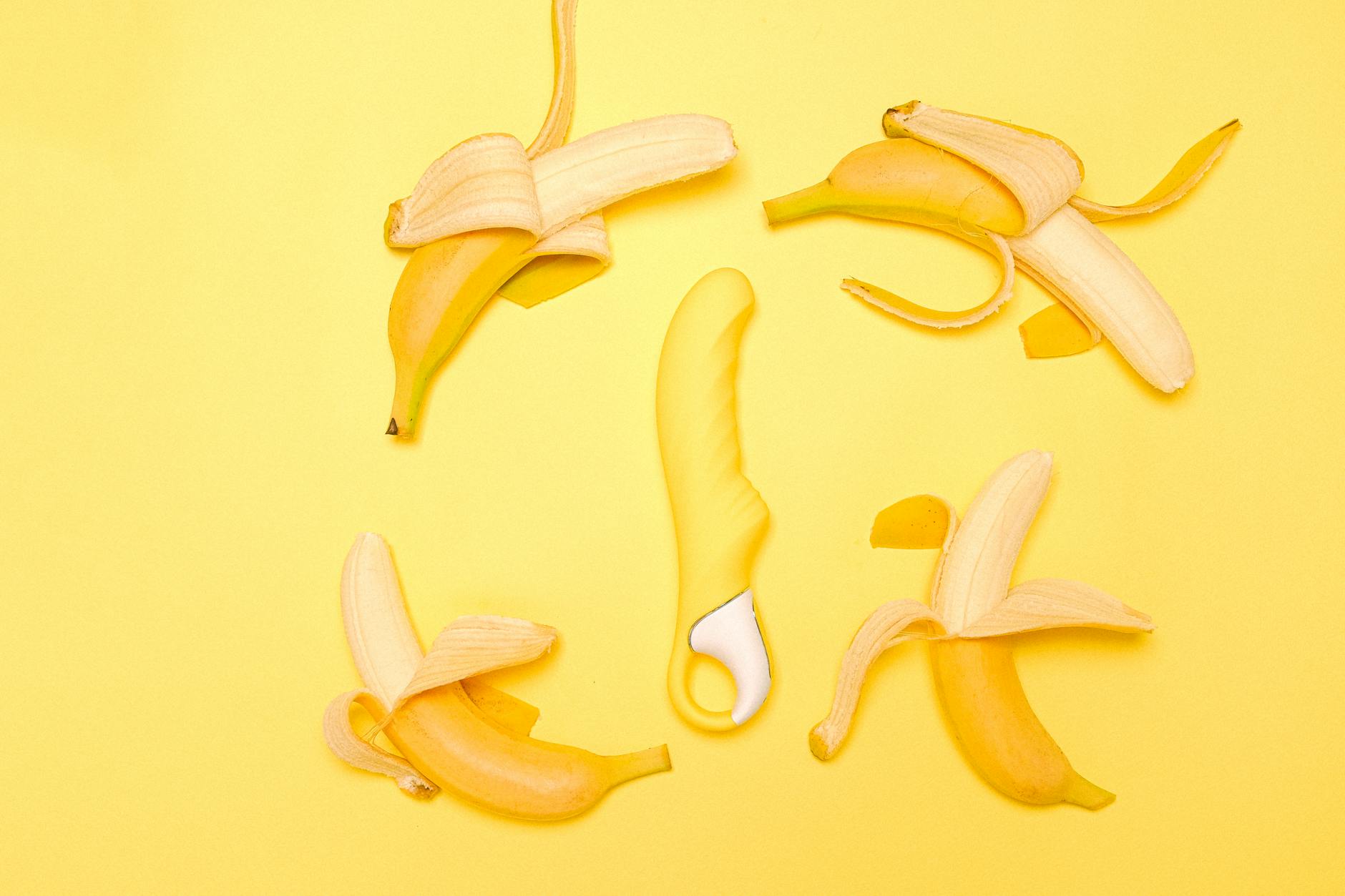
How to Use a Lemon Vibrator When Partner Pressure Ruins Arousal
Let's be real: nothing kills arousal faster than feeling like you're performing instead of experiencing. When your partner has expectations about how quickly you should respond, how long you should last, or what kind of pleasure should look like, your body often shuts down entirely. It's not a malfunction. It's a completely rational response to pressure.
The irony is that many people turn to sex toys hoping they'll "fix" the problem, when what actually needs fixing is the dynamic. A Lemon clitoral vibrator can't erase pressure, but it can help you reclaim your own pleasure independent of that dynamic. And that shift, honestly, often fixes the relationship part too.
The neuroscience of pressure and arousal
Here's what happens in your brain when your partner expects you to be aroused: your amygdala activates. That's your threat-detection center. Your nervous system reads expectation as a micro-threat, and when you're in threat mode, your body literally cannot access the parasympathetic (rest and relaxation) state that arousal requires.
You're not broken. You're not being difficult. You're having a completely normal nervous system response to pressure. The tension your partner senses, the slow buildup, the difficulty coming, the need to fake it? All of that is your body protecting itself from what feels like a demand.
When you use a Lemon vibrator alone, without an audience or expectation, your nervous system relaxes. There's no one to perform for. No timeline to meet. No external measure of success. That's when real arousal can actually begin.
Why pressure affects people differently
Some people thrive with a partner's focused attention. Others find it paralyzing. Neither is better or worse, but mismatched expectations about this create real friction.
If your partner needs active, visible signs of arousal as validation or reassurance, and you freeze under that scrutiny, you're operating from fundamentally different nervous systems. You're not incompatible. You just need a different framework for how pleasure works in your relationship.
A Lemon vibrator becomes useful here because it lets you prove something to yourself first: that arousal isn't actually broken. It's just context-dependent. When you experience full, easy pleasure alone, you have concrete evidence that the problem isn't your body. It's the dynamic.
Setting expectations before using a toy together
If you decide to bring a Lemon clitoral vibrator into partnered sex, set boundaries first. This matters more than the toy itself.
Say clearly: "I want to use this for my own pleasure. You're welcome to be in the room. I'm not using it because anything about you is wrong." Then actually mean it. If your partner makes comments about it being unnecessary, or hints that your body should respond faster, that's not about the toy. That's a compatibility issue that needs a separate conversation.
Use the Lemon on the lowest settings first. You're teaching your body that arousal can happen on your timeline, not anyone else's. This isn't rushing to an orgasm. It's the opposite. You're intentionally going slow, noticing what actually feels good, not what you think should feel good.
Many partners find that watching becomes less about spectating and more about genuine connection once they understand they're not responsible for fixing anything. Your pleasure isn't their job. Your pleasure is yours. That shift is huge.
Solo pleasure as a reset button
The most valuable thing you can do right now is use a Lemon vibrator completely alone, without any plan to involve a partner.
Set a time when you won't be interrupted. Put your phone away. Don't set a goal of orgasm. Instead, spend 15 to 25 minutes exploring what actually feels good without pressure. Start on setting 1 or 2. Notice the buildup. Stop if you want to. Restart whenever. This is less about mechanics and more about relearning that your body can want things on its own terms.
After a few weeks of this, two things usually happen: first, your arousal comes back because there's no external pressure attached. Second, you feel more confident during partnered sex because you know what your body is capable of. You're not performing. You're sharing something real.
How to talk to your partner without it becoming an argument
Here's the trap: most people try to explain this by saying, "You're making me feel pressured," and that lands like blame. Your partner hears it as criticism. Their nervous system activates in response. Conversation ends in defensiveness instead of understanding.
Instead, try: "I want to rebuild my own arousal on my own timeline. Using a Lemon vibrator solo is part of that. It's not about you missing something. It's about me learning what I actually want again."
That frames it as self-care, not criticism. It's true, and it doesn't trigger the same defensive response.
If your partner insists that your pleasure is somehow about their adequacy, that's a different problem. That's about their insecurity, not your arousal. Those conversations are worth having, but they might need a therapist or counselor to navigate.
The difference between healthy challenge and pressure
There's a distinction worth making: some couples enjoy a little playful challenge. That's different from pressure.
Challenge is consensual. Both people are engaged. Pressure is one person needing something from the other, and that need becoming more important than the other person's comfort.
A Lemon vibrator is neutral. It doesn't inherently solve pressure, but it does give you a way to have pleasure that's entirely outside that dynamic. Once you experience that, it gets easier to recognize what's actually happening in your relationship. You can see the pressure more clearly because you have something to compare it to.
What happens after a few weeks of solo use
Most people report three shifts:
First: arousal comes back faster because there's no performance anxiety. Your body trusts the context.
Second: you're more aware of what you actually want, separate from what you think you should want. That confidence shows up in partnered sex.
Third: you often want more solo pleasure, not less. That's normal and healthy. It's not a sign that something is wrong with your relationship. It's a sign that you've reclaimed your body.
Some partners struggle with this shift. They see it as rejection. It isn't. It's independence. And healthy relationships actually need that balance.
When to involve a professional
If your partner's pressure escalates to coercion or manipulation when you introduce boundaries, that's a sign you need outside support. A therapist who specializes in relationships can help you understand whether this is salvageable or whether you need to make bigger decisions.
If you're experiencing low arousal alongside anxiety, depression, or past sexual experiences that feel unresolved, a sex therapist or trauma-informed counselor can help you separate what's relational pressure and what's something else entirely.
A Lemon clitoral vibrator is genuinely useful for pleasure, but it's not a substitute for addressing real relationship problems. It's a starting point for reclaiming your own experience.
FAQ: Partner Pressure and Arousal
Can using a Lemon vibrator alone actually fix partner pressure?
No, but it can help you separate your body's response from your relationship dynamic. Once you experience arousal without external pressure, you have evidence that the problem isn't your body. That clarity often makes conversations with your partner more productive.
What if my partner wants to watch or participate the first time?
You get to set that boundary. "I'm doing this alone first" is a complete sentence. If your partner respects your autonomy, great. If they push back, that's worth examining more closely.
How long until pressure-related arousal problems actually improve?
Most people notice shifts within 2-4 weeks of consistent solo use without any partnered pressure. Your nervous system learns that this context is safe. But that's assuming the underlying relationship dynamic stays the same or improves. If pressure continues, arousal improvement will stall.
Is it normal to want only solo pleasure after experiencing pressure?
Completely normal. You might need a few months of solo pleasure to feel safe enough to include a partner again. That's not permanent. Your body is healing.
Should I tell my partner what I'm doing with a Lemon vibrator?
That depends on the relationship. If it's generally honest and transparent, yes. If disclosure feels unsafe, that's important information about your dynamic. Secret pleasure isn't ideal, but secret pleasure is sometimes necessary for safety.
What if my partner refuses to acknowledge that pressure exists?
That's a sign the relationship pattern goes beyond arousal. Consider working with a couple's therapist. One person can't fix a dynamic that requires two people to acknowledge it exists.
Moving forward
Here's what I know after years of working with couples: pressure kills arousal every time. It doesn't matter how much you love your partner or how strong the relationship is. Your nervous system cannot access pleasure when it's detecting threat.
A Lemon vibrator can't change your partner or your relationship structure. But it can help you access your own pleasure independent of that dynamic. And once you remember what arousal actually feels like without pressure, you have a choice. You can decide whether the relationship is worth rebuilding, or whether you need something different.
That clarity is worth far more than any quick fix.