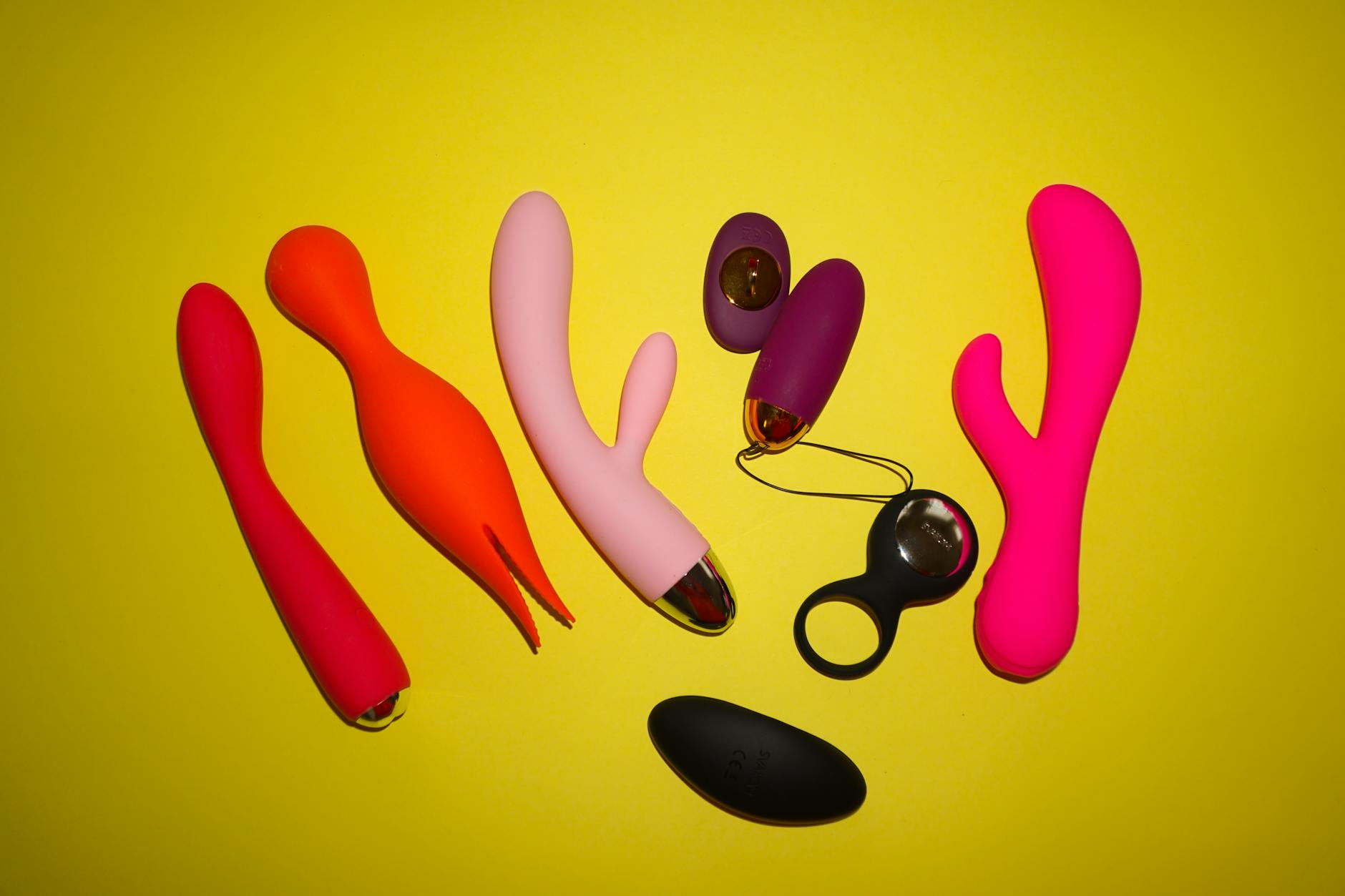
Let's name the real fear first
Your partner thinks a vibrator means you're not satisfied with them. That's not logic. That's fear. And fear doesn't respond well to facts, so if you've already tried explaining that vibrators add sensation rather than replace bodies, you probably know that conversation went nowhere.
Honestly, the best way forward isn't more explanation. It's a different frame entirely. I work with couples on this exact dynamic constantly, and the shift that actually works is redefining what the vibrator does in the relationship, not in your body.
Why the "it's not about you" speech backfires
When your partner says "isn't my hand enough," the subtext is usually "am I enough." Telling them vibrators are just a tool, that they enhance rather than replace, that millions of people use them—that all sounds reasonable. And it lands like rejection anyway.
Here's why: your partner is hearing "I need something you can't give me." Even if that's true, that truth is wrapped in a threat to their competence, their desirability, their role. Before you can introduce a lemon clitoral vibrator, you need to untangle desire from performance.
The conversation isn't "vibrators are normal." It's "I want more pleasure with you, not instead of you."
Reframe it as a joint project, not a solo request
Instead of "I want to use a vibrator," try: "I've been thinking about how we could both feel more pleasure together. I read about something that might help us explore that—would you be open to trying it?"
Notice the shift. It's "us" and "together." It moves the vibrator from your solo need into shared territory. Your partner goes from defensive ("they want a toy because I'm not enough") to curious ("we want more, together").
Then, when you introduce the lemon clitoral vibrator specifically, frame it around sensation, not substitution. "The way it works is really interesting. It uses suction instead of vibration, so it feels totally different from anything we've tried. I want to experience that with you watching, maybe touching me, maybe working together."
That last part matters. You're not disappearing into solo pleasure. You're inviting them into a new experience.
The practical intro that builds comfort
If your partner has never seen a sex toy up close, the object itself can trigger defensiveness. So show them when there's no pressure to use it. "I ordered something. Want to see what it looks like?" Keep it matter-of-fact, like you're showing them a new kitchen gadget.
With a lemon vibrator, the conversation is easier because the design is deliberately approachable. It's visually distinct from a traditional vibrator. It doesn't look like a penis substitute. You can say, "It's designed to work like oral sex—gentle suction instead of vibration. Totally different sensation," and they'll have something concrete to understand, not a vague threatening shape.
Show them how it works (run it on their arm, their hand). Let them feel it. Demystifying the tool removes a layer of the threat.
Create a first experience that includes them
Don't use it alone first and then tell your partner about it. Use it together as the introduction. Here's why: if they discover you've been using it privately, that confirms the fear (you wanted this without them). If you use it with them present, they're part of the experience from the start.
That first time, stay clothed. Sit together. Use the lemon vibrator on your inner arm, your neck, your collarbone. Let them see the sensation without it being sexual yet. This is about curiosity, not arousal.
Then, and only then: "Want to try that again when things get more intimate?"
Give them permission to say no. Seriously. If they say "not yet," that's not a rejection of you. That's them needing more time. Thank them for being honest, and don't push.
But if they say yes, you're moving into partnered territory, and the dynamic shifts completely.
When they do agree: keep them involved
If your partner gives the green light, don't relegate them to observer. There are three ways a lemon clitoral vibrator can work in your intimate life together.
They can hold it. You guide their hand. They control the speed, the angle, the pressure. This is intimate and keeps them active. They feel the vibration, feel your reaction, feel trusted with your pleasure.
You can use it while they touch you elsewhere. They're caressing your breasts, your back, your inner thighs while you use the lemon vibrator. This is blended stimulation and keeps the experience truly partnered.
They can watch while you use it, and touch themselves. This is also valid. Some partners find watching genuinely arousing. Some don't. But if they do, this becomes a shared experience where you're both getting pleasure from the same moment.
The key: never use it in a way that isolates you from them. If you disappear into solo sensation while they sit waiting, you've just confirmed every fear they had.
What to do if resistance stays firm
Sometimes, even with the best reframe, your partner won't budge. They're not curious. They don't want to try. They've decided vibrators are a boundary.
Here's where I need to be direct with you: that's their choice to make. You can't convince someone into comfort. What you can do is be clear about what you need.
"I hear that you're not comfortable with this right now. I'm okay waiting, and I appreciate your honesty. But this is something I want to explore for my own pleasure, and eventually, I need to feel like my desires matter in this relationship." Then follow through. Don't mention it again for a month. But don't abandon it either.
Sometimes partners come around once they see you're serious and patient. Sometimes they don't. If they truly won't budge, you then have a bigger conversation: is this partnership supporting your full self? That's not a question to ask in anger. It's one to sit with in couples therapy, ideally with someone trained in sex-positive work.
The deeper pattern underneath
Often, partner resistance to toys isn't really about toys. It's about control, or fear of inadequacy, or a relationship dynamic where one person's needs are secondary. If your partner shuts down whenever you want something for yourself, the vibrator is just the current trigger.
That's not a lemon vibrator problem. That's a relationship problem. And it won't be solved by explaining how a clitoral vibrator works. It might be solved by therapy, by a serious conversation about equity, or by recognizing that this partnership isn't built to hold your whole self.
The vibrator is just the messenger. Listen to what the resistance is actually saying.
What changes when they finally say yes
When your partner moves from "no" to "okay, let's try," something shifts in your relationship. You've had a hard conversation and come through it together. You've introduced something new. You've both been vulnerable. That's intimacy, even before the vibrator touches skin.
And then, when you use a lemon clitoral vibrator together, you often find that the pleasure is genuinely different from solo use. Your partner's presence changes the experience. Their hands on you, their breath, their attention. The vibrator becomes one element in a much larger experience.
Many couples find that introducing a lemon vibrator together actually deepens their connection, not because the toy is magic, but because they navigated a conversation about desire and came out the other side still wanting each other.
That's the part that matters most.
People Also Ask
Can I use a lemon vibrator if my partner is uncomfortable with sex toys?
Yes, but timing and context matter. If your partner is deeply uncomfortable, using one secretly will damage trust faster than having the conversation first. If you're in a committed relationship, their comfort level is part of the equation, even if it's not the only part. You deserve pleasure. They deserve honesty. Work toward both.
How do I know if my partner will ever be open to using a vibrator together?
Pay attention to whether they can hear you on other things. Can you disagree about food, movies, finances without them shutting down? If they can hold space for your other preferences, they might eventually hold space for this one. If they shut down on everything, the vibrator is a symptom of a larger pattern.
What if my partner uses the vibrator but clearly hates it?
Some people warm up over time. Some don't. If they agree to try once and actively dislike it, don't push for round two. But do follow up later: "I noticed you seemed uncomfortable. Is that something we can talk about?" Sometimes the discomfort is about the object. Sometimes it's about deeper fears about sexuality or intimacy. Just asking the question opens the door.
Is it manipulative to introduce a vibrator without telling my partner first?
Yes. Using toys secretly erodes trust. If your partner finds out, they'll feel deceived, and that "I knew they couldn't be trusted" narrative will be confirmed in their mind. Always have the conversation first, even if it's uncomfortable.
How long should I wait for my partner to be ready?
That depends on how much this matters to you and what the resistance is actually about. A few months of patience while they warm up is reasonable. Years of waiting while they refuse to even discuss your needs is not. Know the difference.
What does it mean if my partner will use a lemon clitoral vibrator but only in specific ways?
It often means they're still working through discomfort or old beliefs about sexuality. That's okay. Boundaries evolve. As long as the boundaries are mutual and you're both getting pleasure from the configuration they're comfortable with, it can work. But if their boundaries exclude you from pleasure, that's worth revisiting.