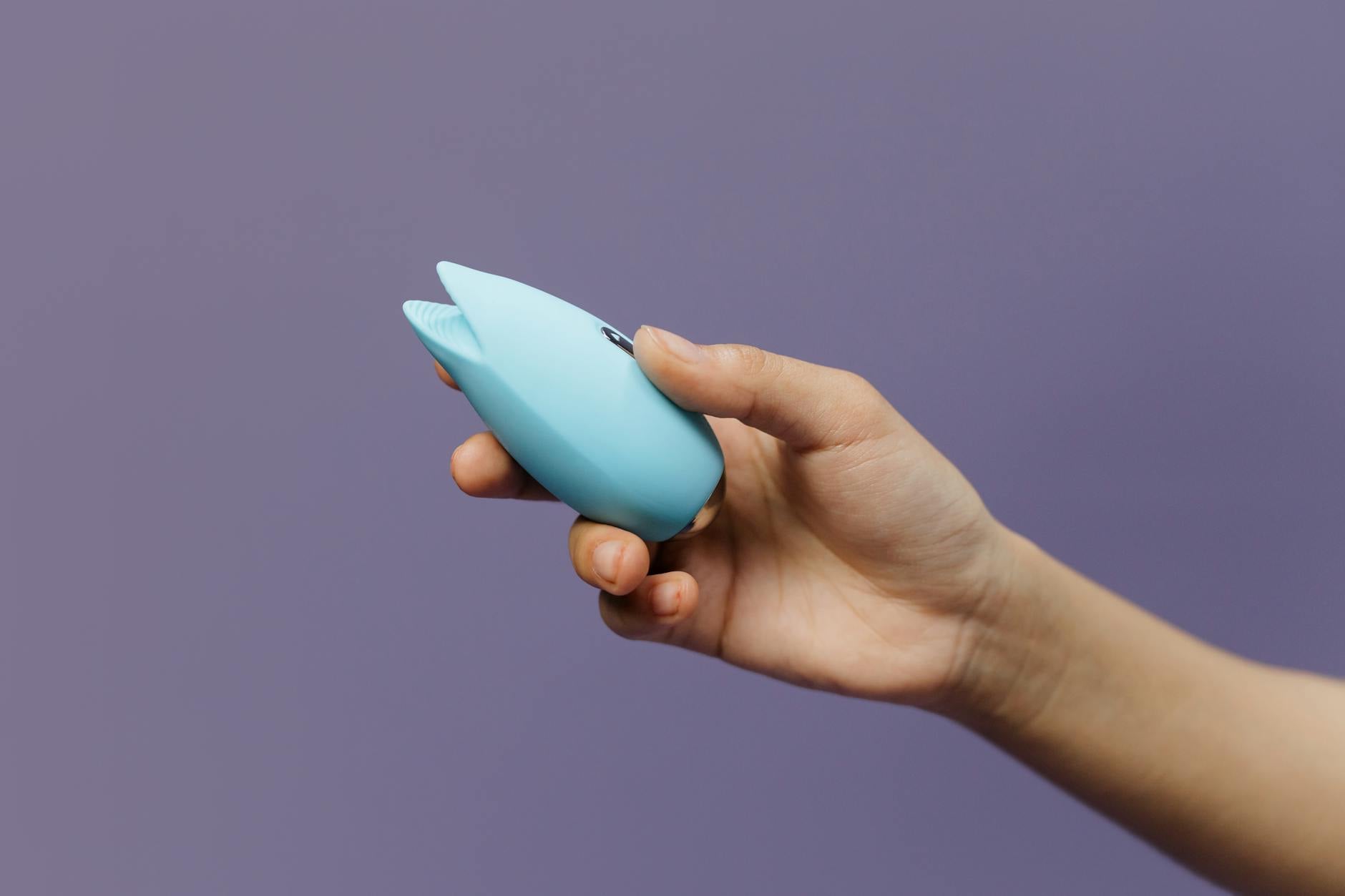
Here's what nobody tells you about your thirties
Arousal gets slower after 30. Not gone. Slower. There's a real neurobiological shift happening, and it has almost nothing to do with attraction or desire. Your body is literally changing how it primes for pleasure, and the sooner you stop fighting that change, the sooner you can work with it.
I've worked with hundreds of people in their thirties and early forties who thought something was wrong with them because they couldn't flip a switch the way they could at 22. It turns out the switch didn't break. The timing just changed.
Why arousal actually slows down in your thirties
Three main culprits are at work:
Blood flow redistribution. In your twenties, your body prioritizes blood flow to your genitals almost immediately when you're turned on. After 30, that response becomes more gradual. Your cardiovascular system is still responsive, but the urgency decreases. This is partly hormonal (even tiny shifts in estrogen and testosterone matter) and partly just how your nervous system matures.
Cortisol changes. Stress hormones shift as you age. Your thirties often bring relationship stability, career demands, or caregiving responsibilities. Higher baseline cortisol makes it harder for your body to downshift into arousal mode. It's not a flaw. It's your nervous system protecting resources for what it perceives as more urgent tasks.
Attention economy. Your twenties brain was wired to notice arousal cues instantly. By 30, your brain has learned to filter more aggressively. You're juggling more information, more commitments, more competing sensations. That means arousal requires more deliberate focus. It's not automatic anymore. It's intentional. And honestly? That can be better.
What changes feel like (and what stays the same)
The physical experience shifts in specific ways. Genital arousal takes longer to build. You might need 10, 15, sometimes 20 minutes of stimulation before your body shows the physical signs it used to show in two minutes. That doesn't mean you're not actually aroused. It means the lag between your brain's interest and your genitals' response has widened.
Here's what doesn't change: your capacity for orgasm is still there. The nerve endings don't lose sensitivity. Your ability to have intense, satisfying pleasure is completely intact. What changes is the runway you need.
Why a lemon clitoral vibrator actually works better now
This is where tool design matters. A lemon sexual toy like the Lem is built specifically for sustained, patient stimulation. Here's why that aligns with what your body needs in your thirties.
The lemon sucker design mimics what your body actually wants now. The suction-based mechanism of lemon adult toys delivers consistent, gentle stimulation that can work over longer time periods without causing fatigue or desensitization. You're not chasing intensity. You're building it steadily.
It handles the warm-up period elegantly. Start on pattern 1 or 2. Let yourself spend 15 to 20 minutes exploring that sensation without pressure to reach any particular milestone. A lemon vibrator's variable settings mean you're not limited to one speed. You can literally match the device to the pace your arousal is actually taking.
Suction doesn't require the same direct friction as traditional vibrators. This matters because slower arousal sometimes comes with more sensitivity to overstimulation. You want tools that can deliver pleasure without overwhelming your tissue. The Lem design solves that.
How to actually use your lemon vibrator during this slower phase
Forget the five-minute quickie framework. Your thirties are calling for something different.
Schedule it differently. Slower arousal means planning for more time. Instead of grabbing 10 minutes before sleep, clear 30. This isn't about romance or candles. It's logistics. Your body needs space.
Start with pattern 1 and stay there longer than feels urgent. Most people jump to pattern 3 or 4 because they're waiting for intensity. Resist that. Spend 10 minutes on the lowest setting. Let your arousal build underneath that sensation. You'll be surprised how often the pleasure deepens when you don't chase it.
Combine it with what actually makes you aroused now. In your thirties, arousal is less about spontaneous physical attraction and more about context. That might mean partnered stimulation, fantasy, or just being in a headspace where pleasure is allowed. Use your lemon clitoral vibrator as one tool in a bigger picture, not as the entire solution.
If you're with a partner, involve them differently. Slower arousal can feel vulnerable if your partner is used to your twenties pace. Talk about it. They might use the vibrator on you while you both slow down, or they might just understand that you need 20 minutes of foreplay instead of 5. That's a feature, not a bug.
The pleasure payoff of slower arousal
Here's the part I wish someone had told me in my thirties: slower arousal often leads to stronger sensation. When your body isn't rushing, your nervous system can actually register subtlety. You notice sensation more. Orgasms often feel more localized and intense, not less.
Many people tell me that once they stopped resisting their slower arousal and started working with it, their pleasure improved. Not because their body changed again. Because they finally stopped treating a natural shift as a problem.
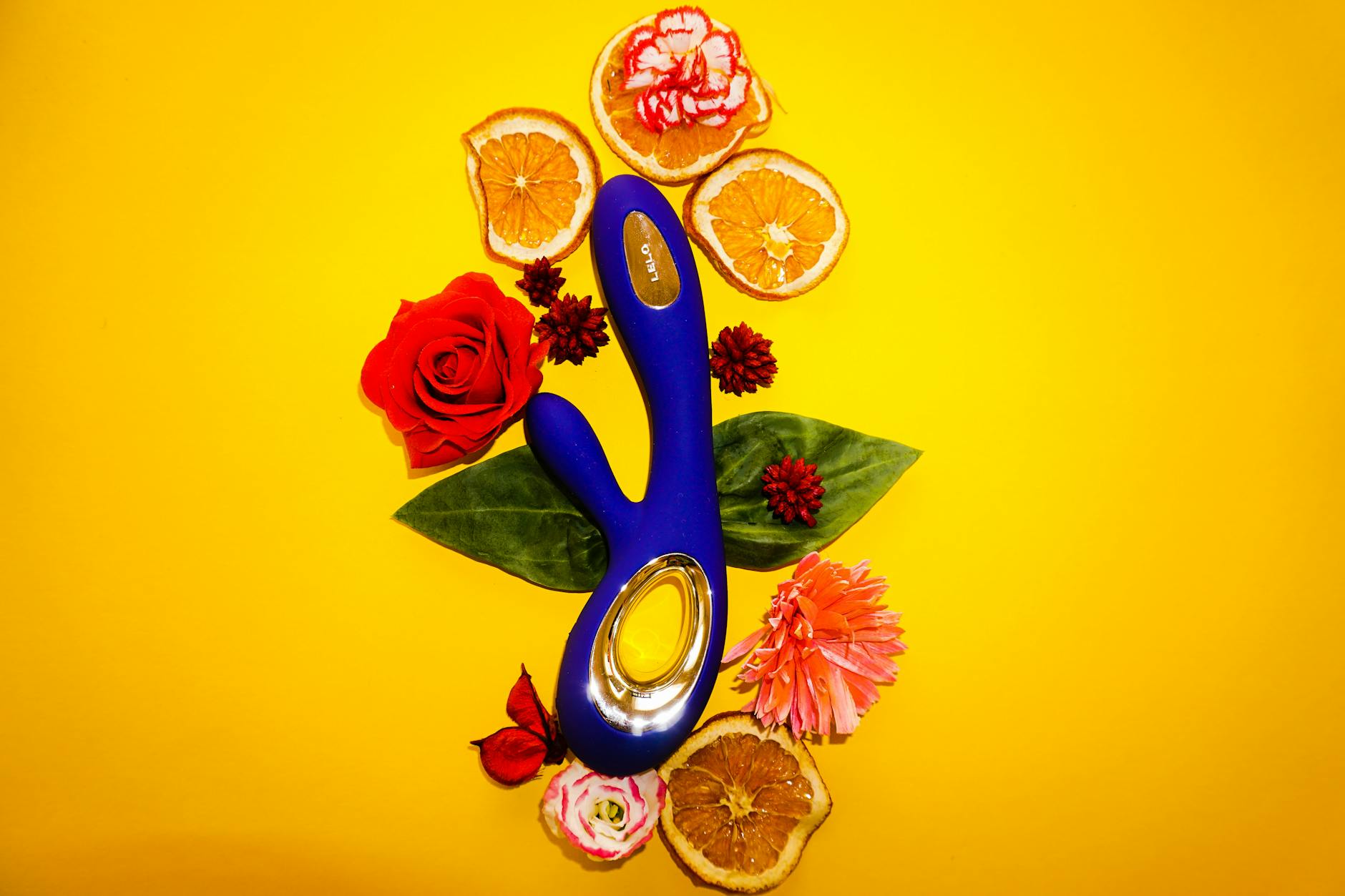
Photo by FounderTips on Pexels
When to check in with a doctor
Slower arousal in your thirties is normal. But if arousal has mostly disappeared, or if you're experiencing pain, that's worth a conversation with a gynecologist or sexual health specialist. Sometimes slower arousal is actually a sign of something like thyroid changes or medication side effects that are worth addressing.
The key distinction: does it feel like a pace shift, or does it feel like a shutdown? One is biology. The other might need professional input.
The bigger pattern shift
Your thirties often bring a lot of reckoning about pleasure on your own terms. You might care less about performing desire for a partner. You might have less time overall, but you care more about quality. You might discover that you actually want longer, slower sessions instead of quick releases.
The shift from twenties to thirties isn't a decline. It's a reorganization. Your lemon vibrator becomes a tool for that new pace, not a workaround for a broken system.
FAQ: Slow Arousal in Your Thirties
Why does arousal take longer in your thirties compared to your twenties?
Arousal slows because of several biological shifts. Blood flow to your genitals becomes more gradual after 30. Cortisol levels often run higher due to accumulated stress and life responsibilities. Your brain's attention system becomes more selective, so it takes longer to shift focus from daily tasks to pleasure. Additionally, hormone levels fluctuate naturally with age, which affects how quickly your nervous system responds to arousal cues. None of this is a sign of dysfunction. It's a normal progression.
Can a lemon clitoral vibrator help if my arousal is slower?
Yes, absolutely. A lemon vibrator is designed for sustained stimulation at variable intensities, which means you can match the tool to your body's actual pace. Unlike traditional vibrators that deliver constant high intensity, the Lem design lets you start low and build gradually. This reduces pressure and actually makes it easier to spend 15 to 20 minutes warming up without overstimulating. The suction mechanism is also gentler on tissue when you're taking longer to become fully aroused.
Is slower arousal in your thirties a sign that something is wrong?
Not necessarily. A shift in pace is completely normal and happens to most people as they age. However, if arousal has mostly disappeared rather than just slowed, or if you're experiencing pain or other changes, that's worth discussing with a healthcare provider. You're looking for the difference between "my body needs more time" and "my body isn't responding at all." One is normal aging. The other might benefit from medical input.
How long should I expect arousal to take in my thirties?
There's no universal timeline, but 15 to 25 minutes of stimulation before reaching full arousal is completely normal in your thirties. Some people take even longer, and that's fine too. The key is releasing the expectation that it should happen in five minutes. Once you stop measuring yourself against your twenties pace, you often discover that longer arousal actually feels better because your body has more time to build sensation.
Should I tell my partner that my arousal is slower now?
Yes. Transparent communication prevents partners from misinterpreting a body change as lack of attraction. Frame it practically: "I'm noticing my body takes about 20 minutes to warm up these days. Can we adjust our foreplay timing?" Most partners respond well when they understand it's a body fact, not a relationship issue. You might also explore using tools like a lemon sexual toy together, which can make the longer warm-up feel collaborative rather than like something you're managing alone.
Can medication affect how quickly I become aroused?
Definitely. Antidepressants, birth control, blood pressure medications, and antihistamines can all impact arousal speed and intensity. If you've recently started a new medication and noticed arousal changes, it's worth asking your doctor if that's a known side effect. Sometimes switching medications or timing doses differently helps. Other times, adjusting your approach with tools like a lemon clitoral vibrator is the better solution.
Is it normal to need longer warm-up time even if I'm very attracted to my partner?
Completely normal. Slower arousal in your thirties isn't about attraction. It's about how your nervous system and bloodflow have shifted. You can be wildly attracted to someone and still need 20 minutes instead of five. The two things are separate. In fact, removing the pressure to be "automatically" aroused often improves both arousal and pleasure overall.
What actually matters here
Your thirties didn't break your pleasure. They just changed its timeline. The sooner you stop treating that as a problem and start treating it as information, the sooner you can design a pleasure routine that actually fits your body and your life.
A lemon vibrator works so well for this phase because it was designed for intentional, patient exploration. Not because your body got worse at pleasure. Because your body is finally asking for something different, and you deserve tools that listen to that.
Ready to explore how a lemon clitoral vibrator might work for your changing body? Check out our buying guide or reach out with any questions.