Here's what you're probably experiencing
Your mind is ready. You want this. But your body feels... neutral. Maybe numb. Maybe even mildly uncomfortable. The sensation just isn't there, even though the desire is. You're not broken. This disconnect between mental arousal and physical sensation is shockingly common, and it has nothing to do with how much you actually want sex.
Why arousal and sensation don't always move together
Let me break down what's actually happening. Arousal is a neurological state. Sensation is a physical one. They're powered by different pathways in your nervous system, which means they can absolutely run on different timelines.
When you're mentally aroused, your brain is flooding with dopamine and norepinephrine. Your heart rate picks up. Your mind lights up. But peripheral sensation relies on blood flow to the clitoris and vaginal tissue, plus engagement of the parasympathetic nervous system (the "rest and digest" branch). Those can lag behind the mental state by minutes, or sometimes much longer.
Stress compounds this. If you're carrying tension from work, relationship friction, or just the baseline hum of modern life, your body stays in partial fight-or-flight mode. That literally restricts blood flow to your genitals. Your brain says yes; your vulva says "give me a minute."
Hormonal fluctuations play a role too. If you're in a lower-estrogen phase of your cycle, on certain birth control formulations, or experiencing perimenopause, tissue sensitivity naturally decreases. Add stress on top of that and the gap widens.
Here's what doesn't change: your capacity to orgasm. Your clitoral nerve endings. Your ability to reach pleasure. The gap is real, but it's fixable.
The neuroscience of the gap
Think of arousal and sensation as two dancers who are supposed to move in sync but one keeps missing the beat.
Central arousal (the mental piece) activates quickly through fantasy, touch, or psychological connection. Peripheral arousal (the physical response) is slower. It requires your nervous system to downshift, blood to redirect, tissue to swell and become sensitive. If you're checking your phone mid-session, worried about a work deadline, or just distracted by the hum of daily life, your parasympathetic nervous system never fully engages. Your clitoris stays relatively desensitized.
For some people, this gap is a few minutes. For others, it's 15 or 20. Some find that it closes more easily with manual stimulation than with a partner. Others need consistent, rhythmic clitoral pressure before sensation suddenly switches on.
This is not a sign of low desire. It's a sign that your nervous system needs a specific type of input to wake up the physical side.
How a lemon vibrator changes the equation
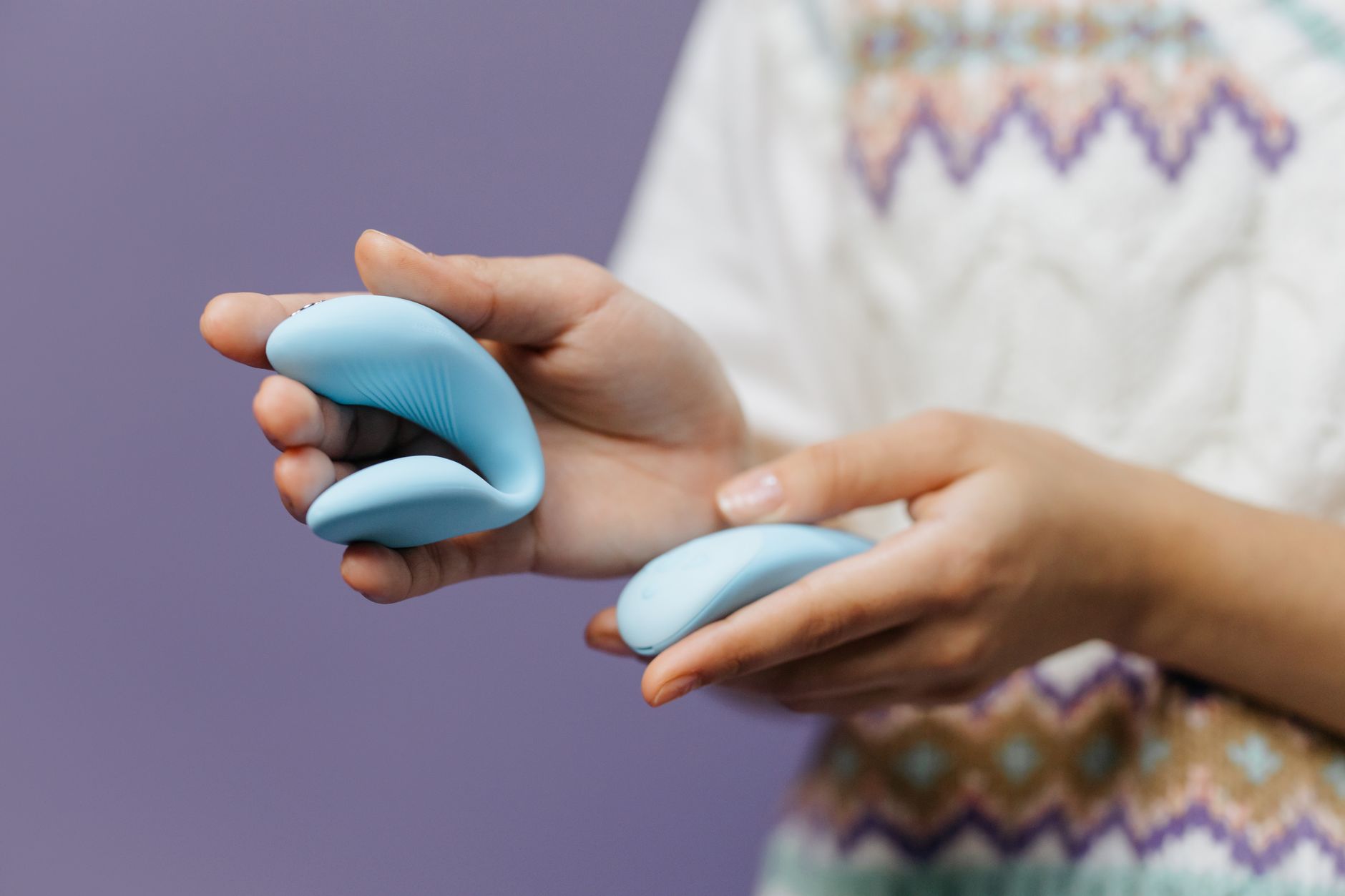
A clitoral vibrator like the Lem works because it provides exactly what a disconnected body needs: consistent, rhythmic, direct stimulation that doesn't require you to think or perform.
Here's the mechanism. When you apply steady suction or vibration to the clitoris, you're sending a clear signal to your nervous system: "This is safe. This is sustained. You can relax now." That permission statement matters. Your body starts to believe it's okay to settle into pleasure.
At the same time, the physical stimulation is creating measurable blood flow and nerve activation. You're not just hoping sensation will arrive. You're actively creating the conditions for it. Within a few minutes of consistent use, most people report that sensation suddenly clicks on. The numbness or disconnection lifts. The clitoris becomes sensitive again.
The suction-based design of the Lem is particularly useful here because it mimics the gentle, sustained pressure that many people find easier to feel than traditional vibration alone. It's as though your nervous system recognizes the pattern and responds more readily.
The step-by-step approach
Start with a clear space and time. This matters more than you might think. If you're squeezing this in between emails, your parasympathetic nervous system knows it. Give yourself at least 20 minutes, ideally more.
Begin without the vibrator. Spend 5 to 10 minutes on whatever foreplay or mental setup helps you access arousal. This could be fantasy, a partner's touch, visual content, or simply lying still and thinking about someone or something that turns you on. The goal here is to get your mind into that aroused state, even if your body hasn't caught up yet.
Once you feel mentally engaged (even if sensation is still muted), introduce the Lem on its lowest setting. Press it gently against your clitoris and let it work. Don't stroke it or move it around. Just hold it steady. Your job is to notice what happens, not to chase anything.
Within 2 to 5 minutes, most people report a shift. Sensation begins to return. The area starts to feel sensitive, almost tingly. Some describe it as "waking up." If that doesn't happen, it's worth staying with it for another few minutes. Your nervous system might just need a little more permission.
Once sensation clicks on, you can increase intensity or add movement if you want. But many people find that continuing at low intensity, with that steady pressure, is exactly what they need. The orgasm, when it comes, often feels deeper and more satisfying because your whole system is finally synchronized.
Common patterns and what they mean
Some people find the gap closes much faster with solo play than with a partner present. That's not a relationship problem. It often means you can relax more thoroughly when you're alone. Use solo sessions with the Lem to map out what your arousal timeline actually looks like, then bring that knowledge into partnered sex.
Others find the gap is smallest in the morning or when they're well-rested. Fatigue genuinely does suppress parasympathetic activation. If evening sex feels consistently numb but morning play feels alive, that's not about desire. That's about nervous system capacity.
Some people notice the gap widens during high-stress periods. Work deadlines, family conflict, financial pressure. All of these keep your nervous system partially activated. You can't shut off the fight-or-flight response just by deciding to have sex. But a lemon vibrator's consistent, non-demanding stimulation can sometimes help you downshift anyway. The sustained sensation tells your body "we're safe now."
If the gap persists even with consistent vibrator use over several weeks, it's worth checking in with yourself (or a therapist) about what might be keeping you partially defended. Sometimes the body is protecting you from something you haven't consciously named yet. That's clinical information, not a failure.
Partnered play when sensation lags
If you have a partner, honesty is everything. "My arousal is mental but my sensation is delayed" is specific, clarifying information. It's not "I don't want you" or "something is wrong." It's "my nervous system needs a specific type of input to sync up."
Some partners love incorporating a lemon clitoral vibrator into shared sex because it removes the pressure for manual stimulation to create sensation. Your partner can focus on connection, penetration if that's in the mix, or simply being present while you use the Lem on yourself. Lots of people find this less distracting than trying to achieve arousal through partnered touch alone.
FAQ
Why does my arousal feel disconnected from sensation in the first place?
Your brain and body are powered by different nervous system pathways. Central arousal (the mental state) activates quickly through desire or stimulation. Peripheral arousal (physical sensation) is slower. It depends on blood flow, nervous system downshift, and tissue sensitivity. Stress, fatigue, hormonal changes, and distraction all widen the gap between the two.
Does this mean I have lower desire than other people?
No. Desire and sensation are separate. You can want sex intensely while your body takes longer to catch up physically. This is not uncommon, and it says nothing about how much you actually want your partner or yourself.
Will the Lem close the gap every time I use it?
Most of the time, yes. But it depends on your nervous system state in that moment. If you're activated by stress or distraction, even a lemon vibrator might take longer to create that shifted sensation. Consistency and patience matter more than force.
Can I use the Lem during partnered sex if sensation is lagging?
Absolutely. Many couples incorporate a clitoral vibrator into shared sex specifically because it provides direct stimulation that partners can't replicate with fingers or other contact. Your partner can penetrate while you use the Lem on your clitoris, or you can use it yourself while they provide other forms of touch.
What if sensation still feels muted even with vibration?
Try extending the foreplay and warm-up time. Sometimes your nervous system needs 15 or 20 minutes of psychological engagement before it's ready for physical sensation to register. Also check in with whether you're truly relaxed, or whether you're performing relaxation while still partially tense. Real rest is different from trying to rest.
Does this gap mean my clitoris is desensitized?
Not necessarily. Temporary sensation lag is a nervous system pattern, not a tissue problem. Chronic desensitization (where sensation never returns even with sustained use of the Lem) is different and worth discussing with a healthcare provider. But most people who experience the arousal-sensation gap find it resolves readily with the right conditions and consistent clitoral stimulation.
What comes next
The arousal-sensation disconnect is one of the most misunderstood sexual experiences. People assume something is broken. In reality, your nervous system is just moving at its own pace. A lemon vibrator gives you a tool to bridge that gap without force or frustration. You're not chasing sensation. You're creating the conditions for it, then letting it arrive on its own timeline. That shift in approach, paired with consistent stimulation, changes everything.
If you want to dive deeper into how your specific arousal pattern works, or if the gap persists despite consistent vibrator use, reaching out to a sex-positive therapist or healthcare provider can help. You deserve to understand your own body.
For now, know this: the gap is real, it's common, and it's absolutely workable. Your desire is not in question. Your capacity for pleasure is not in question. Your nervous system just needs the right signal to synchronize.