The trade nobody talks about
Antidepressants work. They stabilize your mood, quiet the noise in your head, and make mornings feel survivable again. They're also weirdly good at killing your orgasm. Somewhere between 40 and 60 percent of people on SSRIs report sexual side effects — flattened desire, delayed or absent orgasm, difficulty getting aroused. This isn't your imagination. It's a documented, pharmaceutical side effect that your doctor probably mentioned in passing and nobody really explains.
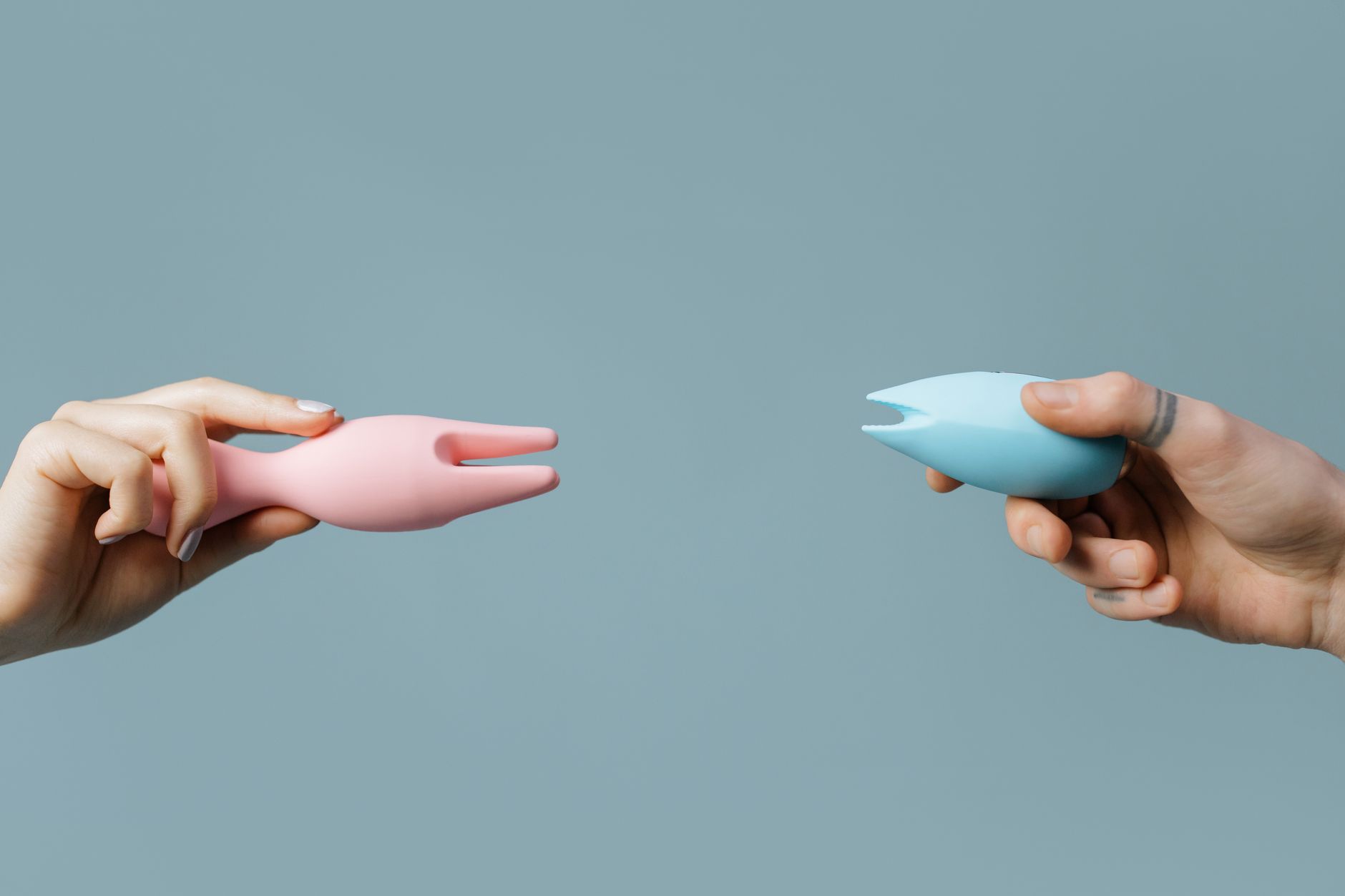
Here's the thing: sexual numbness isn't a character flaw or a reason to stop your medication. It's a temporary neuroendocrine adjustment that responds well to specific strategies. A clitoral vibrator like the Lem can be one of those strategies.
Why antidepressants change sexual response
SSRIs (selective serotonin reuptake inhibitors) work by keeping serotonin in circulation longer. That steadies your mood. But serotonin also regulates dopamine and norepinephrine, the neurotransmitters responsible for sexual desire and genital blood flow. When serotonin levels rise, dopamine can dip — and dopamine is basically the "let's go" chemical for sex.
Then there's the mechanical side. Lower norepinephrine means less blood flow to genital tissue, which makes arousal slower and orgasm harder. Some people report that sensation feels muted or distant, like they're watching their body from behind glass.
This usually stabilizes in 4 to 8 weeks. But for some people, it doesn't. And waiting around hoping it resolves while your sex life flatlines isn't helpful.
Why lemon vibrators work differently
A standard vibrator uses vibration alone. It's fine, but if your genital nerves are quieter than usual, you need something with more intensity and precision. The Lem and other lemon-style clitoral vibrators use suction and gentle pulsing — a different mechanism that stimulates the clitoral complex without requiring the same baseline of sensation to register pleasure.
Think of it this way: if your sensitivity is dimmed, you need a stronger signal. Suction creates that signal differently than vibration does. It's not rougher — it's actually gentler in some ways — but the mechanical action reaches deeper nerve clusters more reliably.
This is especially useful when you're dealing with the specific kind of numbness antidepressants create, which tends to flatten sensation rather than create pain.
Starting over with sensation
The first week on a lemon clitoral vibrator after sexual numbness is usually a bit strange. Your body might feel the vibration but not register it as "pleasure" yet. That's normal. Your brain is relearning the connection between sensation and arousal.
Here's how to approach it:
Start with lower settings and longer sessions. Use pattern 1 or 2 on the Lem. Spend 20-30 minutes exploring, not chasing orgasm. This teaches your nervous system that sensation is safe and pleasurable again.
Pair it with mental engagement. When genital sensation is muted, your brain becomes the primary erogenous zone. Use fantasy, read erotica, listen to audio. The goal is to create full-body arousal, not just clitoral stimulation.
Don't chase the finish. This is the opposite of what you might normally do. When you're numb, orgasm-focused sex creates pressure and disappointment. Instead, practice "sensation seeking" — noticing small changes in how things feel rather than working toward a specific outcome.
Add lube even if you don't think you need it. Antidepressants can reduce natural lubrication. Water-based lube improves glide and sensation, and it signals to your body that pleasure is happening.
The timeline for rebuilding pleasure
Everything depends on your individual neurobiology, but here's a realistic map:
Weeks 1-2. You might feel the vibration but it feels distant or clinical. Keep going. Your brain is still learning.
Weeks 2-4. Sensation starts registering as "interesting" rather than "meh." Some people feel the first small spark of arousal here.
Weeks 4-8. Orgasm might become possible again, though it could feel different — maybe more internal, or requiring more sustained stimulation. Both are fine.
8+ weeks. Most people report either return to baseline pleasure or discovery of a new kind of pleasure that suits their medicated body better. Some find they actually prefer this version of sex — slower, more intentional, less goal-oriented.
If you're not seeing any shift in sensation by week 8 or 9, talk to your prescriber. There are other medications in the SSRI family with lower sexual side effect profiles, and timing adjustments (taking your dose right after sex rather than before) can sometimes help.
What to do if your partner is involved
If you have a partner, this is a conversation worth having early. "My medication is making sensation harder to access" is completely different from "I don't want to have sex with you." The first one is solvable. The second deserves real exploration.
Using a lemon clitoral vibrator together can actually be a relief point. It takes pressure off your partner to be the sole source of arousal, and it gives you both something concrete to focus on. Some couples find that introducing a vibrator during this period actually strengthens their sexual connection because it removes the performance anxiety.
Antidepressants save your mental health. A vibrator helps you keep your sex life. Both can be true.
Managing expectations around orgasm
Here's something that rarely gets said: your orgasms on antidepressants might never feel exactly like they did before. And that might be okay. Some people describe them as more internal, less intense, or requiring different kinds of touch. Others say they're actually better — less scattered, more focused, longer-lasting.
The goal isn't to get back to exactly where you were. It's to find what pleasure looks like in your body right now. That might involve using the Lem more often than you'd ever used a vibrator before. It might involve longer sessions. It might involve accepting that orgasm takes 45 minutes instead of 15.
The trap is making that into a problem. If pleasure is still happening, even if it's different, you're not broken.
When to ask for help
Sexual dysfunction can also be a sign that your current medication or dose isn't right for you. If you've been on antidepressants for 8-10 weeks and sexual sensation hasn't improved at all, schedule a follow-up with your prescriber. Don't apologize. Just tell them: "I'm getting sexual side effects. I'd like to explore options."
Good options include switching to a different SSRI (some have lower sexual side effect rates), adding a medication to counteract the effect (like bupropion or buspirone), adjusting when you take your dose, or lowering your dose if you're stable enough. None of these are failures. They're all normal iterations of finding the medication that works best for you.
If you're working with a therapist or counselor, mention this too. Sometimes the emotional piece of losing sexual function while gaining mental stability needs its own processing. You might be grieving the version of yourself that had uncomplicated pleasure. That grief is real and worth acknowledging.
The long game
Most people who stick with antidepressants eventually find their way back to sex. Sometimes it's automatic. Sometimes it takes tools like lemon clitoral vibrators, conversation with partners, and the patience to rebuild pleasure slowly. Sometimes your sexual life becomes something completely different from before, and you realize you actually prefer it.
The important part is knowing that sexual numbness from antidepressants is temporary and responsive to action. You don't have to choose between your mental health and your sex life. You get to have both.
People also ask
How long does it take for sexual side effects from antidepressants to go away?
For most people, sexual side effects improve within 4 to 8 weeks of starting medication as your body adjusts. For others, they persist for longer or don't fully resolve. If you're not seeing improvement by 8-10 weeks, talk to your doctor about options like switching medications, adjusting your dose, or adding something to counteract the effect. Sexual side effects aren't permanent, but they sometimes need active problem-solving rather than waiting.
Can using a lemon vibrator help if I'm completely numb down there?
Yes, often. Clitoral vibrators like the Lem work through suction and pulsation, which reaches nerve endings differently than standard vibration. This can make sensation register even when the baseline sensitivity is lower. That said, if you're experiencing complete numbness and it hasn't improved after 8+ weeks, check in with your prescriber. Sometimes the medication or dose needs adjusting.
Should I tell my partner I'm using a vibrator to deal with antidepressant side effects?
That's your choice, but transparency usually helps. Using a vibrator isn't a reflection on your partner or your attraction to them. It's a tool that helps your body respond to stimulation when medication has made that harder. Most partners appreciate knowing what's happening rather than noticing changes in your sexual response and wondering if they did something wrong. If you're nervous about the conversation, frame it as problem-solving together rather than criticism.
Is it normal for orgasms to feel different on antidepressants?
Completely normal. Many people describe them as less intense, more internal, or requiring sustained stimulation rather than building to a peak. Some say they're actually better. The shape and feeling of orgasm can shift when your neurochemistry changes. If they're still pleasurable, even if different, that's healthy sexual function. If they're painful or completely absent after 8+ weeks, mention it to your doctor.
Can I adjust the timing of my antidepressant to improve sexual function?
Sometimes. Some people find that taking their dose right after sex rather than before helps. Others take it at night so the peak effect happens while they're sleeping. This is worth discussing with your prescriber, but don't adjust on your own. They can help you figure out if timing makes sense for your specific medication and situation.
What if a lemon clitoral vibrator doesn't help my numbness?
If you've tried using a vibrator consistently for 4-6 weeks with no improvement in sensation or pleasure, it's time for a medical conversation. Sexual side effects sometimes need medication adjustments rather than tool solutions. Your doctor can help you explore other SSRIs or options like adding bupropion or switching to a different class of antidepressant entirely. You deserve both mental health support and sexual pleasure.
References and sources
This article draws on evidence from clinical research on antidepressant-induced sexual dysfunction, including studies published in the Journal of Clinical Psychiatry and The Journal of Sexual Medicine. For specific medication interactions and side effect profiles, consult your prescriber. Sexual wellness tools like the Lem are designed to help with sensation-related challenges; they're not a substitute for medical guidance when sexual dysfunction persists.