Let's talk about vulvodynia honestly
Vulvodynia is chronic pain around the vulva with no clear cause. It's not an infection, not a STI, not something you did wrong. It's also not rare. Somewhere between 4 and 16 percent of people with vulvas report it at some point, which means you're not alone, and you're not broken.
Here's what makes it tricky: when your vulva hurts, the instinct is to avoid touch. Stop sex, stop masturbation, stop exploring. But avoiding touch often makes it worse. The tissue sensitizes further, the nervous system stays in alarm mode, and pleasure becomes a theoretical concept rather than something you can actually access.
That's where the right tool and the right approach come in.
Why a lemon vibrator actually works for vulvodynia
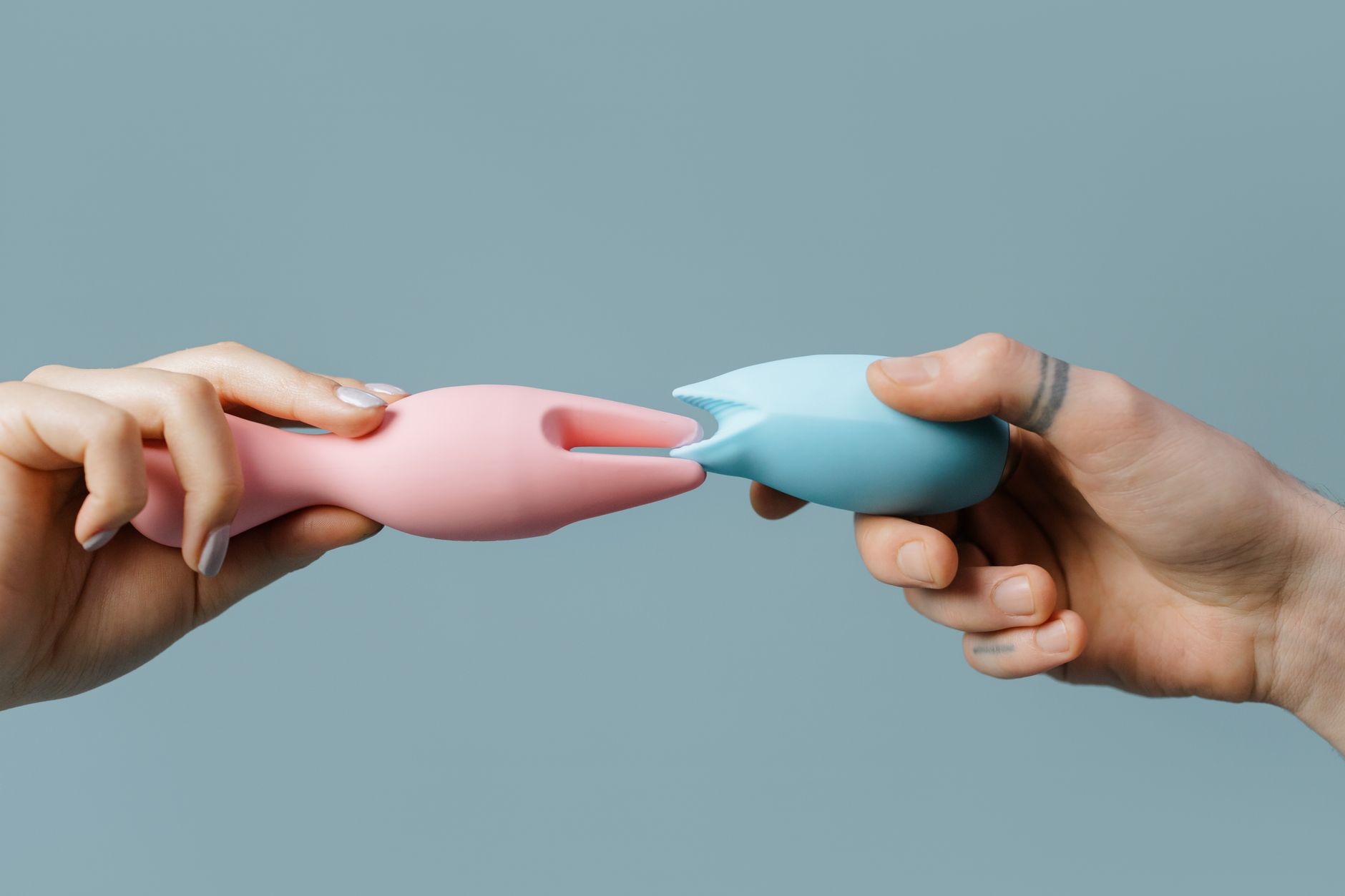
Not all vibrators work the same. Some are designed for intensity. The Lem, and other clitoral vibrators like it, are designed differently. They use air-pulse suction rather than direct oscillation, which means they stimulate the nerve-rich tissue without the mechanical vibration that can feel aggressive or triggering on already-sensitive skin.
Think of it this way: direct vibration is like tapping repeatedly on bruised skin. Air suction is like applying steady, gentle pressure. One provokes; the other soothes while stimulating.
For vulvodynia specifically, this matters because suction-based stimulation:
- Works from the outside in rather than through direct contact
- Creates a seal that distributes pressure evenly across the area
- Builds sensation gradually instead of hitting intensity immediately
- Can be modulated down to near-weightless levels
Multiple people with vulvodynia have reported that a lemon clitoral vibrator helped them reclaim sensation and pleasure when nothing else had worked. That's not coincidence. It's engineering meeting human physiology.
Starting over: the first session approach
If you've been avoiding sensation or if every touch has felt painful, the first time back is its own process. You're not trying to achieve orgasm. You're trying to prove to your nervous system that touch can feel good again.
Set aside 20 minutes in a space where you won't be interrupted. Wear clothes you feel good in initially. You don't have to be naked. You don't have to shower first. Those rituals can add pressure when what you need is permission to just exist.
Start by holding the lemon vibrator. Not using it. Holding it. Feel the weight, the silicone, the shape. Get used to its presence without demand.
When you're ready, turn it on to pattern 1 or 2 (the lowest settings). Don't aim it at your vulva yet. Run it along your inner thigh, your lower belly, the area around but not directly on the tissue. This is the setup phase. You're waking up sensation in the neighborhood before you invite it to the main event.
Spend 10 minutes here. No goal. No timeline. If something feels good, notice it. If something doesn't, move on.
Only after that do you move to direct contact, and only if you want to. Even then, start on the outer vulva, the labia majora. Many people with vulvodynia have more tolerance there. The most sensitive tissue gets introduced later, only once the nervous system has remembered that stimulation can feel safe.
Building tolerance without re-traumatizing
Here's the thing about vulvodynia: it's partly physical and partly neurological. Your nervous system has learned that this area is under threat. Your job is to teach it otherwise. Tolerance builds through small, consistent evidence that pleasure is possible, not through pushing through pain.
Pain during this process is a stop sign. Not a challenge to overcome. A sign that you've gone too far too fast.
If you feel burning, sharp stinging, or rawness, stop. Back up to the area that felt neutral or slightly good. Stay there. Return to it tomorrow. Progress isn't linear, and that's okay.
Many people find that using a lemon clitoral vibrator 2 to 3 times a week on low settings rebuilds sensation faster than daily use or aggressive intensity. Consistency matters more than volume.
Also: keep a water-based lubricant nearby, even if you don't think you need it. Vulvodynia often involves some tissue thinning. Lube isn't admission of defeat. It's a tool for comfort.
When to layer in partner touch
If you have a partner, this transition is its own conversation. They need to understand that you're retraining your nervous system, that your timeline isn't a reflection of how you feel about them, and that their patience here is actually foreplay.
Many couples find that using a lemon vibrator together changes the dynamic. The partner holds it, you guide the intensity, you maintain control. That agency matters when you're rebuilding trust in your own body.
Others find that solo sessions come first, and partner sessions come later, once you've proved to yourself that sensation can return. There's no schedule for this. What matters is what feels right for you.
Common questions people with vulvodynia ask
Will using a vibrator make my vulvodynia worse?
Not if you're thoughtful about it. The risk comes from forcing intensity, pushing through pain, or using tools designed for high vibration on tissue that's already in alarm mode. A lemon vibrator's low-intensity, suction-based approach is actually gentler than many hands-on techniques. The key is starting low and respecting your nervous system's speed.
How long before I feel normal sensation again?
It varies wildly. Some people notice a shift in 2 to 3 weeks. Others take months. The nervous system doesn't follow timelines. What typically happens is that sensation starts to feel less sharp and more diffuse. Pain softens into pressure, then into neutral, then into actual pleasure. It's a gradient, not a switch.
Should I use my lemon vibrator if I'm still in pain most days?
Yes, but gently. Vulvodynia often responds better to consistent low-level stimulation than to avoidance. The tissue needs evidence that touch is safe. That evidence comes through exposure, but on your terms and at your pace. If you're in significant pain, talk to a vulvodynia specialist or pelvic physical therapist first.
Can my partner help, or should I do this alone first?
There's no wrong answer. Some people need the agency of solo exploration first. Others find that partner involvement reduces the psychological weight of the pain. What matters is that whatever you choose, you're choosing it. Not doing it because you think you should.
What if nothing works?
Vulvodynia often responds to a combination approach: pelvic physical therapy, topical treatments, systemic medications, and mindfulness work. A clitoral vibrator is one tool, not the whole toolkit. If you're not seeing improvement after consistent use over several weeks, that's information. It means you might benefit from professional support. Many vulvodynia specialists now recommend vibrators as part of a broader treatment plan, not as a standalone fix.
The bigger picture: reclaiming your right to pleasure
Vulvodynia is real, the pain is real, and the grief around losing sensation is real. But pleasure isn't gone. It's rerouted. Your job is to find the path that works for your body right now, not the body you had before.
A lemon vibrator can be part of that path. It's designed to work with sensitive tissue, not against it. It gives you control, lets you set the pace, and offers a way to reconnect with sensation on your own timeline.
Your pleasure matters. Your body deserves attention and exploration, not punishment or avoidance. Start small, be patient, and trust that your nervous system knows how to heal.
If you want to talk through your specific situation or explore other options, we're here at /contact.
FAQ: Vulvodynia and vibrator use
Can I use a lemon clitoral vibrator every day if I have vulvodynia?
Daily use is possible but often not ideal. Most vulvodynia specialists recommend 2 to 3 sessions per week on low settings while you're rebuilding tolerance. Daily use can overstimulate tissue that's already sensitized. Once sensation stabilizes and pain decreases significantly, some people move to more frequent sessions. The real question is: how does your tissue respond? If you feel rawness afterward, scale back to every other day.
What's the difference between a lemon vibrator and other clitoral vibrators for vulvodynia?
The Lem and other air-suction vibrators use gentle pressure and pulsing rather than direct oscillation. This means less mechanical friction on the tissue and a gentler entry point for nervous systems in defensive mode. Traditional vibrators with high-frequency oscillation can feel too intense for vulvodynia. Suction-based tools like a lemon sexual toy are often better tolerated because they work from the outside in and allow for much lower effective intensity.
Should I see a doctor before using a lemon vibrator for vulvodynia?
If you haven't been diagnosed with vulvodynia yet, yes. Vulvar pain can have other causes: dermatologic conditions, infections, hormonal changes. Get a proper diagnosis first. Once you have that confirmation, your gynecologist or vulvodynia specialist can give you the green light on vibrator use and may even recommend it as part of your treatment plan. Many do.
Is it normal to feel nothing during vibrator use if I have vulvodynia?
Completely normal. Vulvodynia often comes with numbing alongside pain. Your tissue might not register sensation yet. That's why starting slow matters. You're not looking for intense feeling in week one. You're looking for neutral. For an absence of pain. For a slight shift in sensation. Pleasure comes later once the nervous system feels safe.
Can my partner use a lemon vibrator on me if I have vulvodynia, or should it only be me?
Both work, but context matters. Early on, when you're rebuilding trust in your body, solo use often feels safer because you control every variable. But once you're more comfortable, partner-guided sessions can be deeply connecting and can show your partner what actually works for you. The key is that you're directing it. You're saying yes or no. You're in charge.
Will vulvodynia go away if I use a vibrator regularly?
Not necessarily on its own. Vibrators are one tool in a broader treatment approach. Many people need physical therapy, sometimes topical medications, sometimes systemic treatment. But vibrators help by keeping tissue responsive and by training your nervous system that sensation can feel good. Combined with other treatments, they often accelerate healing. Used alone, they're supportive but not curative.