
How to Use a Lemon Vibrator for Better Orgasms When You're on Antidepressants
Let's be real: SSRIs and SNRIs are medication lifelines. They stabilize your serotonin, quiet the anxiety loop, help you sleep. And for a lot of people, they also make orgasms harder to reach.
This isn't a side effect anyone talks about at your GP appointment, which means most people end up thinking it's them. It's not. It's the medication doing exactly what it's designed to do. The good news is that lemon vibrators, and specifically the suction technology that Hello Nancy's Lem uses, are surprisingly effective workarounds for medication-blunted arousal.
What antidepressants actually do to sexual response
SSRIs (selective serotonin reuptake inhibitors) like sertraline, paroxetine, and fluoxetine work by keeping serotonin circulating longer in your brain. The problem: serotonin also influences sexual response, particularly arousal speed and orgasmic intensity. When you have more serotonin hanging around, the brakes go on.
SNRIs (serotonin-norepinephrine reuptake inhibitors) like venlafaxine add norepinephrine into the mix, which sometimes makes things worse. You might notice that arousal takes longer to build, orgasms feel distant or muted, or require significantly more direct stimulation than before.
Here's what's happening biologically: your brain's sexual response system hasn't changed. The neural pathways for arousal, the clitoral nerve endings, the pelvic floor capacity for orgasm. All still there. What's changed is the signal reaching those systems. It's like trying to get excited with the volume turned down halfway.
Why clitoral suction works better than traditional vibration
Most vibrators work through friction and vibration intensity. The clitoris receives all that stimulation and theoretically should respond. But when medication has dampened your baseline arousal, traditional vibration often feels just that. Vibration. Not particularly pleasurable, requiring constant intensity to maintain any sensation at all.
Lemon vibrators use air suction technology instead. The Lem, for example, creates gentle rhythmic suction around the clitoral tissue. This changes the game for medication-affected bodies because suction stimulates in a way that bypasses some of the serotonin-related dampening. It's not vibration fatigue. It's a completely different pathway to the same nerve clusters.
Why this matters: suction engages the tissue more holistically. It doesn't rely on you being highly aroused to start with. You can use it at lower intensity levels and still get real sensation, real pleasure. Then, as arousal builds, you can increase the intensity.
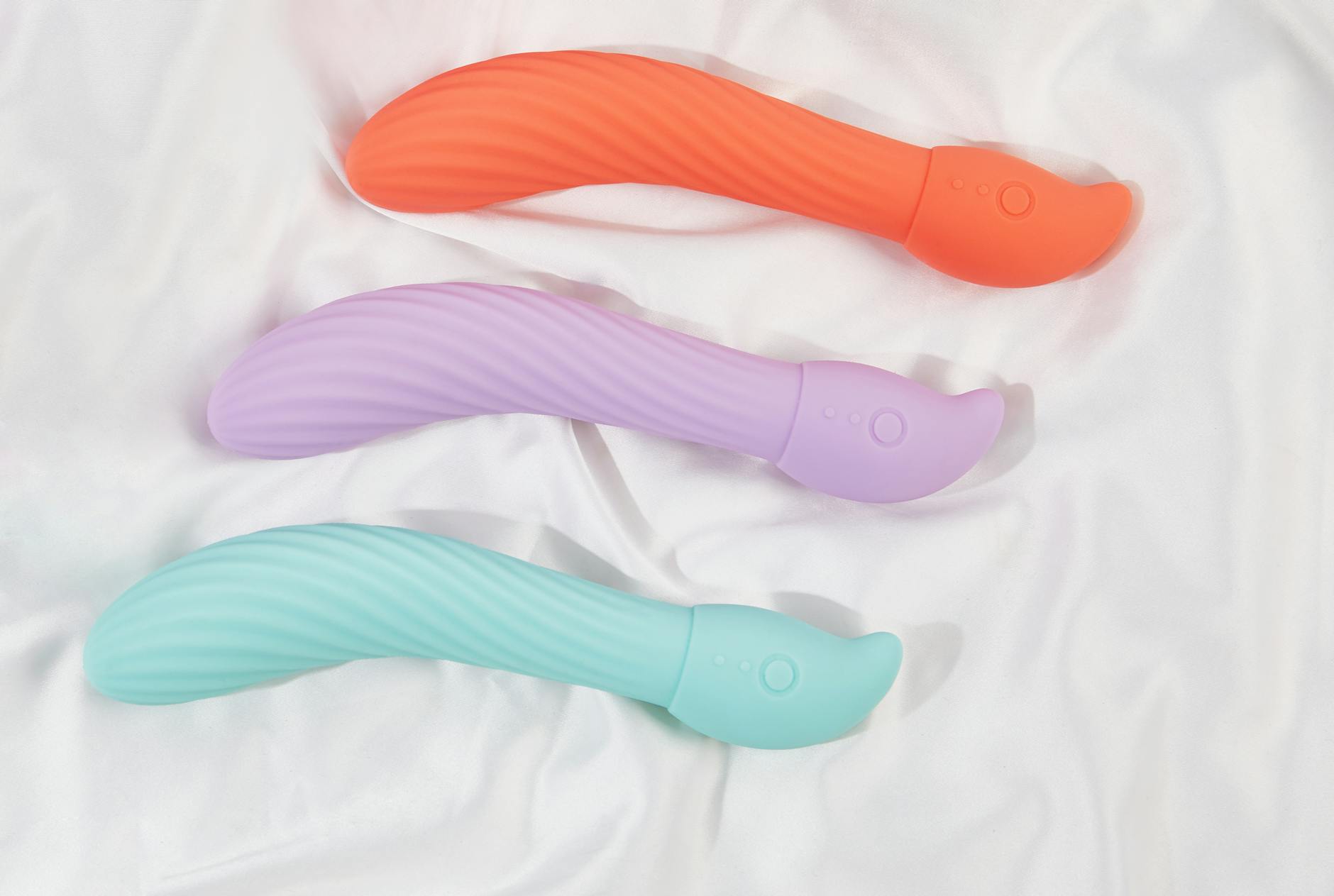
Photo by IFONNX Toys on Pexels
How to use a lemon clitoral vibrator on antidepressants
The strategy shifts when you're working with medication-affected arousal. Standard advice doesn't always apply.
Start at the lowest setting, always. With traditional vibrators, you might jump to setting 3 or 4. With a lemon sucker vibrator on antidepressants, begin at 1 or 2. The suction is potent enough that you don't need high intensity. Lower intensity also keeps you from chasing sensation and losing the arousal thread.
Budget more warm-up time. If your baseline pre-medication arousal took 10 minutes to peak, expect 20 to 30 minutes now. This is not failure. This is your brain taking longer to turn volume up. That's fine. Build it in. Tell your partner (if you have one) that this is the new normal and there's nothing sad about it.
Use lube even if you don't feel like you need it. Medication doesn't just affect psychological arousal. It can reduce natural lubrication. The suction on a lemon vibrator works best with some glide. A water-based lube helps the sensation feel less mechanical and more integrated into your body.
Experiment with pattern timing. Most Hello Nancy lemon toys have multiple suction patterns. Pattern 1 might feel like nothing. Pattern 2 might click. Try pulse patterns or steady suction. Spend at least five minutes on each before dismissing it.
Don't chase intensity. The temptation when you're on antidepressants is to turn it up higher and higher chasing the feeling you used to have. This backfires. It becomes exhausting, your body tightens up, and arousal dies. Instead, keep intensity lower and stay with it longer. Trust that the sensation is there even if it feels muted.
When to talk to your prescriber
If you're moderately struggling with sexual response on your current medication, trying a lemon vibrator and adjusting technique might be enough. But there are moments to escalate the conversation.
If sexual response has completely flattened and isn't improving after three to four weeks of trying new approaches, ask your GP about dose timing. Some people find that taking their SSRI at night instead of morning, or shifting the dose time by a few hours, reduces sexual side effects slightly. Small timing shifts can make a difference.
If the medication itself is causing the flatness and you've tried timing adjustments, ask about switching classes. Some antidepressants (bupropion, for instance) have fewer sexual side effects than SSRIs. Your GP might be willing to try a different one, especially if sexual function is significantly affecting your quality of life.
If you're on an SNRI and struggling, switching to an SSRI might help. Conversely, if your SSRI is the problem, an SNRI might not be. This is individual. But the conversation is worth having.
The mental side of medication and pleasure
Here's something nobody tells you. Part of the arousal flattening isn't just neurochemistry. It's often the belief that you've lost something permanently. You haven't. Your clitoris didn't stop being capable of orgasms. Your body didn't break. The medication changed the pathway, not the destination.
One of the shifts I recommend to clients is letting go of the idea that orgasms should feel the way they did before medication. They might feel subtly different. Possibly more subtle, possibly more localized, possibly requiring different timing or approach. That doesn't make them less real or less satisfying.
Many people report that once they accept the new baseline and stop fighting it, pleasure actually improves. Because you're not exhausted from chasing impossible intensity. You're present with what's actually happening.
If you're in a relationship
The conversation with a partner matters here. Not in a vague "let's talk about our intimacy" way, but specifically: "My medication changes how my sexual response works. We might need to adjust timing or technique. Here's what I've learned helps."
If your partner has been interpreting slower arousal as disinterest in them, clearing that up shifts everything. You're not less attracted. Your body is processing stimulation differently. A lemon vibrator isn't a replacement for them. It's a tool that makes your body's response visible again.
FAQ: Lemon Vibrators and Antidepressant Side Effects
Can a lemon vibrator help with delayed ejaculation from SSRIs?
Yes, but with caveats. Delayed orgasm and erectile dysfunction are both common SSRI side effects. A lemon clitoral vibrator can help by providing continuous, targeted stimulation that doesn't fatigue the way hands or a partner alone can. The suction sensation is different enough that it sometimes resets the arousal response. That said, if delay is extreme (taking 60 minutes or more), this is worth discussing with your prescriber as a potential dose adjustment or medication switch.
Will using a vibrator make the sexual side effects worse?
No. Using a vibrator doesn't worsen medication-related sexual side effects. In fact, regular use of a Hello Nancy lemon vibrator or similar device can help maintain clitoral sensitivity and blood flow, which can actually improve responsiveness over time. The risk only appears if you're using very high intensity constantly, which can cause temporary desensitization. But standard use? Safe and often helpful.
How long does it take to feel pleasure again with a lemon vibrator?
Days to weeks, typically. Some people notice a difference within their first session because suction sensation is simply novel. Others take several sessions before arousal clicks into the new baseline. Don't judge success by intensity. Judge it by whether you're able to reach orgasm reliably and whether pleasure is building, even if subtly.
Is it normal to feel nothing the first time I use it?
Completely normal, especially on medication. Your body might be confused about what's happening. Try it multiple times at low intensity before deciding it's not working. Also try different patterns. And don't do it when you're tired or stressed. The medication already dampens response. Add fatigue and you're fighting hard odds.
Can I use a lemon vibrator if I'm also on other medications?
Almost certainly yes. The vibrator itself has no drug interactions. However, certain medications (like some blood pressure medications or stimulants) can affect sexual response independently. If you're on multiple medications and struggling with arousal, it's worth asking your pharmacist or doctor whether any of them contribute. A lemon vibrator will still help, but knowing the full picture helps.
Should I tell my partner I'm using a vibrator because of medication side effects?
If you're in a partnered relationship and you're using this as part of partnered sex, yes. It removes shame and reframes it correctly: this is not about them being inadequate. It's a practical tool that helps your body respond to stimulation. Most partners find that conversation a relief, not a rejection.
Moving forward
Antidepressants work. That's the foundation here. They calm the anxiety, stabilize mood, and give you a life back. The sexual side effects are real and frustrating, but they're also manageable. A lemon vibrator, used with patience and the right technique, is a concrete way to reclaim pleasure while staying on medication that keeps you well.
The fact that your sexual response changed doesn't mean it's broken. It means you need to adjust your approach. Start low, go slow, use a suction vibrator instead of traditional vibration, and give your body time to figure out the new pattern. Most people find that within a few weeks, orgasms come back. Softer than before, maybe. But real.
Your pleasure matters. So does your mental health. You don't have to choose between them. If you'd like to explore this further or need guidance on how to use Hello Nancy products for medication-affected pleasure, reach out to us. We're here to help.