Let's be real about endometriosis and pleasure
Endometriosis changes your orgasms. It doesn't have to end them. The difference matters because most guidance on this topic falls into two unhelpful camps: "just push through the pain" or "sex probably isn't for you right now." Both miss the actual biology of what's happening and what you can do about it.
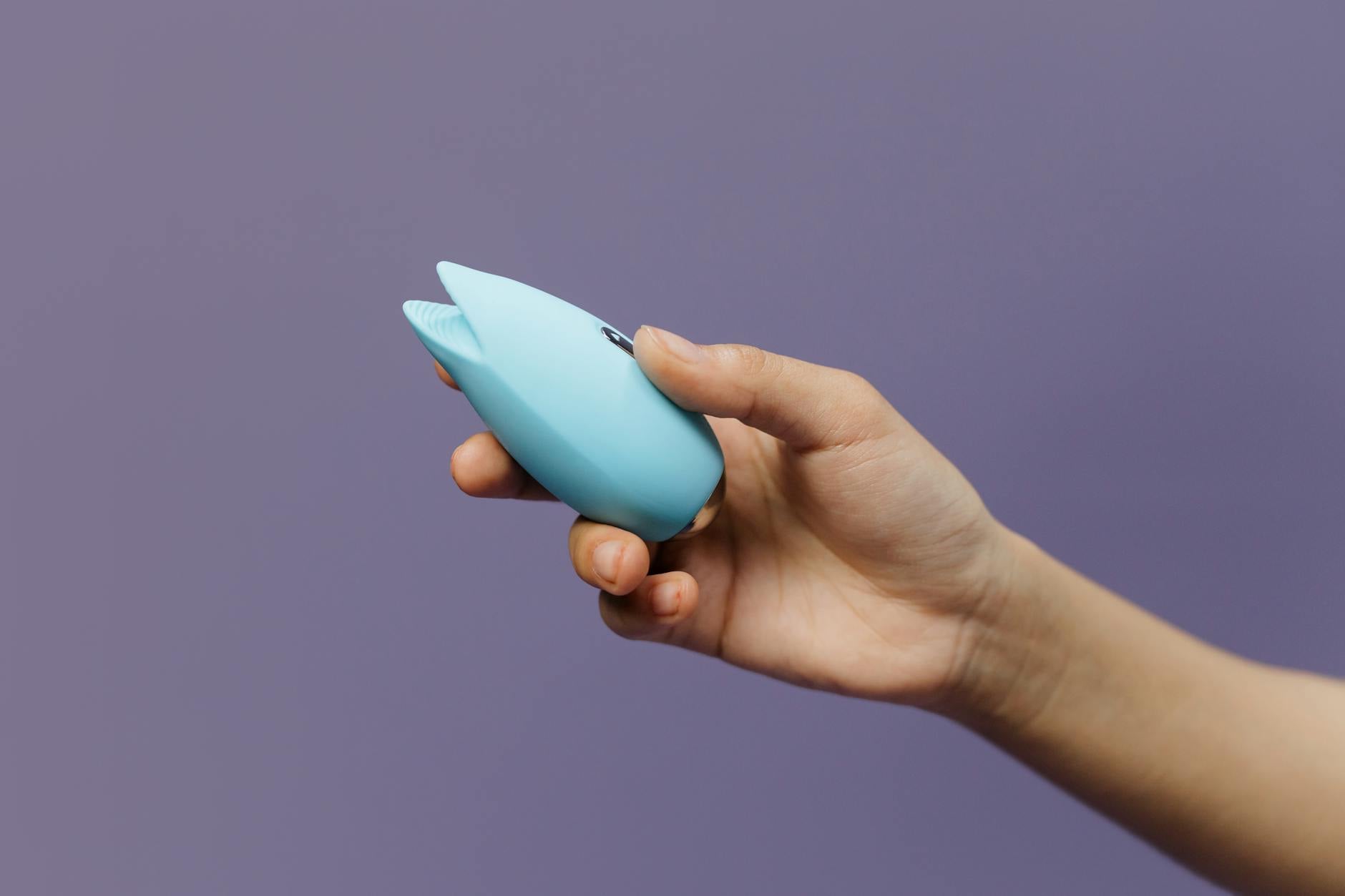
Here's what I see clinically: people with endometriosis often feel like their bodies have betrayed them during sex. The inflammation, the adhesions, the unpredictable pelvic pain. It makes sense to pull back. But the right tools and approach can help you reclaim pleasure without triggering flares. A lemon clitoral vibrator, specifically one that uses suction rather than traditional buzzing, often works better for this situation than conventional vibrators.
How endometriosis actually affects arousal and orgasm
Endometriosis is inflammatory tissue growing outside the uterus. During arousal, blood flow increases to the pelvic region. That's wonderful for most people. For those with endo, increased blood flow to inflamed tissue can mean cramping, sharp pain, or a dull ache that lingers for hours.
But here's the thing they don't always tell you: the clitoris itself usually isn't directly affected by endometriosis lesions. Your ability to experience pleasure in your clitoris, neurologically, remains intact. The issue is getting there without triggering the surrounding inflammation.
Many people with endometriosis also experience secondary vaginismus. Your pelvic floor learns to tense up preemptively to protect itself from pain. This tension can make penetrative sex harder and can actually block the relaxation that leads to orgasm.
Why suction feels different (and often better) than vibration
Traditional vibrators rely on rapid back-and-forth movement. That motion travels through the tissue and can stimulate inflamed areas you're trying to avoid. A lemon vibrator works via gentle suction and pulsing. It creates a seal and stimulates nerves through pressure changes rather than mechanical vibration.
For people with pelvic floor tension or endometriosis inflammation, that distinction is huge. Suction allows for sustained pleasure without the micro-movements that can irritate surrounding tissue. You get intense clitoral stimulation without the whole-pelvic-region ripple effect.
I've had clients describe it this way: "It feels like the pleasure is concentrated where I want it, not spreading everywhere." That's the suction advantage.
Starting with the lemon clitoral vibrator when you have endo
First, timing matters. Use your lemon vibrator when you're least likely to be in a flare. For many people that's the first week after their period ends. Track your own pattern. If you notice you always hurt more around ovulation, plan around that.
Second, start with the lowest settings. The Lem offers multiple intensity levels. Begin at 1 or 2. Your nervous system has been in protection mode. Let it feel safe. You can build intensity later. Many people with endo find they actually prefer lower, more sustained patterns over high-intensity pulses.
Third, use plenty of lubrication. Water-based lube is your friend. It reduces friction and makes the experience more comfortable. It's not a sign of dysfunction; it's smart self-care.
Patterns and techniques that usually work
The patterns matter more than the intensity when you have endometriosis. Here's what tends to work:
Steady pulse over rapid buzz. If your lemon vibrator has multiple patterns, try the steady pulsing modes before the rapid ones. Pulse creates a rhythm your nervous system can follow. Rapid vibration can feel chaotic and actually trigger tension.
Sustained contact without pressure. Keep the vibrator in place. Don't press hard. Light contact with suction is plenty. Hard pressure can stimulate deeply and trigger cramping.
Shorter sessions, multiple times. Instead of one 20-minute session, try three 5-minute sessions spread through the week. This prevents sensitization and gives your body time to integrate the experience without exhaustion.
Paired with breathing. Use your lemon vibrator during slow, deep breathing. Exhales especially help relax your pelvic floor. Breath work is not woo. It's neurology. Your parasympathetic nervous system activates on the exhale.
What pain means (and when to stop)
Honestly, this is where communication with your body matters most. There's a difference between mild discomfort and pain that signals harm.
Mild discomfort might feel like a gentle ache or sensitivity. It's manageable and usually fades quickly after. That's often okay to work through with slower patterns and breathing.
Sharp pain, sudden cramping, or pain that doesn't ease when you stop. That's your signal to pause. Your body is telling you something is inflamed right now. Stop, rest, and try again another time.
I tell my clients: if you feel worse the next day, you went too far. Pleasure should feel good during and after. If it triggers a flare, it's not the right tool or timing.
The mental piece (which is honestly half the battle)
Endometriosis is a chronic pain condition. That shapes how you relate to your body. Many people develop anxiety around sex because they're bracing for pain.
Using a lemon vibrator (or any tool) for pleasure after endo means slowly rebuilding trust with your body. Start small. Expect it to feel awkward at first. Pleasure after pain doesn't always feel straightforward. It can feel weird, even mechanical, while your nervous system learns it's safe again.
This is where solo play becomes valuable. No performance pressure. No partner waiting. Just you, your body, and your lemon clitoral vibrator learning each other's rhythm again.
If you're in a relationship, talking about this matters too. Your partner doesn't need to be present for you to use your vibrator. You deserve solo pleasure. But if they are present, they need to understand you might need to pause, that you're not rejecting them, that endometriosis is a third party in the room and sometimes you need to manage it.
When to see a specialist
If penetration is consistently painful even outside of flares, pelvic floor physical therapy is worth trying. A PT trained in endo can help your pelvic floor learn to relax again. It's legitimate medical care, not optional.
If pleasure has completely disappeared and isn't returning after three months of trying, mention it to your gynecologist. Sometimes endo flares are managed with different medications. Sometimes it's a sign your current treatment plan needs adjusting.
If you're using your lemon vibrator and consistently triggering flares, a pain specialist or endo-trained gynecologist can help you figure out what's happening. It might not be the vibrator. It might be timing. It might be that you need to address inflammation more aggressively first.
The bigger picture
Your pleasure matters. Endometriosis is real, and it's a legitimate barrier to intimacy. But it's not a permanent barrier. Many people with endo reclaim wild, satisfying orgasms using approaches tailored to how their body actually works.
A lemon vibrator is one tool. It's not magic. But for many people with endometriosis, the combination of suction-based stimulation, low intensity, pattern variety, and solo control creates space for pleasure that felt lost.
Start small. Pay attention to your body. Trust what it tells you. And know that rebuilding pleasure after chronic pain is possible.
FAQ: Lemon Vibrators and Endometriosis
Can you use a lemon vibrator if you're in an endometriosis flare?
No, not usually. If you're actively cramping or experiencing pelvic pain, that's your signal to rest. Using a vibrator during a flare can intensify inflammation. Wait until the acute pain subsides (usually a few days after onset). If you're in constant pain, your endo may need better medical management before pleasure tools make sense.
Will using a lemon vibrator make endometriosis worse?
Not if you use it thoughtfully. The risk isn't the vibrator itself. It's using it at the wrong intensity, wrong timing, or when your body is already inflamed. If you start small, use low patterns, and stop if you feel pain, you're unlikely to trigger a flare. Pay attention to how you feel the next day. That's your real feedback loop.
Is suction actually better than vibration for endometriosis?
For most people with endo, yes. Suction allows stimulation without the full-pelvic-region vibration that can agitate inflamed tissue. That said, everyone's body is different. Some people find they tolerate gentle vibration fine. Start with suction (like the Lem), and if that feels good, you've found your tool. If it doesn't, traditional vibrators might work for you.
How often is safe to use a lemon vibrator with endometriosis?
Start with once or twice a week. See how your body responds. If you feel good the next day, you can increase frequency. Some people work up to using it a few times a week. Others find they prefer occasional use. There's no universal "safe" frequency. Your body will tell you.
Should you tell your partner you're using a vibrator because of endometriosis?
That depends on your relationship and what you're comfortable with. If you're in a committed partnership and they're part of your intimate life, yes, mentioning it can help them understand your body better. Frame it as something that helps you feel good, not something they're failing at. "I'm using this to rebuild pleasure after endo" is different from "I need this because you don't turn me on." One is collaboration. The other creates defensiveness.
Can a lemon vibrator help with endometriosis-related vaginismus?
Possibly, but cautiously. Vaginismus is tension, often protective. A vibrator that's purely external (like a lemon clitoral vibrator) can help you experience pleasure without triggering the defensive contraction. That success can eventually help your nervous system learn that penetration is safe. But if the vaginismus is severe, pelvic floor physical therapy is usually needed first.
Next steps
If endometriosis has dimmed your pleasure, you're not broken. Your nervous system is protecting you. That's actually working as designed.
Reclaiming pleasure means working with your body, not against it. A lemon clitoral vibrator, used thoughtfully, can be part of that process. Start low. Go slow. Listen to what your body tells you.
If you're struggling with how pleasure and chronic pain intersect, or you're unsure how to talk to a partner about this, I'm here. Reach out at /contact.
Your pleasure matters. Your body is worth the attention.