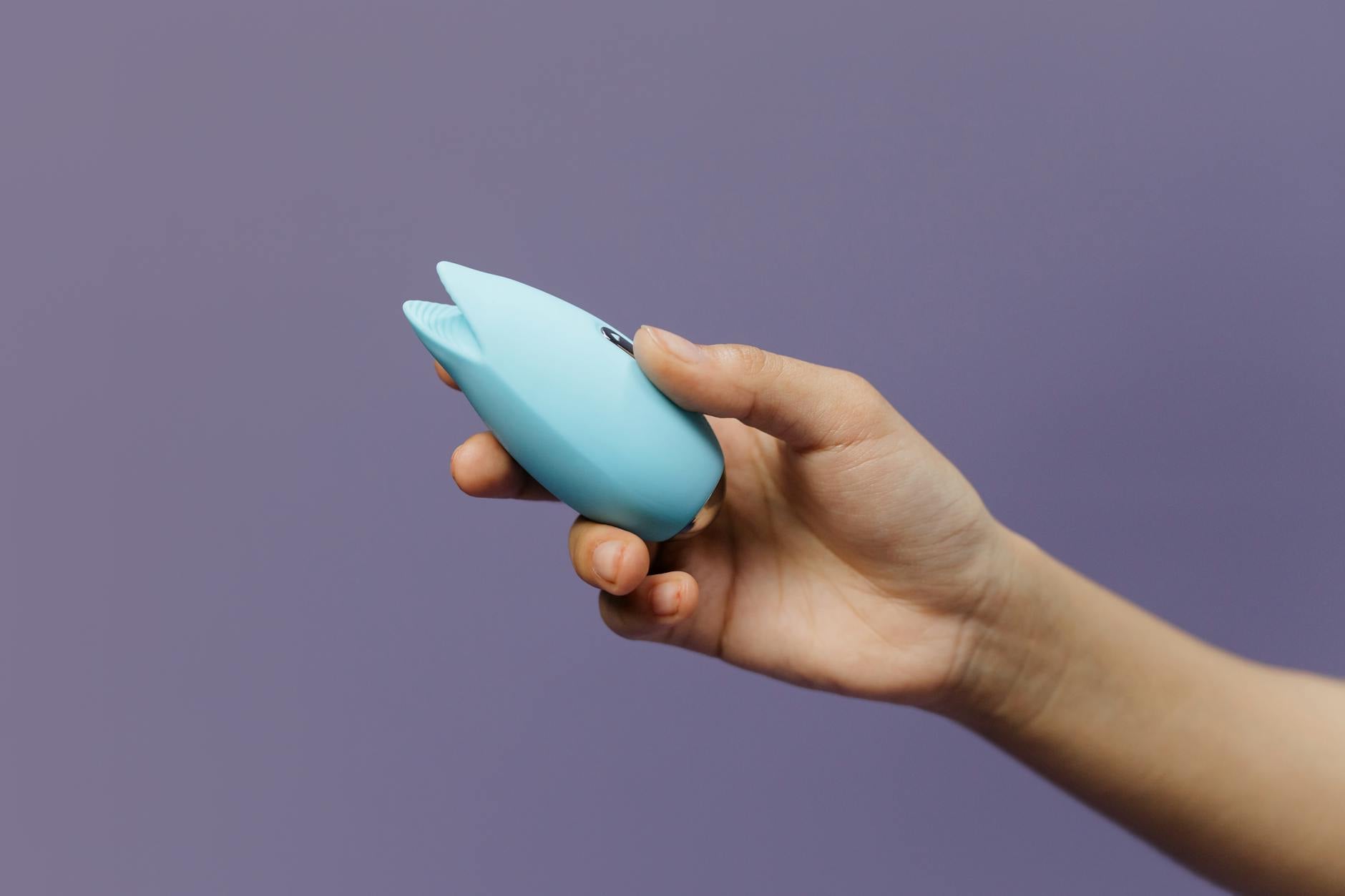
Let's start with what this actually feels like
You're in bed. Your partner is there. The physical setup for sex exists. But somewhere between desire and touch, you've mentally checked out. You're going through the motions. Your body responds, maybe, but your mind is elsewhere. This isn't about low libido or relationship collapse. It's about presence.
Emotional disconnection during sex is wildly common, and it's not what most people think it is. It's not always about the relationship. Sometimes it's grief, work stress, dissociation, or just the weight of being human in a demanding world. And here's the thing nobody tells you: a lemon vibrator can actually help you come back to yourself.
Why presence matters more than motion
Research on sexual satisfaction shows something counterintuitive. The quality of the experience depends more on whether you're actually present than on what's happening physically. When you're emotionally absent, your nervous system doesn't register pleasure the same way. It's like watching a movie while scrolling your phone. The movie is still there, but you're not really experiencing it.
Using a lemon clitoral vibrator intentionally can serve as an anchor to the present moment. The sensation gives your brain something to focus on that isn't the stress you've been carrying. It's not magic. It's neurobiology. Focused pleasure requires attention, and attention is the bridge back to connection.
How a lemon vibrator helps you recenter
Unlike partnered touch, which can feel obligatory when you're disconnected, using a lemon vibrator is purely for you. This shift matters psychologically. You're not performing for anyone. You're not managing someone else's experience. You're just feeling.
Start alone, before partnered sex even happens. Spend 10 to 15 minutes with yourself and a lemon vibrator at a low intensity setting. Pay attention to what you're noticing: the weight of the device, the pattern against your skin, how your breath changes. This isn't foreplay. It's practice in presence.
When you're used to being checked out, reconnecting to sensation takes active work. The lemon's suction-based stimulation is gentler than vibration alone, which means you can feel the nuance. You're not getting numbed out by intensity. You're actually tuning in.
Bringing the lemon into partnered sex
Once you've practiced presence alone, using a lemon vibrator during sex with a partner becomes easier. But here's the crucial part: communicate about it beforehand, not during. Tell your partner that you're using this tool to help you be more present, not because something's wrong with them or the relationship.
Many partners actually find this reassuring. It takes pressure off them to "fix" your disconnection through technique. They can relax into their own experience while you're actively reconnecting to pleasure.
Start by using the lemon vibrator while your partner focuses on a different kind of touch. If they're inside you, you're using the lemon on your clitoris. If you're receiving oral, you're using the lemon on your inner labia or wherever else feels good. The point is dividing stimulation types so your brain has space to focus.
Keep the intensity at a medium level at first, not maximum. When you're emotionally distant, jumping straight to high intensity can feel jarring. You're trying to land back in your body, not blast out of it.
The role of rhythm and pattern
Lemon vibrators typically come with multiple patterns. When you're emotionally disconnected, a steady rhythm works better than constantly changing patterns. Your brain needs something consistent to lock onto. Use pattern one or two, stay with it for at least five minutes, and let your body adjust to that sensation.
The steadiness is the point. It tells your nervous system that it's safe to relax into feeling. Variation can come later, once you're actually present.
Talking to your partner about what's actually happening
The physical tool matters. The conversation matters more. Emotional disconnection during sex usually has nothing to do with attraction and everything to do with what's happening in the rest of your life.
Before or after sex, tell your partner specifically what you've been carrying: "I've been stressed about work and I haven't been able to shut that off in the bedroom." Not "I'm not attracted to you." Not "Sex doesn't feel good anymore." The actual thing.
Good partners want to understand. And when they understand it's not about them, they can actually help. That might mean changing the time of day you have sex, or building in more non-sexual touch first, or having them be quieter so you have space to listen to your own body.
When disconnection signals something deeper
If emotional disconnection is happening consistently, even when stress is manageable, it's worth looking at the relationship itself. A lemon vibrator is a tool for reconnection, not a fix for a fundamentally unmet partnership.
If you're feeling unsafe, unheard, or chronically unseen by your partner, no amount of solo pleasure practice will solve that during partnered sex. That's a conversation worth having with a therapist or a couples counselor.
But if the disconnection is situational, temporary, or tied to external stress, using a lemon clitoral vibrator as a deliberate practice in presence can genuinely rewire how you experience sex. You're training your brain and body to stay in the room.
Building presence as a habit
The more you practice presence alone, the easier it becomes during partnered sex. Start with those 10 to 15 minute solo sessions. Use your lemon vibrator. Notice three things: what you feel physically, what your breath is doing, and what your mind wants to do (without judgment).
Do this twice a week for a few weeks. You're building a neural pathway toward presence. It's not instant, and it's not something a toy alone can give you. But it's something you can practice.
When you bring that practice into partnered sex, the vibrator becomes a reminder to come back to yourself. A signal that says, "I'm here now. I'm in my body. I'm feeling this."
That shift from absent to present is what changes the experience.
Common questions about presence and pleasure
Can using a lemon vibrator alone make partnered sex feel disconnected by comparison?
Actually, the opposite often happens. When you know what you feel like when you're present alone, you recognize when you're drifting during partnered sex and can bring yourself back. You have a reference point.
What if my partner feels threatened by me using a toy during sex?
That's worth exploring together. Sometimes partners worry that toys mean they're not enough. The real conversation is about what you both need to feel connected. A lemon vibrator isn't a replacement. It's an addition that can actually deepen partnered sensation if you frame it that way.
How long does it take to feel more present?
Most people notice a shift within two to three weeks of regular solo practice. But emotional presence isn't linear. You might feel connected one day and drifting the next, especially if life gets stressful again. The tool is there when you need to anchor back.
Is feeling disconnected during sex a sign my relationship is failing?
Not necessarily. It's a sign you're not present. The reason you're not present could be the relationship, or it could be your job, your family, your health, or just being overwhelmed. The first step is figuring out where your mind actually is.
Can I use a lemon vibrator if I'm still grieving a past relationship?
Yes, and it might help. Grief can make pleasure feel wrong or guilty. Using a tool intentionally, alone, can help you practice feeling okay with your own sensation again. It's gentle and non-judgmental.
What intensity should I use if emotional disconnection makes sensation feel muted?
Start low to medium. When you're emotionally checked out, high intensity can feel overstimulating and push you further away from presence. You want something that brings you back gently, not something that overwhelms.
The bigger picture
Emotional disconnection during sex isn't a flaw in you. It's a signal that something needs attention, whether that's your stress level, your relationship dynamics, or your own capacity to be present in the moment.
A lemon vibrator can be part of the solution. It gives you a tangible way to practice presence, to come back to your body, and to experience pleasure on your own terms. And when you practice that alone, it becomes easier to access in partnered sex too.
The goal isn't to use a toy as a band-aid. It's to use it as a training ground. For presence. For feeling. For coming home to yourself, even when the rest of your life is chaotic.
If you want to go deeper into rebuilding emotional intimacy with a partner, consider exploring how communication changes the experience. How to use a lemon vibrator when exploring toys with a new partner walks through that conversation. And if stress is the main culprit, how to use a lemon vibrator when you feel disconnected from pleasure during stress offers more targeted strategies.