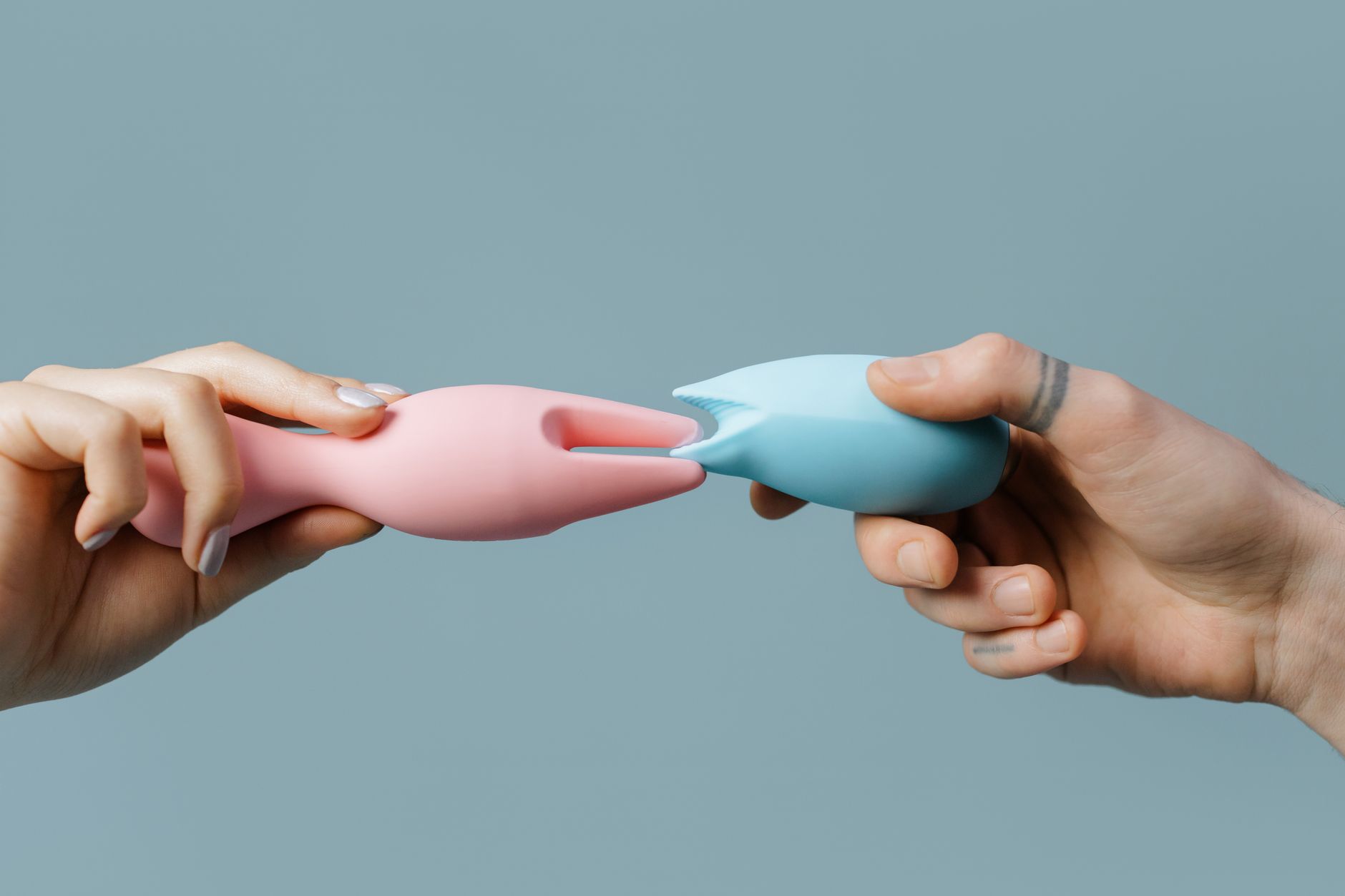
When numbness replaces desire
Let's be real. Depression and chronic stress don't just tire you out. They literally rewire your nervous system's ability to feel pleasure. It's not laziness or lack of attraction. It's neurobiology. Your brain deprioritizes arousal when it's running on fumes, and sensation gets muted like someone turned down the volume on your body.
Then comes the guilt. You think you "should" still want sex, that your partner deserves a responsive you, that something is broken. None of that is true. Your brain is protecting itself the only way it knows how. The good news: reconnecting doesn't require willpower or more pressure. It requires a different strategy.
A lemon vibrator or other clitoral vibrator can be that strategy. Not as a fix. As a tool to gently signal your nervous system that it's safe to feel again.
How stress and depression numb sensation
When you're under chronic stress or dealing with depression, your sympathetic nervous system stays activated. That's the "fight or flight" response. Your body thinks it's still in danger, so it pulls resources away from pleasure and directs them toward survival. Cortisol and adrenaline rise. Blood flow to the clitoris decreases. Arousal becomes nearly impossible.
Depression adds another layer. It dampens dopamine, the neurotransmitter responsible for desire and reward. Your brain literally stops registering things as pleasurable, even things that used to feel amazing. Orgasms feel distant or nonexistent. Touch feels like touch, but empty of sensation. Sex becomes another obligation you're failing at.
The irony is brutal. Pleasure would actually help. Arousal and orgasm activate the parasympathetic nervous system (the "rest and digest" response), which calms everything down. But when you're numb, it's hard to access that cycle at all.
That's where gentle, consistent external stimulation comes in. A lemon clitoral vibrator bypasses willpower entirely.
Why external vibration helps when sensation feels absent
Your clitoris contains about 8,000 nerve endings. When pleasure feels numb, those nerves aren't broken. They're just not getting the signal that it's time to wake up. Vibration provides a strong, consistent, predictable input that your nervous system can actually register, even when it's shut down.
Unlike partner touch, which can feel loaded with expectation or need, vibration is neutral. It doesn't require you to perform, respond, or prove anything. You can experience stimulation without the pressure that often accompanies partnered sex when you're depressed. There's no watching for their reaction. No guilt about being unresponsive. Just sensation, or the beginning of it.
For people experiencing depression or severe stress, this matters enormously. A lemon vibrator gives you a chance to rebuild the pathway from sensation to arousal without judgment.
Starting small: the reset approach
Don't push toward orgasm. That's the worst possible goal when you're numb. Instead, aim for something smaller: just noticing sensation.
Choose a time when you're not under immediate pressure. Not when your partner is waiting in the bedroom. Not when you feel obligated. Honestly? The shower or bath works beautifully, or lying alone in bed on a quiet afternoon. Give yourself 10 to 15 minutes with zero expectations.
Start your lemon vibrator on the lowest setting. The Lem works particularly well here because even its gentlest pattern provides enough input to register through numbness. Not intense enough to feel overwhelming, but distinct enough that your nervous system notices something is happening.
Place it gently on your clitoris. You're not chasing sensation yet. You're just observing what you can feel. Some days that might be "almost nothing." Other days a faint warmth. Some days actual pleasure. All of those are wins at this stage.
The goal is to prove to your body that it's safe to feel. That takes repetition. That takes patience.
Building the habit without force
Do this 2-3 times a week, same time if possible. Your nervous system responds to regularity and predictability. When it knows a gentle, pleasure-focused moment is coming, it starts to anticipate it.
Keep your lemon vibrator accessible. Not hidden away, which makes it feel shameful. Not with your partner's toys, which adds pressure. Just nearby, normalized. The less friction there is to using it, the more likely you'll actually show up.
After 1-2 weeks of this ultra-gentle approach, you can start experimenting. Move the vibrator slightly. Try a slightly higher pattern. See if arousal builds. Notice what your body responds to. You're not trying to come. You're trying to remember what pleasure even feels like.
That rebuilding takes time. You didn't lose sensation overnight, and you won't regain it overnight either. But you'll start to feel subtle shifts. A moment of genuine warmth instead of numbness. Your body contracting slightly. A thought that lingers on the sensation instead of slipping away. These are the first signs your nervous system is waking up.
When numbness persists: knowing when to pause
If after 3-4 weeks of gentle, pressure-free vibrator use you're still feeling completely numb and disconnected, depression might need clinical support before pleasure comes back. That's not a failure of the tool. That's a sign your brain needs help resetting its baseline first.
Talk to a therapist or doctor. Depression is treatable. Medication, talk therapy, or a combination of both can restore your capacity for pleasure more effectively than any vibrator can. The vibrator is a support, not a substitute for actual treatment.
And if numbness is paired with things like intrusive thoughts, persistent guilt, or inability to get out of bed, please reach out. Pleasure is part of recovery, but it's not the only part you need.
Rebuilding with a partner (carefully)
If you have a partner, they might eventually want to be part of this. That's okay. But timing and communication matter.
Let them know what you're doing. "I'm using my vibrator to help reconnect with my body while I'm dealing with depression. I need this to feel low-pressure and solo for now." Most partners understand. Some might feel hurt, and that's worth a conversation. This isn't about them. It's about your nervous system healing.
Once you start feeling sensation again, you might invite them in. Maybe they hold you while you use your vibrator. Maybe they watch. Maybe it stays solo for a long time. There's no timeline. You're the expert on your own body.
The key is that your partner isn't the one trying to make you feel pleasure. That's too much pressure when you're already struggling. But they can be present while you help yourself. That's a different dynamic entirely.
The permission you actually need
Here's what I want to be clear about: pleasure when you're depressed or stressed isn't selfish. It's medicine. Your nervous system needs it. Your body deserves to remember what feeling good feels like, even if everything else feels hard right now.
Using a lemon vibrator isn't laziness or avoidance. It's a tool for rebuilding connection with your body when that connection feels severed. And doing it on your own terms, without anyone watching or waiting, is actually the best possible approach for your healing.
Start small. Show up consistently. Notice what you can feel, even if it's barely anything. And be patient with yourself. You're not trying to feel amazing. You're trying to feel anything at all. Everything after that is progress.
People also ask
Is it normal to feel nothing when using a vibrator during depression?
Completely normal. Depression specifically dampens dopamine, the neurotransmitter that makes things feel rewarding or pleasurable. Your clitoris isn't broken, and you're not broken. Your brain is in protect mode. A lemon clitoral vibrator can help signal your nervous system that it's safe to feel again, but it takes time and consistency. If numbness persists after several weeks of gentle use, professional support like therapy or medication is worth exploring alongside vibrator use.
How long does it take to feel pleasure again after depression?
That depends on depression's severity and what support you have in place. If you're using a vibrator alone without treatment, changes might take weeks or months. If you're in therapy or on medication, you might notice shifts faster because you're addressing the root cause. Start with realistic expectations: the first goal isn't orgasm, it's noticing any sensation at all. Then arousal. Then pleasure. Then orgasm. Each step builds on the last.
Can a lemon vibrator help with stress-related numbness specifically?
Yes, but differently than with depression. Stress keeps your nervous system in high alert, which suppresses arousal and sensation. A gentle, predictable vibrator can help activate your parasympathetic nervous system (the calming response). The repetition signals safety. Over time, regular use actually trains your nervous system to recognize that pleasure moments are safe, which can reduce overall stress levels. This works best paired with other stress management like therapy, exercise, or meditation.
Should I use my vibrator if I'm on antidepressants that affect sensation?
Many antidepressants, especially SSRIs, can dampen arousal and orgasm as a side effect. A vibrator can sometimes help because it provides stronger, more direct stimulation that bypasses the muted sensation. But if numbness is a medication side effect, talk to your prescriber first. Sometimes switching medications or adjusting timing helps. Don't stop taking medication to fix this. Instead, ask your doctor if a vibrator or other approaches might help while you're adjusting to the medication.
Is it better to use a vibrator alone or with a partner when dealing with depression-related numbness?
Alone, at least initially. When you're depressed, partnered sex often comes loaded with pressure, guilt, or performance anxiety. That's the opposite of what your nervous system needs to heal. Solo exploration gives you complete freedom to experience sensation without watching for your partner's reaction or worrying you're not responding "right." Once you start feeling pleasure again, you can gradually invite your partner in if you want to. Some people do. Some prefer to keep it solo. Both are fine.
What should I do if vibrator use doesn't help after a few weeks?
That's your signal to bring in professional support. A vibrator is a tool for reconnection, not a treatment for depression itself. If numbness isn't lifting after 3-4 weeks of consistent, pressure-free vibrator use, you likely need therapy, medication, or both. Depression is highly treatable. A lemon clitoral vibrator can support that treatment, but it can't replace it. Reach out to a therapist, counselor, or your doctor. Your brain and body deserve actual care, not just a workaround.
Resources
If you're experiencing depression or chronic stress, these organizations offer support:
- National Alliance on Mental Illness (NAMI): nami.org
- Crisis Text Line: Text HOME to 741741
- SAMHSA National Helpline: 1-800-662-4357 (free, confidential, 24/7)
For therapy specific to relationship and intimacy issues during depression, look for a therapist trained in sex-positive therapy or relationship counseling. Your pleasure matters, and so does your mental health.