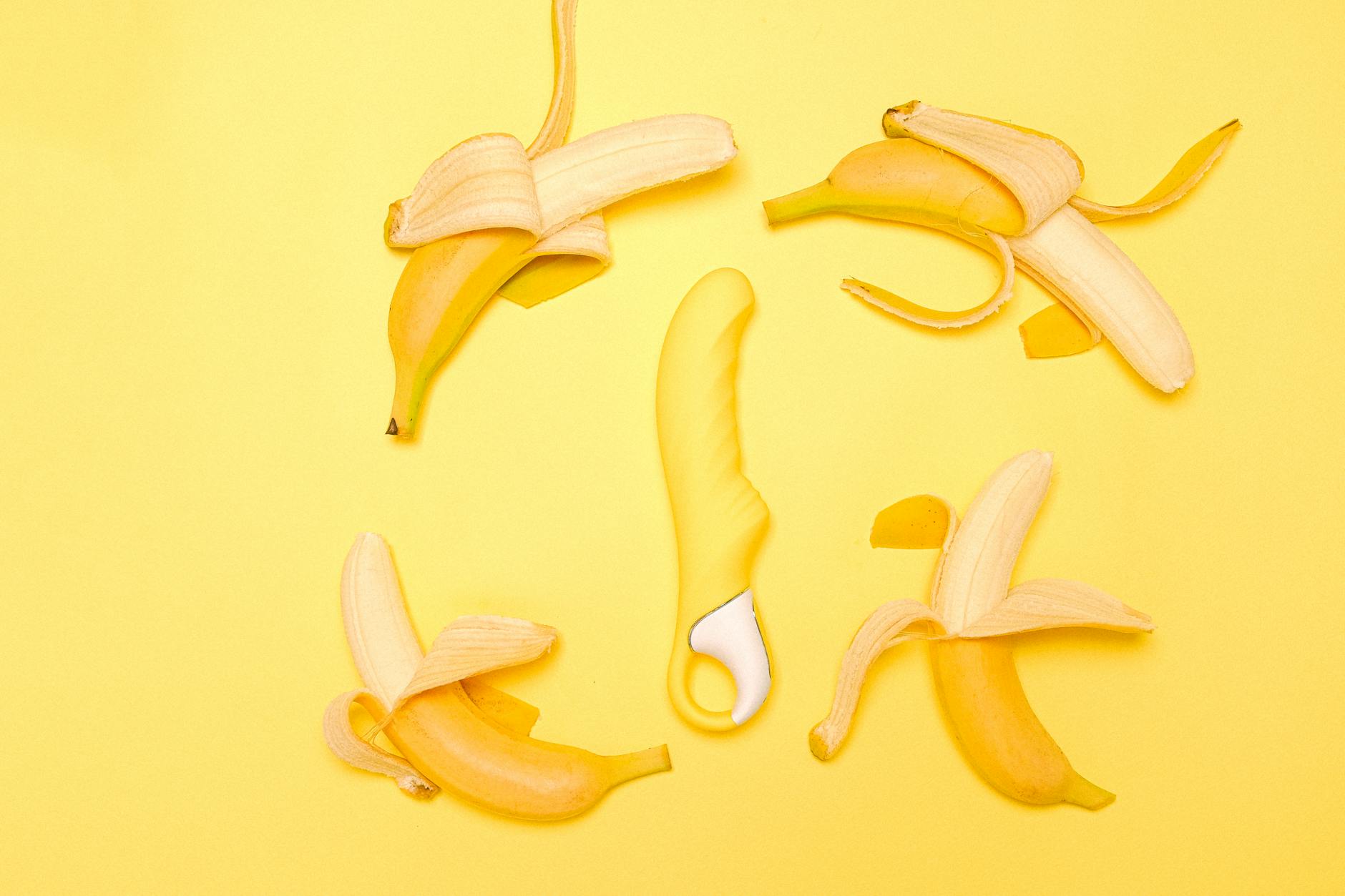
Let's talk about intensity without the guesswork
Here's what nobody tells you: the "best" vibrator intensity isn't the strongest one. It's the one that actually works for your nervous system, your tissue sensitivity, your arousal stage, and what you're trying to feel. Most people spend months thinking they hate vibrators when they're actually just using the wrong setting.
I've worked with countless clients who abandoned toys after one bad experience, only to discover later that they needed something slower, or gentler, or that they'd started at full speed instead of building up. Intensity isn't a fixed thing. It changes based on your body, your cycle, your stress levels, and what you're in the mood for.
The intensity spectrum isn't linear
When people think about vibrator intensity, they imagine a line from weak to strong. That's not quite right. What's actually happening is more complex: frequency (how many vibrations per second), amplitude (how much the vibrator moves), and pattern (whether it's steady or pulsing) all create different sensations. A lemon vibrator running at a lower frequency with deep amplitude might feel more intense than something buzzing faster but shallower.
Additionally, your tissue sensitivity changes throughout your cycle. During the follicular phase (before ovulation), your clitoris is often less sensitive and benefits from stronger stimulation. During the luteal phase, sensitivity tends to increase, meaning the same setting might feel too much. That's not your imagination. That's biology.
Also worth knowing: the first time you use an intensity setting, it feels stronger than it does the fifth time. Your nervous system adapts. This is completely normal and doesn't mean you're becoming numb or broken. It means your body is learning.
How to actually find your baseline
Start lower than you think you need to. This isn't because you're fragile. It's because high intensity teaches you nothing. At low intensity, you can feel exactly what's happening. You can notice where sensation concentrates, how your arousal builds, and what patterns your body actually likes.
When you jump straight to high intensity, you're skipping all that information. You're also more likely to feel uncomfortable, chalk it up to "this isn't for me," and stop. Start at setting one or two and spend at least five minutes there, alone, no pressure. Don't rush to see if you can orgasm. Just notice what you feel.
Once low intensity feels predictable and you know what to expect, move to the next level. Give yourself time at each step. Three to five uses at the same setting is usually enough to understand it, then move up. This sounds slow, and it is. It's also the fastest way to actually figure out what you like, because you're gathering real data instead of just guessing.
Intensity changes mid-session
Here's a practical thing that changes everything: you don't have to use the same intensity for the whole experience. In fact, most people don't. Start gentle, then increase as arousal builds. Most of my clients find they need much lower intensity in the first five or ten minutes, then gradually increase to where their body is actually responsive.
This means you're not locked into one setting for the whole session. You're working with your body's changing responsiveness. If you're using a lemon vibrator with multiple settings, this becomes your superpower. Low intensity for exploring and warming up, medium for building arousal, higher for the finish if that's what you want.
Some people find they prefer staying lower throughout, and that's equally valid. The point is having the information to choose, not guessing.
What intensity actually feels like
Low intensity usually feels like a gentle buzz or flutter. It's focused, controlled, and you can feel individual vibrations. This is what you use to explore, to figure out what patterns your clitoris responds to, and to warm up your nervous system. Low intensity is dramatically underrated because people assume it can't lead to orgasm. It absolutely can. It just takes longer, and most importantly, you're present for the whole experience instead of holding on for the ride.
Medium intensity is where most people end up living once they understand their baseline. It's strong enough to build arousal quickly without being overwhelming. It feels more like a constant hum than individual vibrations. For many people, medium intensity is the "Goldilocks" zone. Not exhausting, not frustratingly gentle, just right.
High intensity is the full-power setting. It's genuinely strong and can feel intense or even uncomfortable if you're not properly aroused first. High intensity is useful if you're short on time, if you're struggling to feel sensation (after antidepressants, for example, or after your clitoral sensitivity has shifted), or if you're just in the mood for something more direct. But high intensity alone, without warming up first, is often counterproductive.
The variables that change what you need
Your personal baseline shifts depending on several things. Stress absolutely matters. Under stress, your nervous system is already activated, so you might need lower intensity to avoid feeling overstimulated. During relaxed, leisurely sessions, you might want to go higher.
Arousal stage is huge. When you're barely interested, low intensity won't do anything. But when you're already turned on, low intensity can feel amazing because your tissue is already engorged and responsive. Don't judge an intensity by how it feels when you're not aroused yet.
Partner dynamics change things too. If you're using a lemon vibrator during partnered play, you might prefer lower intensity because your partner is already providing stimulation. If you're flying solo, you might want higher. Context matters.
Also consider what you're recovering from. If you've taken a long break from solo play, if you're rebuilding sensation after antidepressants, or if you're working through pleasure anxiety, starting lower makes sense. Your nervous system needs to remember what pleasure feels like before it knows how to escalate. If you're frustrated because sensation feels numb, you might actually need to go higher than your baseline to wake things up.
The mistake most people make
The biggest error I see is starting too high too fast, deciding it doesn't work, and moving on. You wouldn't judge a coffee shop on the basis of one bitter espresso without sugar, right? Same principle. High intensity without proper arousal, without time to explore, without understanding your own baseline, doesn't prove the toy doesn't work. It usually proves you started in the wrong place.
The second mistake is staying at the same intensity forever because it "works." Your body changes. Your preferences change. What felt amazing at 25 might feel exhausting at 35. What felt too intense three months ago might feel just right now. Intensity isn't a permanent setting. It's worth revisiting.
How to know if you've got it right
You've found your intensity when you can actually focus on sensation instead of managing discomfort. You've found your intensity when you're curious about what comes next instead of enduring the experience. You've found your intensity when you can feel the difference between patterns, when your body responds without you forcing it, when orgasm (if that's what you're after) feels possible, not punishing.
You've definitely got it right when you actually want to do it again. Not because you feel like you should, but because your body is already looking forward to the next time. That's the signal that intensity is calibrated correctly for you.
Practical intensity recommendations by scenario
If you're returning to pleasure after a long break, start at setting one or two. Spend time there before moving up. Your nervous system needs to warm back up.
If you feel less responsive than you used to, go higher than you think you need. Don't fight numbness with a wimpy setting. Your body might need stronger input to actually register sensation.
If you're exploring with a partner for the first time, start lower. You're managing more variables (someone else's presence, emotions, attention), so lower intensity gives you more control and presence.
If you struggle with overstimulation or anxiety during sex, lower intensity usually helps. It gives your nervous system permission to relax instead of bracing.
If you're short on time, medium to high intensity helps things move faster. You're sacrificing exploration for efficiency, which is fine sometimes.
FAQs about vibrator intensity
Will using high intensity make me numb over time?
This is the fear that stops a lot of people. The honest answer: using high intensity all the time, forever, might gradually decrease sensation over time. But occasional high intensity doesn't cause permanent desensitization. Your nervous system is adaptive, not fragile. Varying your intensity, taking breaks between sessions, and mixing high and low settings keeps sensation fresh. Think of it like working out. You don't need to max out every time. Variety keeps things responsive.
Can I go straight to high intensity or do I really need to start low?
You can do whatever you want. But starting low teaches you things about your own response that jumping to high will skip. If you're confident in your baseline and know you like strong sensation, starting medium is fine. Starting super high without that information usually leads to "this doesn't work for me" and quitting. Give yourself the gift of low intensity exploration at least once.
What if low intensity does nothing for me?
That usually means either you're not aroused enough yet (spend more time warming up without the toy), you need higher intensity than you thought (move up), or the pattern matters more than the intensity (some people respond to specific rhythms regardless of power level). Try different patterns at low intensity before assuming it's useless.
How do I know when to increase intensity?
When the current setting becomes predictable and you're curious what's next, move up. You don't need to feel bored. You just need to feel ready to explore. If a setting still feels exciting after ten uses, stay there. If it's become routine and you want more oomph, increase. Listen to what your body is asking for.
Is there a "wrong" intensity I should avoid?
The only wrong intensity is one that causes pain or genuine discomfort. Intensity should feel strong, focused, sometimes intense in that good way. If it feels actually painful, stop. If it feels overwhelming but not painful, you might be at high intensity without enough arousal, so warm up more and try again at a lower setting.
Does intensity matter less if I'm using a lemon clitoral vibrator versus other toys?
Intensity matters for any toy, but lemon vibrators and other suction-style devices work differently than traditional vibrators. Suction creates a gentler, more enveloping sensation than buzzing. This means lower intensity on a lemon vibrator might feel similar to medium intensity on a regular vibrator. The principle is the same. Start lower, explore, increase as needed.
The real goal
Intensity is a tool, not a finish line. The goal isn't to reach the highest setting. The goal is to find what actually works for your body, your nervous system, and your life. That might be medium intensity. That might be low intensity with a specific pattern. That might be high intensity after proper warm-up. All of those are perfect.
Once you know your baseline, once you understand what your body actually needs, you can stop guessing. You can stop comparing yourself to what you imagine other people like. You can actually enjoy yourself.
If you're still figuring this out and want support, the team at /contact is here to chat through what might work for you.