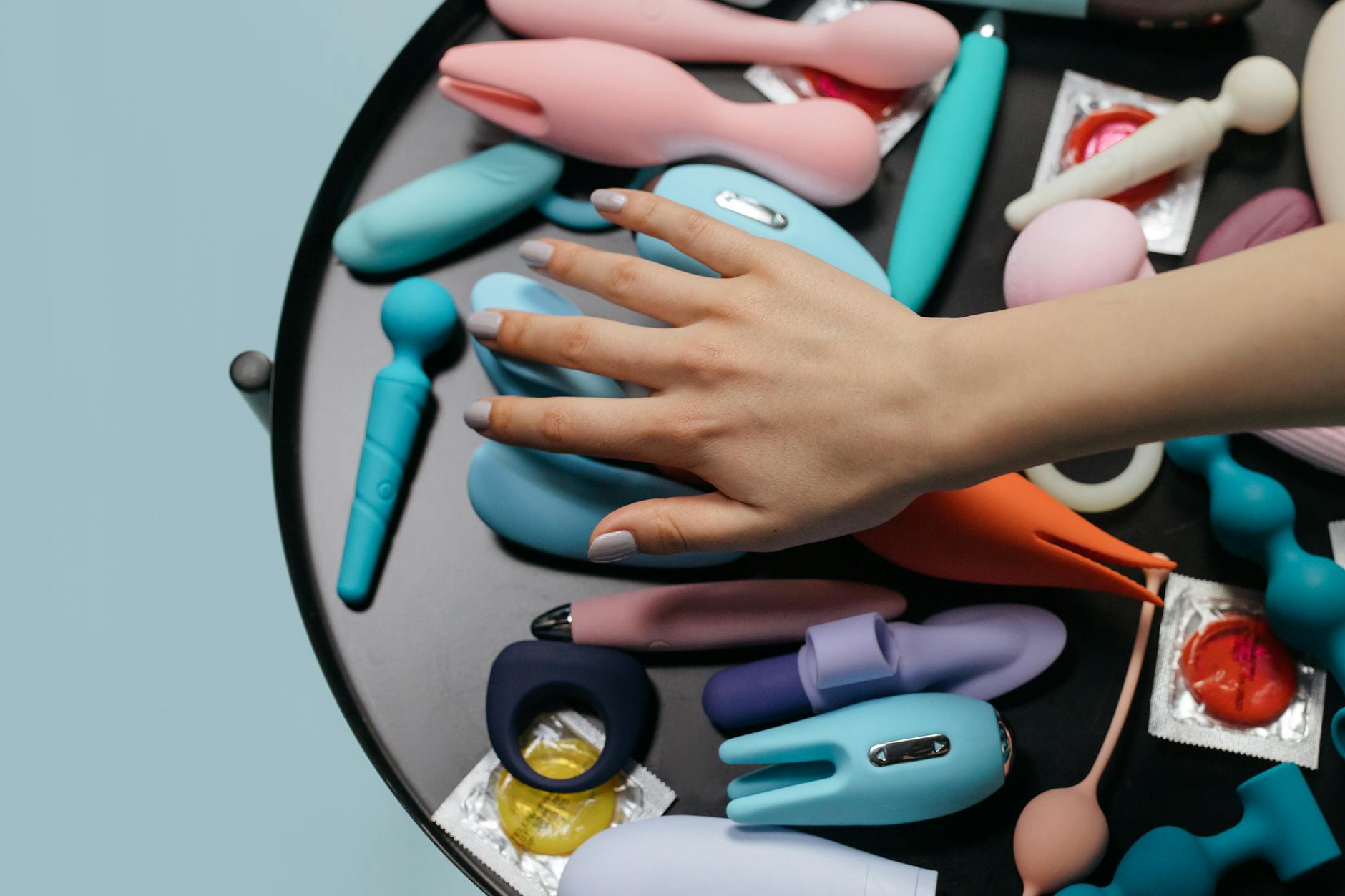
Let's be real about nerve damage and pleasure
Nerve damage changes sensation. It doesn't kill it. But most conversations about neuropathy and sex stop at the problem and never actually move to solutions. Diabetic neuropathy, chemotherapy-related nerve damage, MS-related sensory shifts, spinal issues, even Long COVID neurological effects. They all alter how your nervous system registers touch. And yes, that affects arousal and orgasm. But it also opens up a different pathway to pleasure if you know how to work with it instead of against it.
Here's what I've seen clinically: people with nerve damage often report that traditional vibrators feel either completely numb or weirdly painful. Too scattered. Too sharp. The suction mechanism in a lemon vibrator changes that equation entirely.
How nerve damage actually affects sexual response
Your clitoris is packed with nerve endings, but those nerves follow specific pathways. Damage anywhere along that route (spinal cord, peripheral nerves, diabetic nerve degeneration) means some signals get lost, delayed, or distorted. The brain still wants to feel pleasure. The body's wiring is just glitchy.
What happens is sensation becomes unpredictable. You might feel intense awareness in one spot and total numbness three millimeters away. Stimulation that worked last week might feel wrong this week. Light touch can feel unbearable. Deep pressure might register as nothing.
This is wildly frustrating. It's also completely workable once you find the right tool.
The reason lemon vibrators work differently is mechanical. A traditional vibrator uses repetitive oscillation, which requires your nerves to fire consistently at a high frequency. If your nerves are misfiring, that rapid rhythm becomes either overwhelming static or complete silence. Suction, by contrast, creates a gradual pressure change. It pulls rather than taps. That pressure wave travels differently through damaged tissue and often reconnects with nerves that vibration alone misses.
Why suction is gentler on compromised nerves
A lemon clitoral vibrator uses air-pulse suction technology. Instead of buzzing 3000 times per minute, it creates a slow, rhythmic seal and release. That translates to fewer rapid-fire signals your damaged nerves have to process. Think of it like this: vibration is someone tapping your shoulder very fast. Suction is someone squeezing and releasing. One requires constant micro-firing. The other is a gentler, more sustained sensation.
For people with neuropathy, that matters enormously. Sustained pressure often still registers when rapid stimulation becomes noise.
The suction also distributes pressure more evenly across the clitoral surface. If you have a dead zone (common with nerve damage), suction can work around it. A vibrator's focal point tends to zero in on that exact spot, which either triggers pain or registers as nothing.
Finding your settings when sensation is unpredictable
This is where patience matters. Start at the lowest setting. Seriously. Even if it feels like nothing at first.
Wait three to five minutes. Nerve damage often comes with delayed sensation. Your brain might register pressure two or three minutes after the stimulus starts. If you keep turning up the intensity looking for immediate feedback, you'll overshoot and end up in the painful zone.
Once you've given yourself time to feel baseline sensation, move to setting 2 and wait again. This isn't quick. It's also the only way to map what your specific nerve damage actually responds to.
Many of my clients with neuropathy report that mid-range settings (3 through 5 on a lemon vibrator) work best. Not the top intensity. The peak settings can overwhelm already-compromised nerves. But the middle ground often creates a sweet spot where pressure builds without becoming painful.
The psychological piece nobody talks about
Nerve damage often brings grief. Not just physical loss of sensation, but the feeling that pleasure is broken now. That you're broken. That's a real experience and it deserves acknowledgment before we talk technique.
When you've lost sensation, coming back to pleasure often requires grief and curiosity to live in the same moment. You're mourning how it used to feel while you're also exploring how it feels now. That's a lot of emotional labor happening during sex. That affects arousal whether your nerves are damaged or not.
The most practical thing you can do is separate the physical exploration from the emotional processing. If you're using a lemon vibrator, use it in a non-goal-oriented way first. Not trying to come. Just trying to feel what you feel. That takes massive pressure off and usually opens up sensation faster than if you're white-knuckling your way to an orgasm.
I also recommend checking in with a partner (if you have one) about what's happening. "I'm exploring what pleasure feels like for me now" is different than "something's wrong with me." The framing changes everything.
When to add lubrication and other supports
Nerve damage often coexists with reduced natural lubrication, especially if you're managing diabetes or other systemic conditions. Water-based lubricant becomes even more important here. It reduces friction, which means fewer pain signals competing with pleasure signals.
Also consider timing. Many people with neuropathy report that sensation is clearer at certain times of day. Some are more responsive in the morning. Others find that evening, after their body's had time to settle, works better. Track it. What seems random often follows a pattern once you pay attention.
If you've experienced trauma related to your nerve damage (which is common), that's worth processing separately from the pleasure work. A therapist who specializes in chronic illness and sexuality can be really valuable here. Pleasure and trauma live in overlapping nervous system territory.
The orgasm conversation
Orgasm with nerve damage might not look like it used to. It might be quieter. Shorter. Localized instead of full-body. Less intense. It might also surprise you by showing up in totally unexpected ways.
All of those are real orgasms. The cultural narrative that orgasm has to look a certain way is one of the most harmful things we tell people managing any kind of body change.
I've had clients with significant neuropathy report that their orgasms became more precise after they stopped chasing the old version and started learning the new one. Not a consolation prize. Actually better in ways they didn't expect.
A lemon vibrator's adjustable settings make this exploration safer than traditional toys. You can dial intensity up or down without reinventing the whole experience.
When you might need additional support
If you're managing nerve damage and finding that even at the lowest lemon vibrator setting you're getting pain signals rather than pleasure, that's worth flagging with your doctor. Sometimes nerve pain can be managed or reduced with medication adjustment. Sometimes specific therapies (physical therapy, occupational therapy focused on sensation) help rewire neural pathways.
If depression or anxiety is bundling with your physical experience (very common with chronic nerve issues), addressing that separately matters. Sometimes what feels like lost pleasure is actually depression dampening your capacity to feel. Those require different interventions.
Also, if you have a partner and sensation changes are creating friction in your intimate life, that's worth some couples work. I say this as someone who specializes in exactly this intersection. It's not a personal failure. It's a real adjustment. Getting some outside perspective can prevent resentment from building quietly in the background.
How lemon vibrators specifically help the neuropathy picture
Let me connect this back to the core mechanics. A lemon clitoral vibrator's suction technology is particularly well-suited to neuropathy because it works with your nervous system's new wiring rather than against it. The sustained pressure often reconnects sensation in ways rapid vibration can't.
The adjustable settings let you build intensity gradually, which is crucial when you're working with unpredictable nerve response. The design is focused enough that you can isolate sensation to areas that still register clearly. And the general design is quiet and discreet, which matters if anxiety is part of your neuropathy picture.
Pleasure after nerve damage is possible. Different from before, yes. But possible and worth exploring.
People Also Ask
Can you have an orgasm with diabetic neuropathy?
Yes. Sensation changes, but it doesn't disappear. Many people with diabetic neuropathy continue to have orgasms, though they might feel different or take longer to build. Suction-based stimulation like a lemon clitoral vibrator often works better than traditional vibrators because it creates sustained pressure rather than rapid oscillation. Starting at low settings and building slowly is key. If you're experiencing complete numbness, that's worth discussing with your doctor, as it sometimes signals a need for medication adjustment or additional support.
Do lemon vibrators work if you have chemotherapy-related nerve damage?
Often yes, but with the same caveat about patience and settings. Chemo neuropathy (peripheral neuropathy from cancer treatment) can be particularly unpredictable because nerve regeneration is ongoing. What doesn't work one month might work the next as nerves slowly repair themselves. A lemon vibrator's adjustability means you can keep experimenting without buying new toys. The suction approach is gentler than high-frequency vibration, which many people with chemo neuropathy find overwhelming.
Will a lemon vibrator help if I've lost all sensation down there?
Complete loss of sensation is different and often signals something that needs medical attention first. That said, many people experience what feels like total numbness when really they have sensation in specific areas only. Before assuming you have no response, spend time with a lemon vibrator at very low settings for extended periods. Sometimes sensation appears slowly and in unexpected spots. If true anesthesia persists after exploration, check with your doctor. There might be options you haven't tried yet.
How long does it take to feel something with nerve damage?
It varies wildly. Some people feel changes within minutes. Others need five to fifteen minutes for sensation to register. If you're managing neuropathy, this delayed response is normal. Don't keep turning up the intensity looking for immediate feedback. That usually leads to overstimulation. Give yourself time. Set a timer. Wait. That patience is where the actual rewiring happens.
Is it normal for pleasure to feel different or muted with nerve damage?
Completely normal. Nerve damage rewires how your brain receives and interprets sensation. Pleasure might feel muted, localized, or arrive on a slight delay. It might also feel sharper in some spots and completely absent in others. This isn't dysfunction. This is your nervous system adapting. A lemon clitoral vibrator's sustained suction often works better with this new wiring than traditional vibrators do.
Can nerve damage improve over time?
Depends on the cause. Diabetic neuropathy sometimes stabilizes or slowly improves with better blood sugar control. Chemotherapy neuropathy often gradually improves as nerves regenerate over months or years. Spinal or traumatic nerve damage is more complex. The point for pleasure is that you don't have to wait for complete nerve recovery to reclaim sensation and orgasm. Working with what you have now, using tools like lemon vibrators that complement your current nervous system, matters as much as hoping for full healing.
The bottom line
Nerve damage changes sensation. It rewrites the sexual script. It also doesn't have to erase pleasure if you approach it with patience, curiosity, and tools that work with your body's actual wiring. A lemon vibrator's suction technology often reconnects sensation in ways that traditional vibrators can't because it creates sustained pressure rather than rapid firing. Start low, wait for sensation, and build from what you actually feel, not what you used to feel. That's how you rebuild pleasure that's real and honest and yours.